
Smart technology is bringing charging to Europe’s countryside
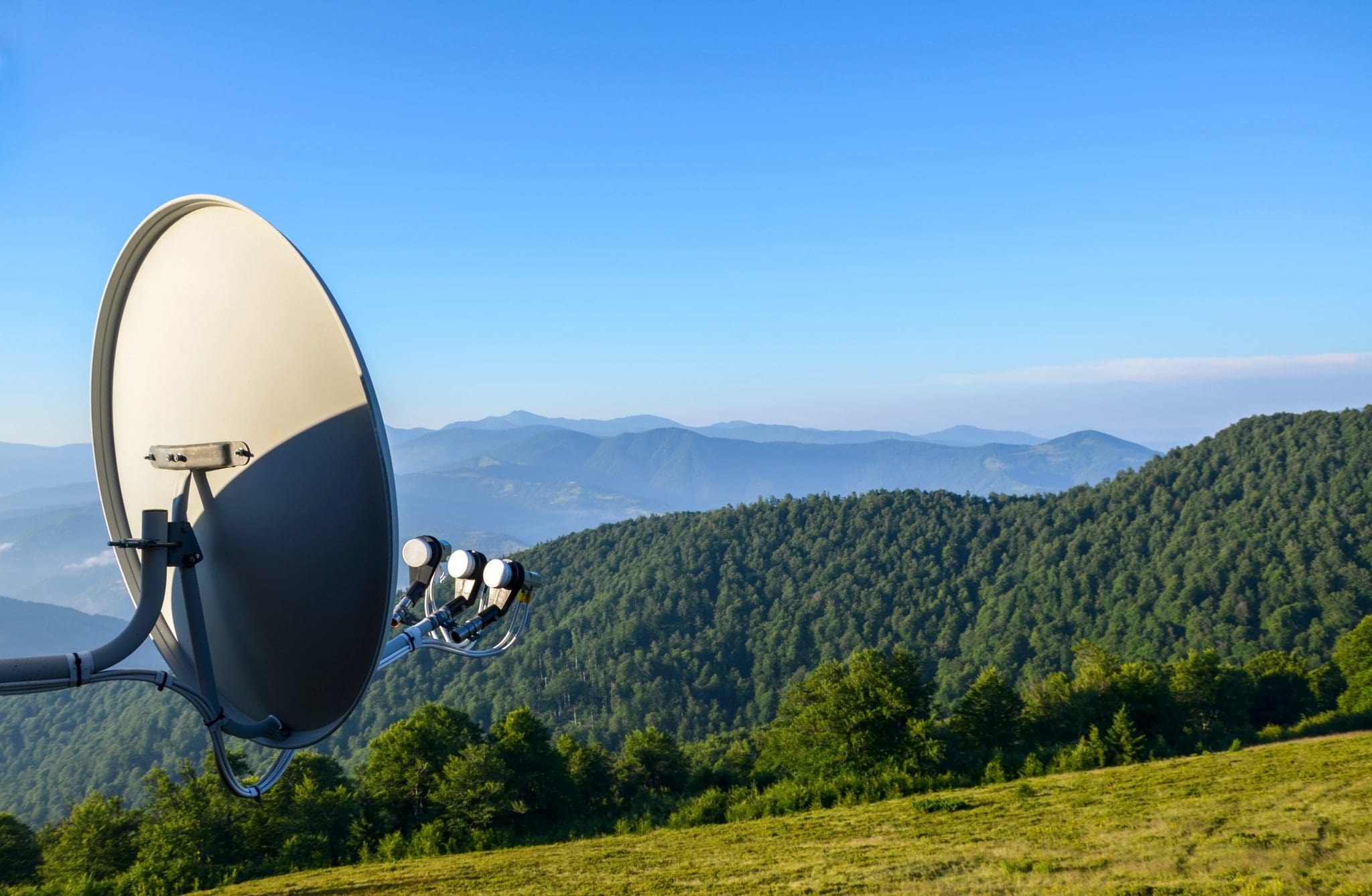
Improved connectivity is transforming everyday life in rural Europe, from safer commuting to school to cleaner energy, while supporting local economies and reducing emissions.
Getting kids ready for school on time can be stressful. The challenge is even greater in Finnish Lapland, where winters are long and snowy, and some students travel long distances by bus.
In two communities in Lapland, a school transport app developed through an EU-funded initiative called AURORAL has streamlined school bus pick-up and drop-offs, reducing morning stress for parents and making life easier for bus drivers.
Behind the app is a digital backbone developed by the AURORAL team. This shared infrastructure allows all kinds of rural services, from school buses to dairy farms to local energy plans, to plug in, securely share data, and collaborate without each community building its own system.
With the Koulukyyti app, parents in the cities of Kemi and Tornio can see at a glance whether their children aged 6 to 15 have arrived safely at school. Bus drivers receive instant alerts if a child is absent or needs to be picked up from a different address, so they can avoid unnecessary rides.
Lapland pilot project manager Seppo Ahola said the system was a clear improvement over previous methods of asking students to check off papers or send WhatsApp messages early in the morning.
“For parents, it gives them an added sense of security. For transport operators, they know exactly when their responsibility begins and ends,” Ahola explained.
Safer school management in Lapland
About 90 children in Kemi and 120 in Tornio have signed up for the app, and Ahora hopes more municipalities will follow suit. Beyond convenience and safety, this system also benefits the environment. Reduce energy use and emissions by reducing unnecessary travel.
“We estimate annual savings of about 25%,” says Ahola. “But the biggest benefit is that everyone feels safe.”
Lapland’s smart transport app is just one example of how improved connectivity can improve rural life. Austrian entrepreneur and AURORAL coordinator Christoph Hrudinka points out that rural areas face many challenges not experienced in large cities, such as fewer jobs, limited infrastructure, less public transport and less digital development.
Encouraging smart communities that use digital tools to enhance energy, water, transport and communication services is one way the EU hopes to improve everyday lives while supporting long-term goals such as the European Green Deal.
Building smart communities with shared technology
The COVID-19 pandemic, coupled with a large-scale shift to remote work, has highlighted the need for improved rural connectivity. The AURORAL team has developed technology solutions to address the digital divide between rural and urban areas through the creation of smart communities.
Researchers have developed middleware, which is software that links the operating system to user applications. They also worked with participating communities on business planning, financing, and stakeholder engagement.
“Creating smart communities with collaboration in mind allows everyone to develop their strengths,” says Hrudinka. “This is similar to European cooperation, but in a digital environment.”
Hrdinka, CEO of LuxActive and the nonprofit research center SWISDATA, has lived in rural areas himself and understands the importance of connectivity.
“With this digital backbone, rural areas can share data not only with neighboring countries, but also with similar projects in other countries, allowing all to learn from each other.”
Dairy cows and wine as energy sources
The initiative brings together 25 organizations from 10 European countries, combining the expertise of technology developers, researchers and local authorities to demonstrate what smarter rural connectivity can achieve in practice on the ground.
The technology was tested in seven rural regions in Europe, from Finland, Norway and Sweden to Austria, Italy and Spain. This demonstrated that one shared digital infrastructure can flexibly respond to the needs of very different regions, from healthcare and tourism to energy and transportation.
Built to be open and interoperable, services developed in one region can be adapted and reused in another, enabling rural regions to innovate without starting from scratch.
The possibilities extend far beyond school buses. AURORAL’s platform can support a wide range of rural services. What actually happens depends entirely on local needs.
For example, in northern Italy, dairy farmers use the system to monitor cow health and milk production. By securely sharing data with neighboring farms, you can spot trends early, improve herd management, and strengthen your business.
Further south, in the Penedès region of Catalonia, the technology is driving a different kind of collaboration. Here, waste from centuries of wineries is converted into biomass for renewable energy.
Digital platforms can help connect wine producers with the bioenergy sector, ensuring that the origin and treatment of grape waste is well-documented, thereby turning it into a reliable source of energy.
“During the COVID-19 pandemic, we saw how digitalization can help companies adapt to new consumer habits and cope with increasing administrative and regulatory requirements,” said Conrad Paga Bordes, Project Manager of the Catalonia Bioenergy Cluster.
In both cases, using the same digital foundation enables different rural communities to build solutions that work for them, strengthening local economies while supporting greener ways of working.
Keeping the rural connectivity platform alive and growing
Although the four-year AURORAL project ended in March 2025, the work carried out will continue to support rural communities, especially through the SmarTomorrow platform.
Through this online forum, participants can exchange knowledge and lessons learned, get support for maintaining existing services and accessing public and private funding, and collaborate with like-minded people and technology providers to discuss ideas for the future.
“It is important to have a digitalization strategy that can promote smart rural environments and communities and boost them in the future,” said Paga Bordes.
From school lunches in Lapland to dairies and vineyards further south, AURORAL shows how this digital backbone can give rural communities the tools they need to thrive on their own terms. The hope now is that more regions will adopt the technology and adapt it to suit their needs.
Source link

