


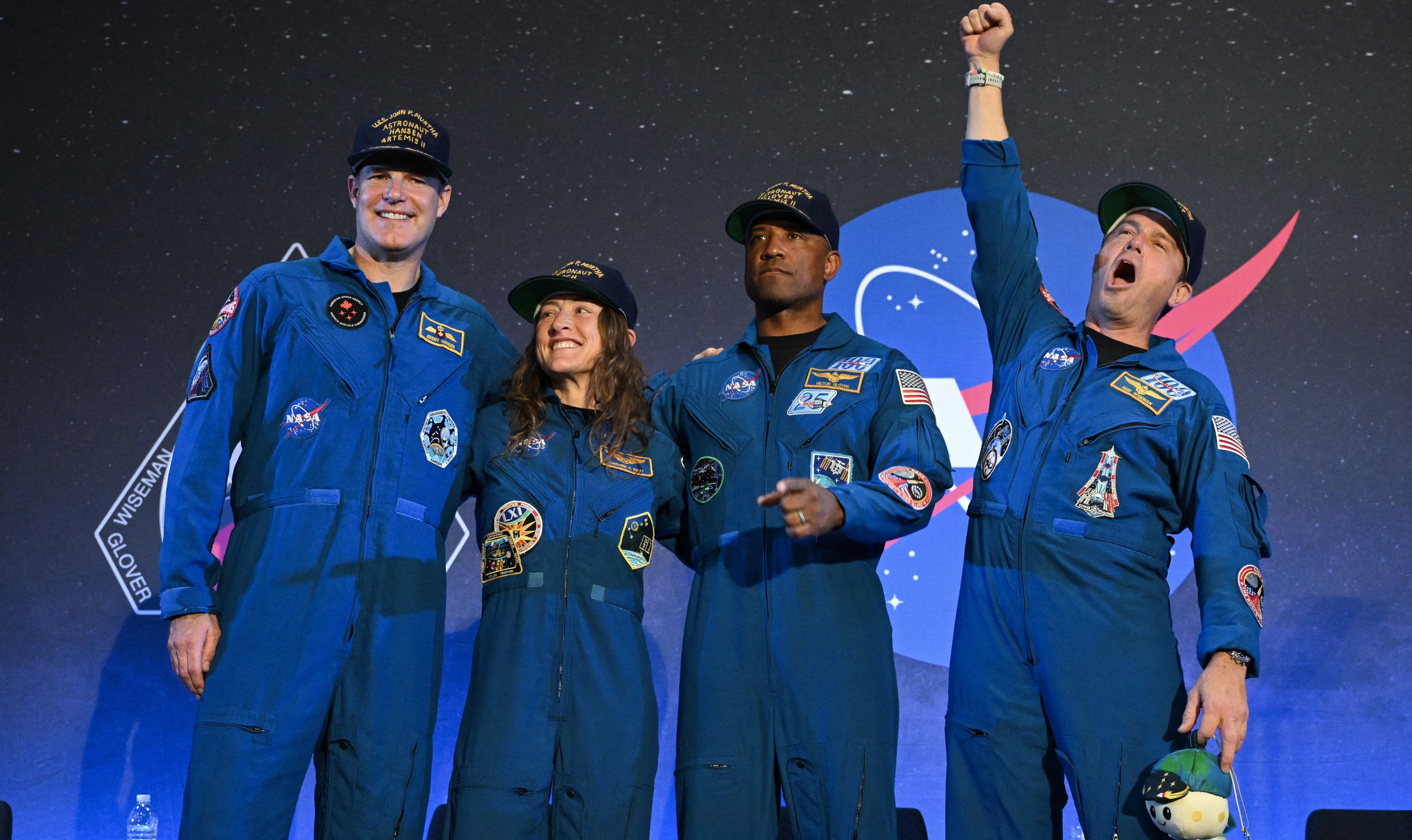
The crew of NASA’s Artemis II mission has made their first public comments following a record-breaking test mission to the far side of the moon and dramatic atmospheric re-entry at more than 24,000 miles per hour (38,600 km/h).
The four-person crew, including Captain Reed Wiseman, pilot Victor Glover, NASA mission specialist Christina Koch, and Canadian Space Agency mission specialist Jeremy Hansen, splashed down in the Pacific Ocean off the coast of San Diego on April 10 at 8:07 p.m. EDT (12:07 a.m. GMT).
you may like
“I still haven’t processed what I just did.”
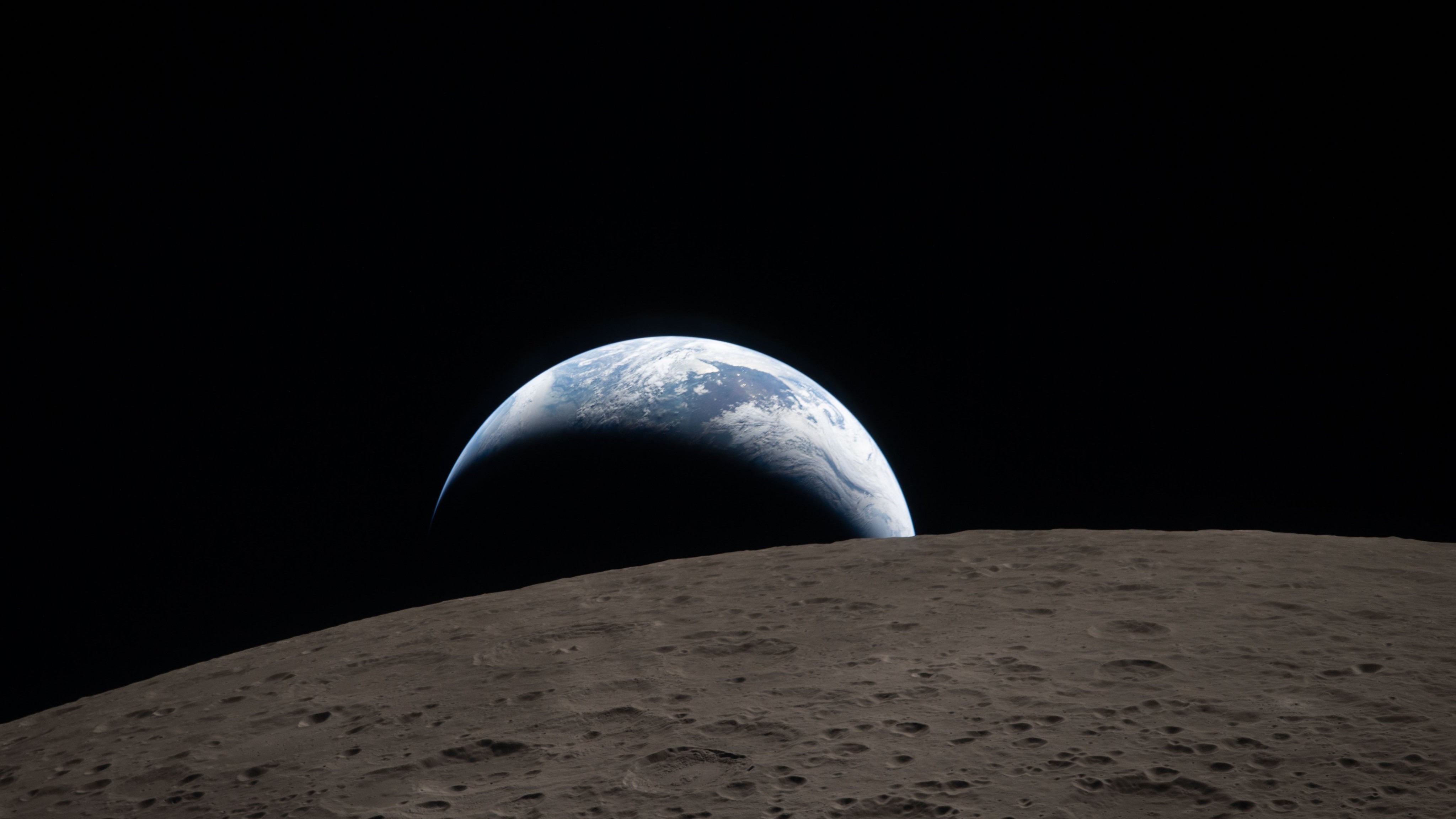
The Artemis II mission took humanity farther from Earth than ever before, reaching 252,760 miles (406,777 kilometers) from its home planet. This was more than 4,100 miles (6,600 kilometers) farther than the record set by Apollo 13 in 1970. The Orion spacecraft circled the far side of the moon in just seven hours on April 6, giving the crew a view of an area of the moon never seen before. Our lunar neighbor.
This mission clearly had a significant impact on the crew. “I just didn’t know what to say,” Wiseman said, while Glover added, “I’m scared to even try to say it because we haven’t processed what we did yet.” The crew members hugged each other multiple times during the meeting, with Hansen joking that “this was the furthest I’ve been from Reed in a long time.”
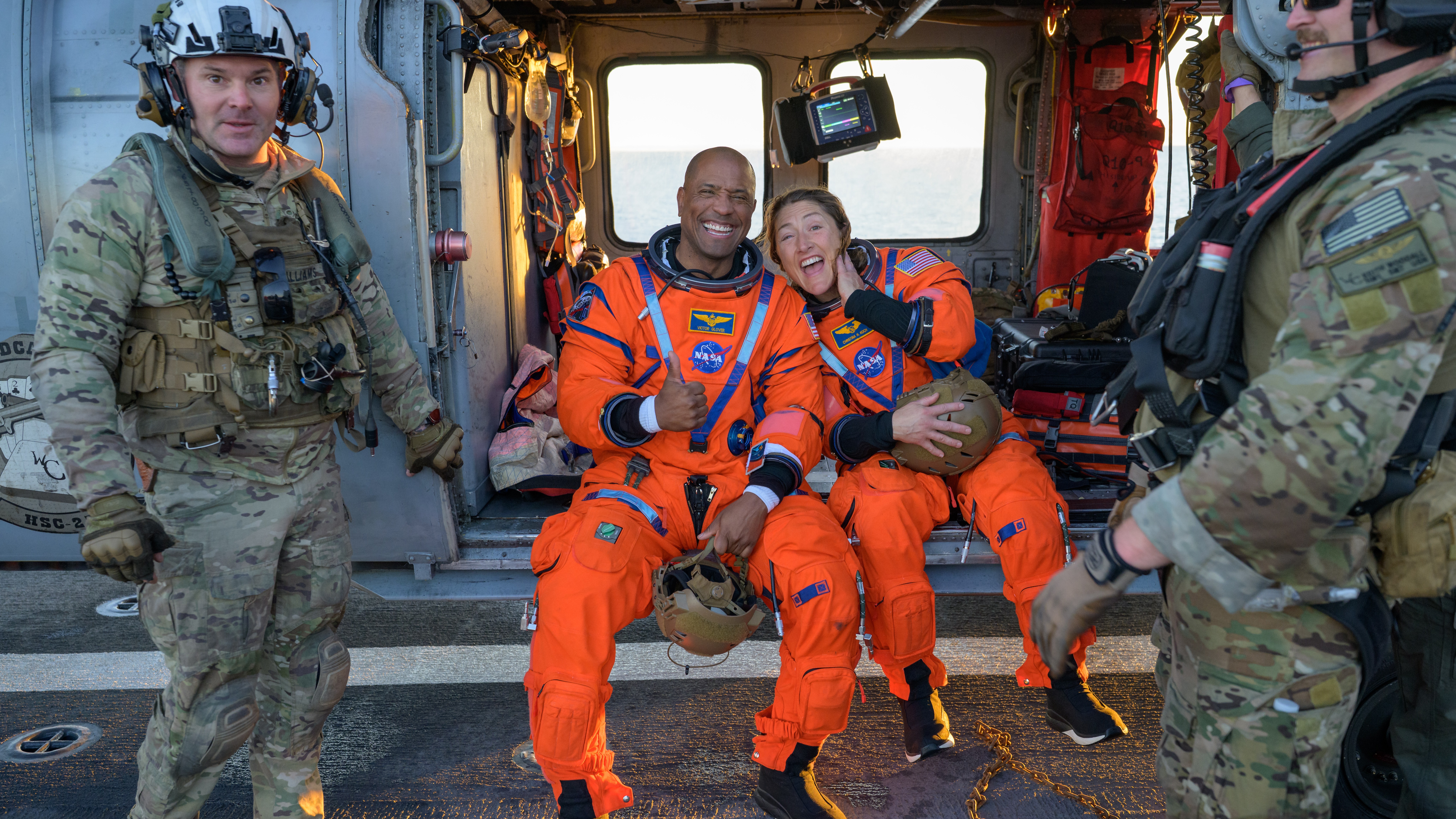
In his welcome remarks, NASA Administrator Jared Isaacman noted the tremendous impact that NASA’s mission has had on people here on Earth. “Thank you for showing me the moon again,” he said. “Thank you for showing me the Earth again.”
In fact, the Artemis II crew captured many breathtaking photos during their first trip to the moon since 1972. It includes a photo of the Earth surrounding the silhouette of Koch (the first woman to leave low-Earth orbit and visit the Moon) gazing at the Earth from one of the windows in the main cabin of the Orion spacecraft. The photo has already received 2.1 million likes on Instagram, highlighting her tremendous influence in inspiring young women and girls in STEM fields.
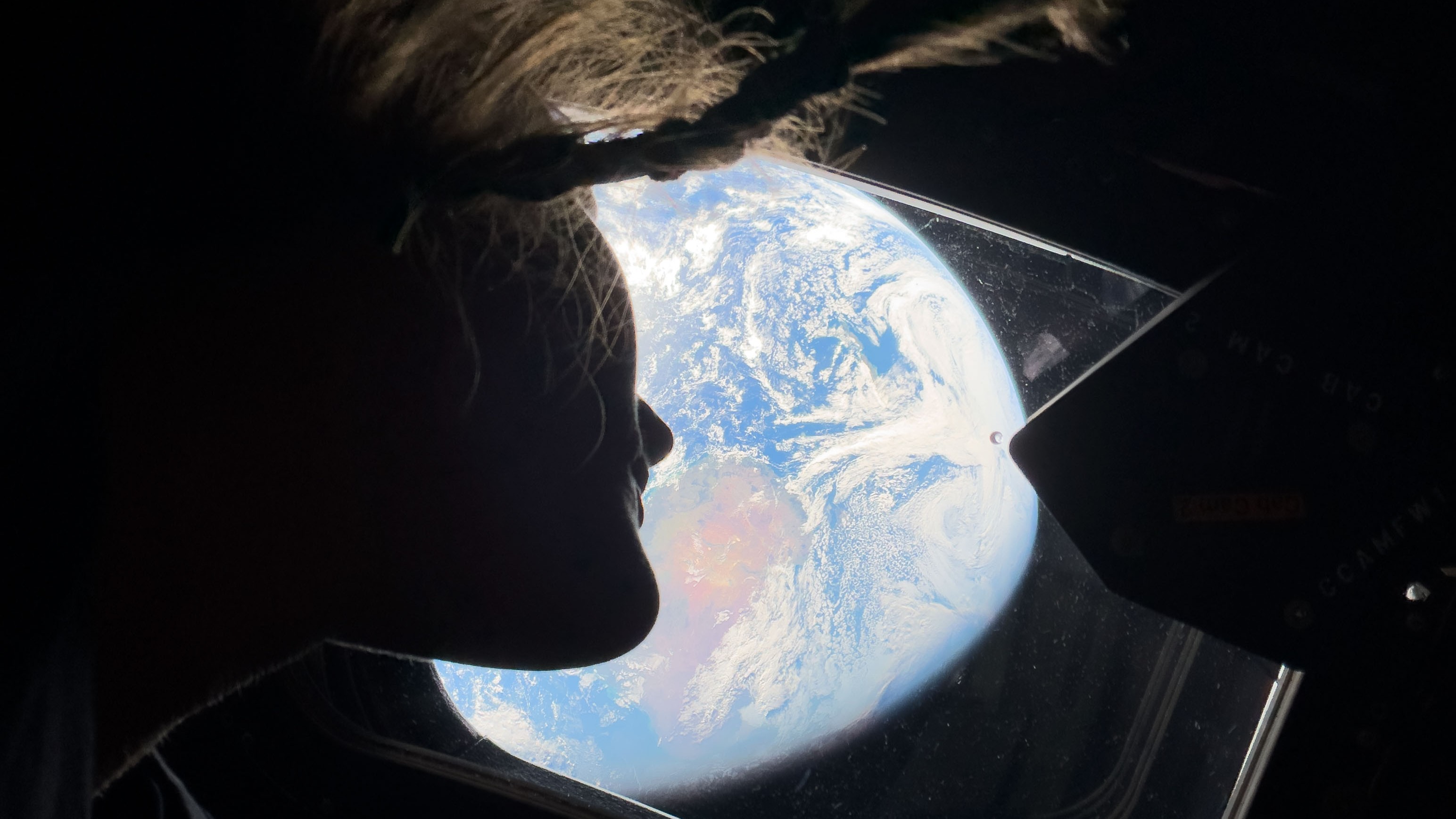
However, looking back on the mission, Koch said that the Earth was not necessarily the only one affected.
“It was pitch black all around,” she said at a news conference. “Earth is just a lifeboat dangling calmly in space.”
“Can I hug you?”
Koch told how her 10-day journey began and ended with a simple human moment. “This journey began 10 days ago when Mission Manager Sean Duvall knocked on my door in the crew hallway and whispered, ‘Christina, we’re going to launch. Wake up.’ And it ended last night when the ship’s nurse put me to bed and said, ‘Ma’am, can I hold you?'”
What to read next
Hansen said that beyond all the scientific knowledge gained, the most important message for the crew on this mission is a new perspective on our shared humanity and our home planet.
Wiseman and others agreed, saying, “It’s special to be human, and it’s special to be on this planet.”
Isaacman said NASA is already preparing Artemis III, which is scheduled to launch in 2027 and will test the Orion spacecraft’s ability to work in conjunction with multiple lunar landing candidates in Earth orbit. The Artemis IV and V missions will then target two landings on the moon in 2028.
“Artemis II was the prelude to America’s return to the moon,” Isaacman added. “As we stand here tonight, the mobile launcher is preparing to return to the VAB. [Vehicle Assembly Building]Artemis III will begin to be assembled and the next crew will begin preparing to play their part as we return to the lunar surface, build a base, and never let go of the moon again. ”