


Archaeologists in Egypt have discovered a Roman-era mummy with a copy of Homer’s epic poem “Iliad” in its abdomen. It’s a unique find, which archaeologists call “unusual.”
Written in Greek on papyrus, this document records part of the second volume of the Iliad, which details the legendary Trojan War. A statement from the University of Barcelona said that documents found in the mummy contain a list of ships used against the city of Troy. It is believed that it was placed in the abdomen during an embalming ceremony.
you may like
The site of Oxyrhynchus has been excavated intermittently for over a century. In the late 19th and early 20th centuries, archaeologists discovered approximately 500,000 papyrus fragments at this site.
Newly discovered “papyrus was placed to protect the abdomen” [the] They died in the afterlife,” Esther Pons Mellado, co-director of the Oxyrhynchus Archaeological Mission, told Live Science in an email.
Pons Merad and Maite Mascourt, co-director of the mission, explained that during the Roman rule of Egypt, it was common for papyrus to be placed in the chests or abdomens of mummies. But it’s unclear why the ancient Egyptians thought papyrus could help protect the dead, Pons and Mascourt said.
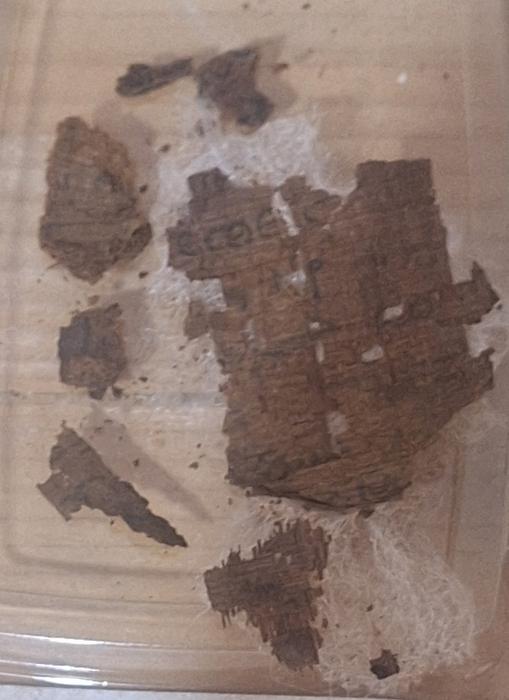
Remarkably, this is the first time a copy of Homer’s Iliad has been found inside a mummy.
The University of Barcelona said: “This discovery is unusual. It is the first time in the history of archeology that Greek literary texts have been found intentionally incorporated into the mummification process.”
Although other Greek literary texts have been unearthed at Oxyrhynchus, the “real novelty” of the newly discovered literary papyrus lies in its “funeral context,” Ignasi Xavier Addiego, a professor of linguistics at the University of Barcelona who analyzed the papyrus, said in a statement. Papyrus found inside mummies is often magical writing, he explained.
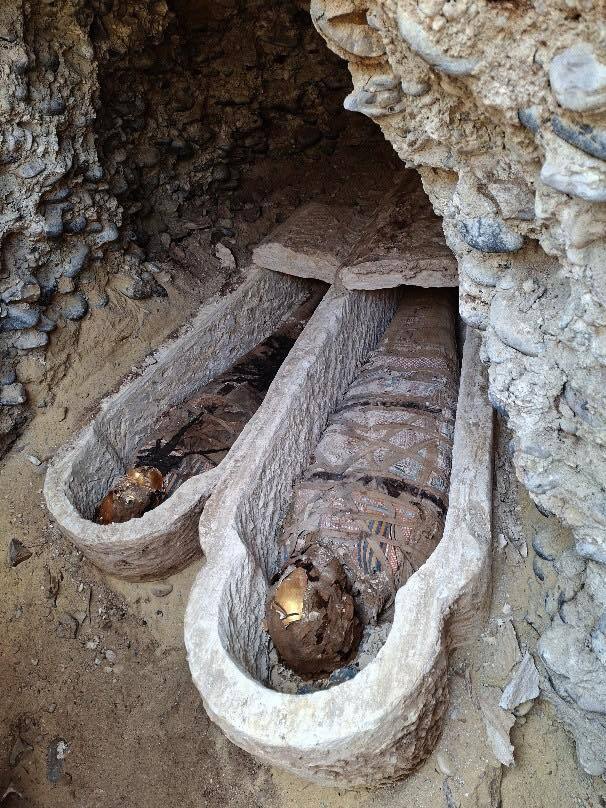
So far, archaeologists don’t know much about the mummy with the “Iliad” papyrus. “We know that [it] “It was a male mummified individual, which is still under investigation,” Pons and Mascourt wrote in an email, noting that the individual was an adult.
What to read next
“Papyri is extremely important and relevant, but of course the research is far from over,” Mascourt and Pons wrote.
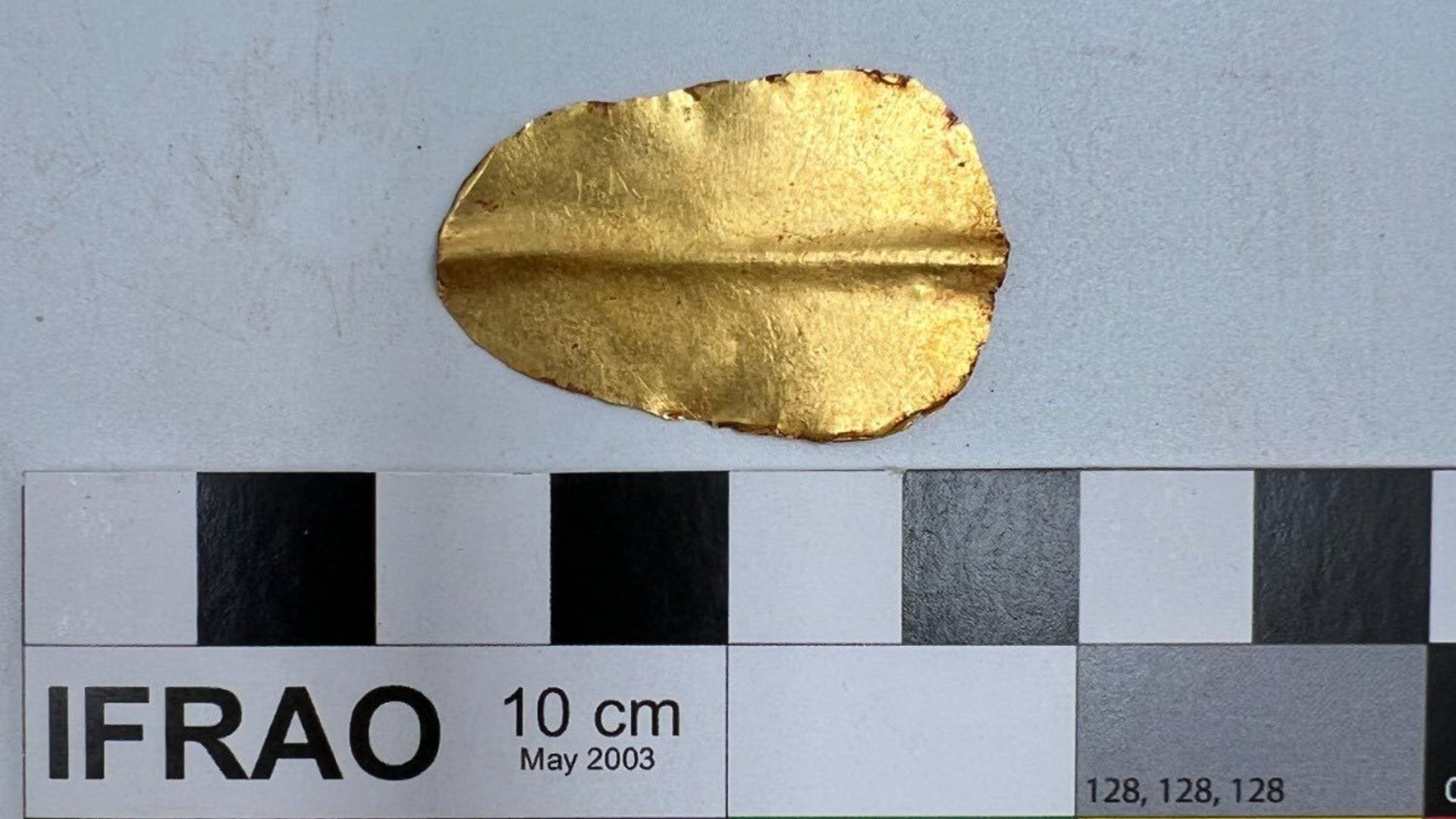
gold and copper tongue
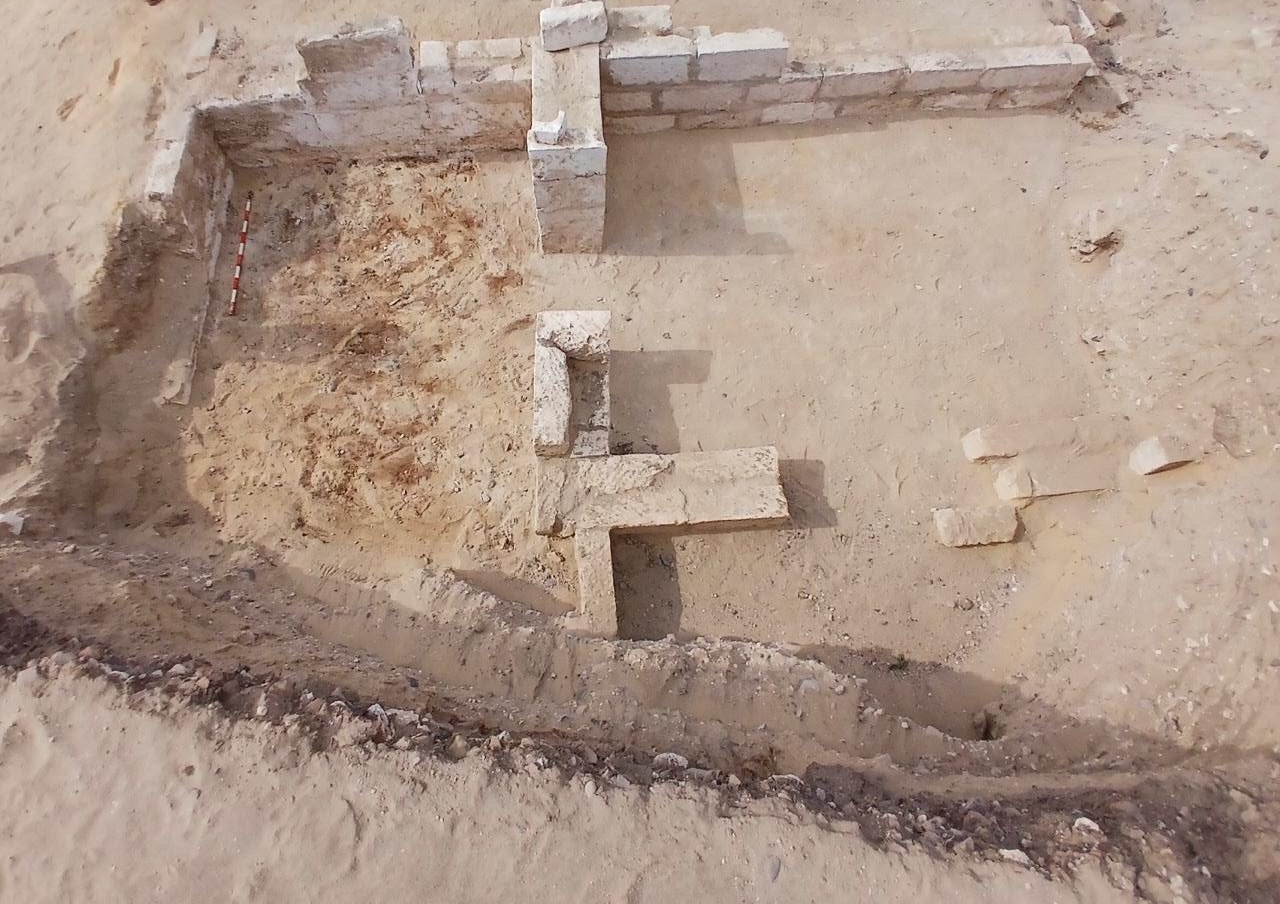
The mummies from the Iliad were discovered during excavations at the Oxyrhynchus cemetery between November and December 2025. Previous excavations at the cemetery by the research team found more than a dozen mummies with golden tongues, which the ancient Egyptians believed would help them communicate in the afterlife.
The team discovered three more gold tongues and one bronze tongue during excavations between November and December 2025, according to a translation of a statement from Egypt’s Ministry of Tourism and Antiquities. For the ancient Egyptians, gold symbolized the bodies of the gods, and having a tongue made of gold was thought to help them communicate with the gods. It is not clear why copper was used for one of the tongues.
It is also unclear whether the mummy’s tongue with the words “Iliad” inscribed on it is made of gold or copper. Mummy research is ongoing.