
Advances in integrated energy systems: Inside the ELEXIA project
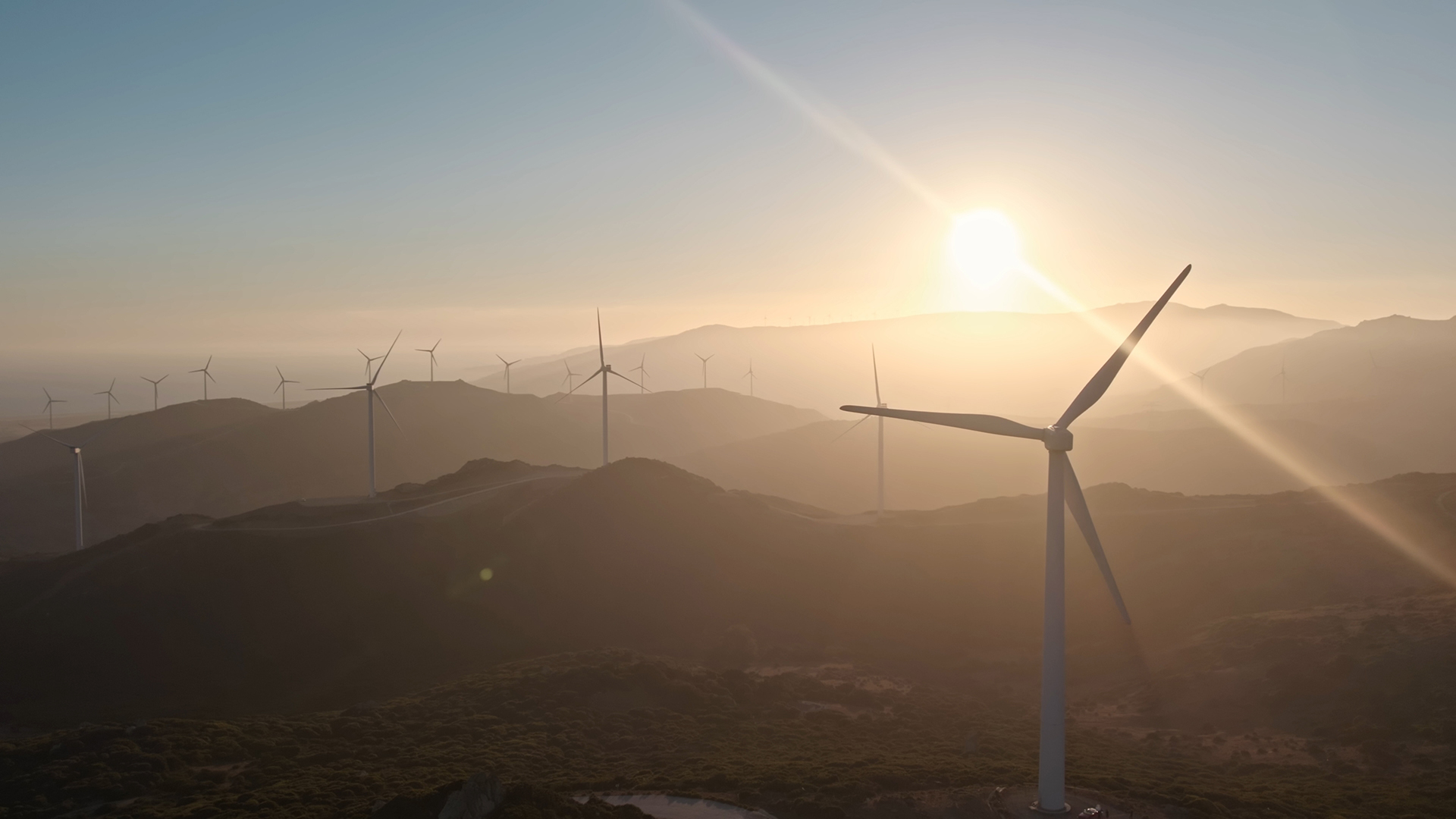
ELEXIA is an ongoing project funded by Horizon Europe to develop and demonstrate tools for planning and managing integrated energy systems across different vectors and sectors to achieve cost-optimized, flexible and resilient energy systems.
The first phase of demonstration of the tool at pilot sites has already started at pilot sites in Denmark and Norway, and a new pilot is about to start in Poland (for more information, see the article “ELEXIA: Developing new tools for integrated energy systems”). It was originally planned to be piloted in Portugal, but the reason for the change was due to limited participation by stakeholders who were not partners in the project. This indeed represents one major challenge in integrating energy systems across different energy vectors and sectors. It requires the active involvement of all relevant stakeholders and the willingness of each stakeholder to compromise on its plans and schedules, despite the expected commercial detriment in the long run.
However, a replacement location for the Portuguese pilot was found via a site in Poland that had previously been targeted as a potential replication location. This site continues to cover the scope of ELEXIA’s proposals and projects. It consists of wind turbines, photovoltaic fields, battery storage, hydrogen production, storage, CHP-based power generation and heat generation, electric vehicles (EVs), and production lines that can be integrated for demand-side management. After completing the necessary contract boundary conditions, preparatory work began for the installation of the ELEXIA EMS tools.
Announcement of results to consortium
At the consortium meeting in March, hosted by partner Durham Energy Research Institute at Durham University, initial experiences and results were presented and discussed, going far beyond the results published on the project webpage (see Resources). For some time, the dialogue between pilots and developers continued and work was done using the tools. As a result, the tool has been further refined and adapted to further improve its usability. The tool was developed by universities and research institutes based on defined inputs and required outputs, but user training and active use revealed additional wants and requirements. The tools and methodologies developed and tailored within ELEXIA are reaching Technology Readiness Level (TRL) 7-8, which represents the demonstration of a real system prototype in a production environment to system qualification through extensive testing and demonstration, and therefore has not yet reached industrial product status. Several issues can arise when using and testing them within “industrial” type activities that cover specific scopes, expected results, and tight deadlines. But despite the challenges, work is progressing, and the results so far are promising.

Promising results so far
A digital services platform is ready to handle data flow, storage, and exchange between pilot sites and tools. Needless to say, European data space, cybersecurity, privacy and access aspects are covered as important system-related information and data must be processed. Smart gateways and embedded artificial intelligence (AI) that improve observability and control over production, consumption, storage resources, and measurement acquisition are being developed and will soon be implemented and tested. Energy management tools and systems are being developed both as whole systems (to be demonstrated in Poland) and as new and improved components that will be integrated into existing systems, as described in the next four bullet points. The digital twin of pit thermal energy storage (PTES) for the Danish pilot highlights the potential to further improve operational integration into the management of thermal energy systems. Human loop management of building energy systems is being operated and tested in a pilot in Denmark (Høie Tastrup) with positive feedback, leading to its installation in other public buildings during trials. Data-driven critical asset health monitoring with an AI-based explainable framework has been installed in pilots in Denmark and Norway, and data streaming is currently underway. Some very promising first results were presented at the consortium meeting. Flexible tariffs for thermal energy and their impact on improved capacity utilization of thermal energy grids (including thermal energy storage) are being evaluated and are already attracting interest from potential replication sites Digital twins of transformers manage loads and contribute to peak cutting. Initial test results also show potential for improvements in capacity management and power storage.
Both of the above two results contribute to optimized capacity utilization that reduces investment and resource consumption when integrating additional consumers.
LCA analysis has provided results regarding specific components and technologies, allowing a sustainable and economical evaluation of energy systems, especially when planning new systems or expanding existing systems. The Energy System Planning Toolbox, consisting of the system planning tool SiteOpt and the risk assessment tool ERMSS, has already been evaluated and used in a pilot in Norway. Installation and training workshops with users were held, and their feedback and requirements were taken into account to improve the tool and improve its usability. There are different concepts for evaluation and development based on the planned transformation of the pilot area. One of the main issues when planning new or conversion areas is related to the expected energy demand. For example, a realistic model should represent the extent to which residents make use of available technology and flexibility. Given the remaining uncertainties, different scenarios need to be covered. Existing rules and regulations at the pilot site are also taken into account as they influence whether the integration of energy systems and the use of flexibility contributes to or hinders efficiency (energy and resource) gains. Examples include:
o Energy charges for district heating. It is linked to the electricity rate and is set at the end of the month when the current month’s electricity rate is known.
o Fixed electricity prices like Norway’s “Norges Pris” (see link, Norwegian only). It sets energy prices at a constant value regardless of market fluctuations.
None of these examples contributes to any benefit for the end user when taking advantage of flexibility possibilities or participating in the energy market. Therefore, the potential of built-in flexibility technologies (energy storage, demand-side management, scheduling, etc.) may not be used at all until these types of rules and regulations are adjusted. The result is a lack of planning and integration of enabling technology during deployment and mitigation of impact as regulations adjust.

attract worldwide attention
However, although this project is still in the early demonstration and testing stages, early publications and results have already sparked growing interest in ELEXIA’s methodologies, tools, and systems. This is evidenced by the fact that additional locations in Denmark, Norway and Poland are interested in replicating it. Interests relate to thermal grid management and operation, energy storage integration, asset health monitoring, human-involved control, and integration across sectors and vectors. Both energy system planning and energy system management are covered. First contacts to these sites have been established and are underway and are beyond the scope and planning of the project, demonstrating that the ELEXIA concept is well positioned.

For information on ELEXIA’s existing publications, most of which are scientific, please visit the project website.
Please note: This is a commercial profile
This article will also be published in the quarterly magazine issue 26.
Source link

