
Jacobi targets PFAS crisis with activated carbon technology
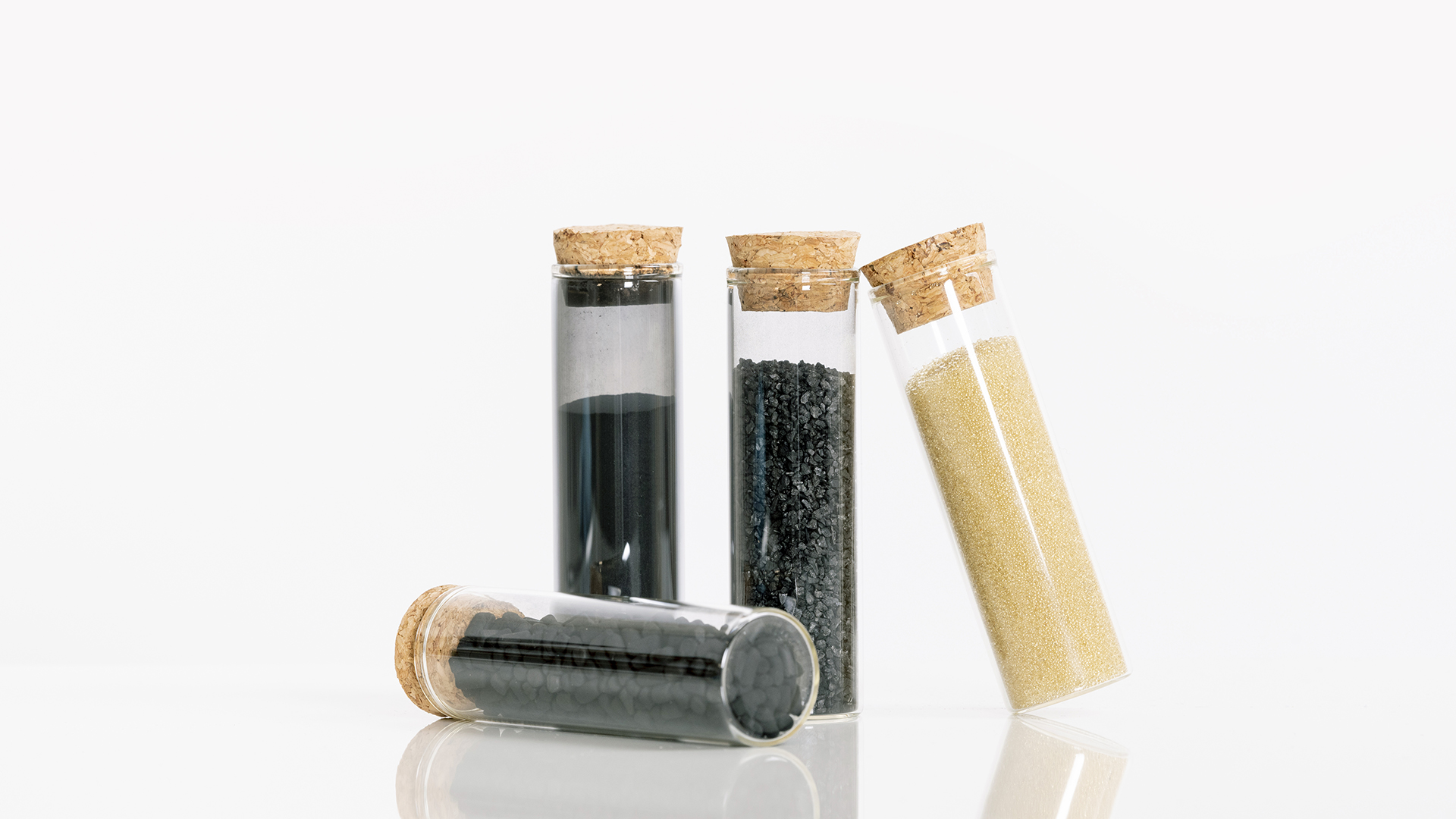
Jacobi Group uses a sustainable solutions approach to address the PFAS issue and is the only operator to offer activated carbon and ion exchange resins, supported by mobile filtration units across Europe.
Awareness of the PFAS contamination crisis has grown rapidly in recent years, and as a result, the search for effective and safe treatment options has gained momentum.
At Jacobi, we approach your PFAS issues with an environment-and-people-first philosophy, working within, but often exceeding, local directives and regulations to provide effective treatments that are environmentally responsible and safe for employees and the public.
Jacobi Group’s entry into PFAS treatment solutions
Our first PFAS clients came to us before this situation hit the headlines or became a big story. This is a drinking water customer located next to an Air Force base (widely known as a PFAS hotspot) and needed help making the water safe for local residents.
Jacobi’s goal is to be the most sustainable activated carbon supplier in the industry. Tackling the PFAS crisis, improving lives and protecting the planet by making the environment safer and improving the quality of drinking water aligns with our sustainability philosophy and goals. This particular treatment area is one in which we feel a strong sense of mission, so we set out to develop effective ways to treat our customers’ PFAS problems.
Jacobi’s approach to PFAS: not just removed, but destroyed.
Jacobi’s overarching goal is to operate in the most sustainable way possible. We work with the planet and its inhabitants at the forefront of our decision-making processes. So when it comes to treating PFAS, removal is only part of the challenge. If PFAS are removed and then improperly disposed of, the hazardous chemicals are simply relocated (and thus re-released into the environment where their toxic effects are repeated) rather than being removed. A complete “solution” requires the complete destruction of PFAS.
We set out to build a complete solution and are now able to offer it to our customers through spent carbon reactivation. This process brings many benefits. Removal of PFAS is very simple and uses mobile filter units with activated carbon from the AquaSorbTM series and optionally other media such as ion exchange resins to adsorb contaminants including PFAS.

By heating the resulting PFAS-loaded carbon to extremely high temperatures in a kiln, PFAS is removed to undetectable levels. The point to note here is that while zero PFAS is not achievable for the majority of people due to technical and financial limitations, undetectable levels that are safe for the environment and the public are achievable.
These high temperatures reactivate the carbon, making it recyclable again. Recycled carbon has been found to have a much lower global warming impact than virgin carbon. Here, reduced emissions and undetectable PFAS levels combine to form an environmentally friendly solution to your PFAS problem. At Jacobi, we strive to ensure that the most sustainable option is the most desirable for our customers, so there are cost benefits to choosing reactivated carbon over virgin coal.
Take the test further
EU Member States currently set limits for PFAS levels within the scope of the EU Drinking Water Directive (which parallels national PFAS level regulations). PFAS fall under the Drinking Water Directive guidelines. However, in most cases only three types are measured. Although these particular PFAS are the most common, they are known to be the least dangerous.
It is easy to work within the guidelines and test for just three PFAS compounds (PFOS, PFOA, and PFHxS). However, because we feel a strong obligation and responsibility towards the environment, we are testing 32 species out of the millions that exist.
Next, the “POP” (persistent organic pollutants) level in the spent activated carbon media must be considered before reactivation. PFAS are also known to leak through other routes during the reactivation process. It is important to comply with Regulation (EU) 2019/1021 implementing the Stockholm Convention in EU law. Dust and emissions generated during processing can release these chemicals into the air and can be returned to the environment by the wastewater generated. We have chosen to also examine these sources for thorough and comprehensive treatment that prioritizes the safety of our citizens and the public when it comes to permanently addressing PFAS. To ensure complete transparency and reliability, we employ independent testing laboratories for periodic certification.
Multifaceted approach
Our main treatment is activated charcoal, but that alone does not work in all situations. Each customer presents a unique situation and set of requirements, and we tailor treatment accordingly.
Our Jacobi Resins division manufactures and supplies ion exchange resins that are widely used in combination with our activated carbon for effective PFAS removal, and both media can target different types of PFAS.
Through our services business, we also provide mobile filter units for our carbon and resins, pre- and post-processing testing, logistics and media handling.

Image source: Stadtwerke Service Meerbusch Willich GmbH & Co. KG
PFAS past and present challenges
A one-size-fits-all approach is simply not possible in this market. We consider each case individually and, of course, cooperate with the framework proposed by your authorities. But we also operate on the premise that we must operate in the most environmentally responsible way. This means that we often provide thorough treatment that goes beyond basic requirements simply because that is the thing to do.
This philosophy also means that our testing standards are very strict. Protecting your employees is essential when working to reactivate used media. The welfare of the people working in our factories is our priority, so if the media has very high contamination levels (POP levels), we will reject the material. In some cases, this means loss of business. However, we are committed to the safety of our employees and to perfecting efficient solutions.
Looking to the future
Drinking water has long been the primary focus for PFAS removal, but the motivation to make this a priority is clear given the negative impacts of consumption. Now that drinking water treatment is commonly established, we are turning to other water sources that require attention.
Industrial operations are a large and undeniable source of PFAS contamination, and many of our customers come to us to treat contaminated soil and landfill leachate. Our reactivation plants in Germany are licensed to remove PFAS and reactivate carbon captured from drinking water and industrial sources.
In the second half of 2025, work will begin on the new French location, Jacobi Services Vierzon, which will enable us to significantly increase our production capacity in the coming years. The plant is scheduled to be fully operational in 2027 and will have a reactivation capacity of 10,000 tons per year.
Providing these services in central France, a convenient location for our European customers, eliminates the logistical emissions associated with moving spent carbon and reactivated carbon. By increasing production capacity, making restarts easier and more desirable for customers, the new factory will help move the industry forward in prioritizing sustainability and lead us towards a more circular economy.
To learn more about our PFAS solutions, visit jacobi.net/webinars or to register for our regular webinars, visit jacobi.net/pfas. To contact Jacobi Group’s dedicated PFAS team, please send an email. [email protected].
About Jacobi Group
Jacobi Group is a solutions-driven company that manufactures and supplies a full range of effective activated carbon products, ion exchange resins and services. Today, Jacobi is the largest manufacturer of coconut-based activated carbon. The company supports and supports the use of coconut shells as raw material for activated carbon products, thanks to its renewable nature and environmental credentials with low waste and low CO2 impact. The company operates around the world and provides customers with comprehensive solutions in a wide range of application areas, including water, oil, gas and air treatment, biogas, pharmaceuticals, and food and beverage production.
Please note: This is a commercial profile
This article will be published in an upcoming PFAS Special Focus Publication in April.
Source link

