
King Charles launches Project Nova to track space debris from Bermuda
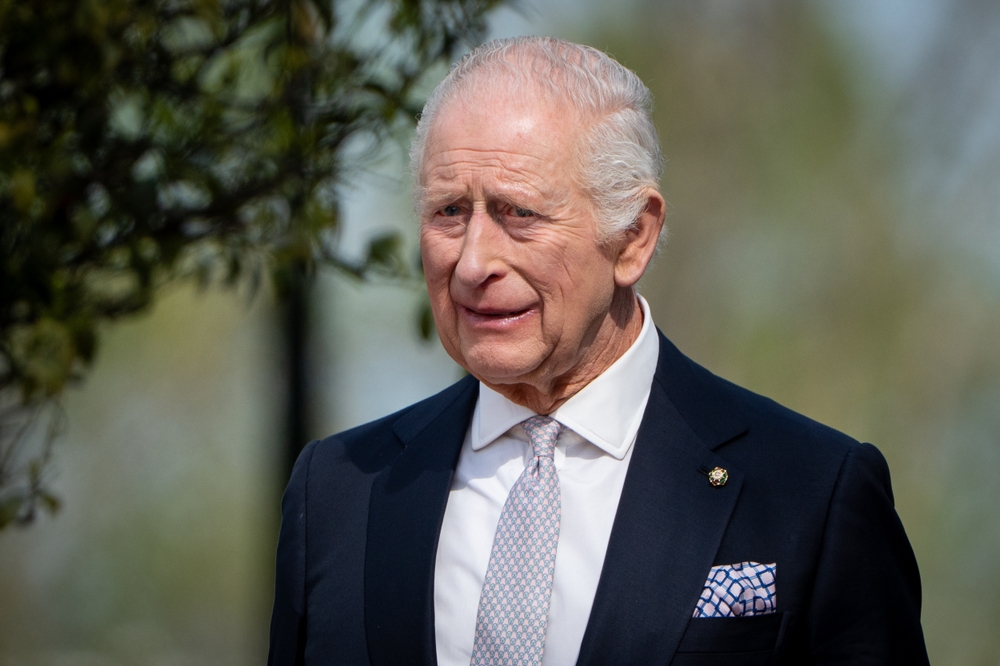
Charles III officially launched a major UK-led effort to monitor space debris, announcing the £40 million Project Nova during the final leg of his visit to Bermuda.
The effort, led by the UK Space Agency, will establish a global network of telescopes designed to detect and track dangerous objects orbiting Earth.
The first phase of Project Nova will install three high-performance telescopes on the strategically selected northwest coast of Bermuda in the Atlantic Ocean.
These instruments are designed to identify small pieces of space debris in low Earth orbit, objects that can damage satellites or disrupt critical infrastructure.
The expected outcome is a significant increase in the UK’s ability to monitor on-orbit risks, reduce the threat of collision and strengthen international co-operation on space security.
The Bermuda facility will act as a test bed for a wider five-site global network, positioning the UK as a key player in tackling the growing space debris problem.
Why is space debris so dangerous?
Space debris refers to extinct man-made objects orbiting the Earth, such as abandoned satellites, collision debris, and discarded rocket parts.
Although these objects are often small, they travel at speeds in excess of 17,000 miles per hour, so impacting even the smallest pieces can cause significant damage.
Risk is not theoretical. Collisions involving space debris can disable satellites that support GPS, telecommunications, weather forecasting, and financial systems.

In the worst-case scenario, a cascading collision known as Kessler syndrome could leave parts of the orbit out of service for decades.
As more countries and private companies launch satellites, the amount of space debris continues to increase. Without effective tracking and mitigation, the sustainability of space operations is increasingly threatened.
Why Bermuda was selected for Project Nova
Bermuda’s geographic location, approximately 1000 miles off the east coast of the United States, makes it an ideal observation point for tracking objects in low Earth orbit. Its location provides wide sky coverage and complements other telescope sites planned around the world.
The three telescopes planned for the island will form the backbone of the first operational phase of the project. Each unit can detect objects smaller than a Rubik’s Cube, but this level of accuracy is considered essential given the increasing density of space debris in orbit.
Officials say the feature will strengthen early warning systems and allow satellite operators to take evasive action and avoid potentially deadly collisions.
Royal approval connects space and sustainability
During his inauguration, King Charles III framed Project Nova as part of a broader environmental and technological agenda.
He linked the project to the Sustainable Markets Initiative and the Astra Carta framework, which promotes responsible practices in emerging industries, including space.
The King unveiled a commemorative plaque at the observatory, highlighting the philosophical connection between Earth’s ecosystem and the universe.
He emphasized the need for transplanetary stewardship, referring to gardens he designed based on planetary movements.
His involvement adds diplomatic and symbolic weight to the project, reinforcing its importance not only as a scientific tool but also as a global responsibility.
Strategic implications for UK and global space policy
If Project Nova is successful, it could enhance the UK’s role in global space governance, particularly in the area of on-orbit safety.
The initiative aims to create a more coordinated response to the space debris crisis by combining advanced tracking technology and international partnerships.
The Bermuda site is being looked at as a proof of concept. Its performance will determine how quickly the remaining telescope sites can be deployed and how effectively the network can integrate with existing systems around the world.
As space becomes increasingly crowded, efforts like this will determine whether the orbital environment remains viable for future generations or becomes increasingly dangerous.
Source link

