
NHS launches rapid injection of pembrolizumab for 14 cancers
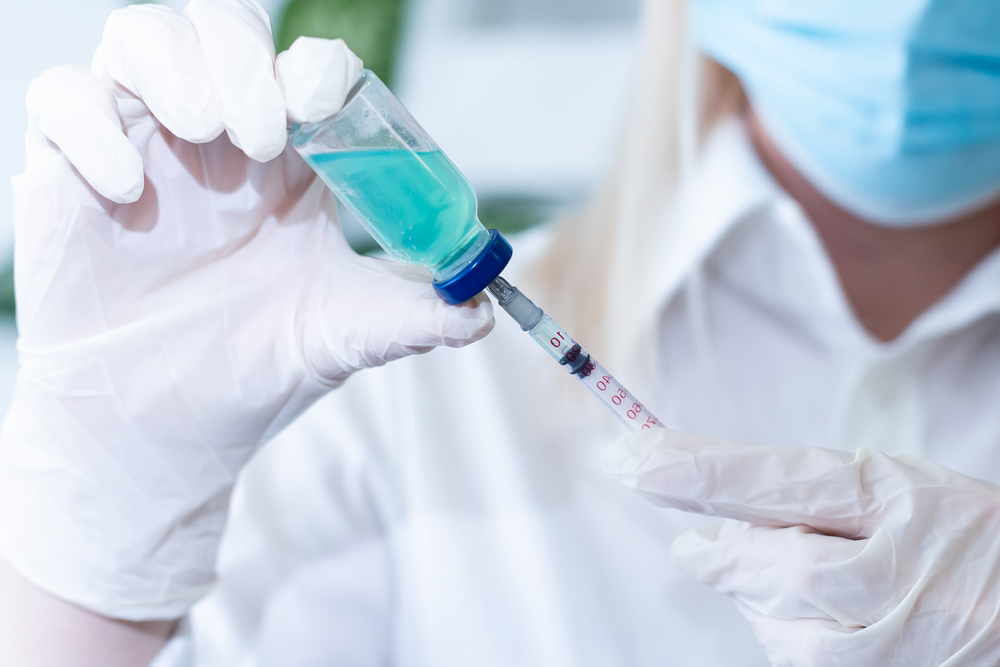
The NHS has started offering a faster injectable form of pembrolizumab to cancer patients across the UK, with the aim of significantly reducing cancer treatment times.
The new delivery method replaces lengthy intravenous infusions with quick subcutaneous injections that can be administered in just 60 seconds.
This modern approach to pembrolizumab treatment is designed for patients with up to 14 types of cancer, including lung, breast, cervical, and head and neck cancers.
By moving from hour-long infusions to one-minute injections, the NHS hopes to improve patient experience while reducing pressure on oncology services.
Early results suggest a large impact. Treatment time can be reduced by up to 90%, allowing thousands of patients each year to spend less time in the hospital and more time in their daily lives.
Approximately 14,000 people start pembrolizumab therapy in the UK each year, with the majority expected to benefit from the streamlined process.
Commenting on this treatment innovation, Wes Streeting, UK Health and Social Care Secretary, said: “Our National Cancer Plan promises to do more for patients and move faster, and we are already delivering on that change.
“As a cancer survivor, I know how important prompt treatment is. This development will provide faster and more convenient care, saving patients time, reducing hospital stays and aiding recovery.
“Not only that, it frees up valuable time so clinicians can treat more people and potentially save more lives.
“The government is providing health services with record funding, almost 40,000 more people are starting treatment on time, and early diagnosis rates are at a record high.
“Through innovations like this, we are making every penny count and ensuring patients receive NHS care that fits their lives, rather than the other way around.”
Changes in pembrolizumab administration method
Pembrolizumab, sold as Keytruda and developed by MSD, is a widely used immunotherapy drug.
It works by blocking the PD-1 protein, which normally limits immune system activity. By inhibiting this “brake,” the drug allows immune cells to more effectively detect and attack cancer.
Traditionally, pembrolizumab has been delivered by intravenous infusion, a process that can take up to two hours per session, including preparation and administration.
This new formulation allows clinicians to administer the drug via pre-prepared injections, eliminating the need for time-consuming pharmacy preparation under sterile conditions.
Patients receive injections either every 3 weeks (1-minute dose) or every 6 weeks (2-minute dose), depending on their specific treatment plan.
Improving patient experience
For patients, this change is not only clinical but also practical. Shirley Zerxes, 89, of St. Albans, who was one of the first to receive the new shot, said the experience was transformative.
She received treatment at Mount Vernon Cancer Center and reported sitting in the treatment chair for only a few minutes, compared to more than an hour previously.
There are clear benefits to reducing treatment time. By spending time with family or simply avoiding long hospital stays, patients can return to normal activities more quickly.
For older patients or those with mobility issues, shorter appointment times may also reduce fatigue associated with treatment days.
NHS operational interests
The move to injectable pembrolizumab is also expected to improve efficiency within NHS oncology.
By eliminating the need for complex infusion preparation, hospital pharmacy teams can reallocate time and resources. Clinics will be able to treat more patients and benefit from increased throughput without having to expand their infrastructure.
This operational advantage comes at a time of sustained demand for cancer services. Faster administration means more flexible scheduling and fewer bottlenecks in treatment units, potentially reducing wait times.
Professor Peter Johnson, NHS National Cancer Clinical Director, added: “This immunotherapy has provided a lifeline to thousands of patients and it’s great that this new rapid injection can now be administered in just one minute, meaning patients can get back to their lives without spending hours in a hospital chair.”
“Treating cancer and managing regular hospital visits is extremely demanding. This innovation will not only make treatment faster and more convenient for patients, but will also help NHS teams free up vital appointments to treat more people and reduce waiting times.”
Broader trends in cancer treatment
This development reflects a broader movement toward patient-centered cancer care, where convenience and quality of life are prioritized along with clinical outcomes.
Although intravenous treatment is still necessary in some cases, especially when pembrolizumab is combined with other treatments, injectable options represent an attractive alternative for many patients.
The NHS expects that as implementation expands, the new pembrolizumab delivery method will become standard treatment for eligible patients, representing a significant advance in both cancer treatment and healthcare efficiency.
Source link

