
University of Bath promotes new hantavirus vaccine as infections spread
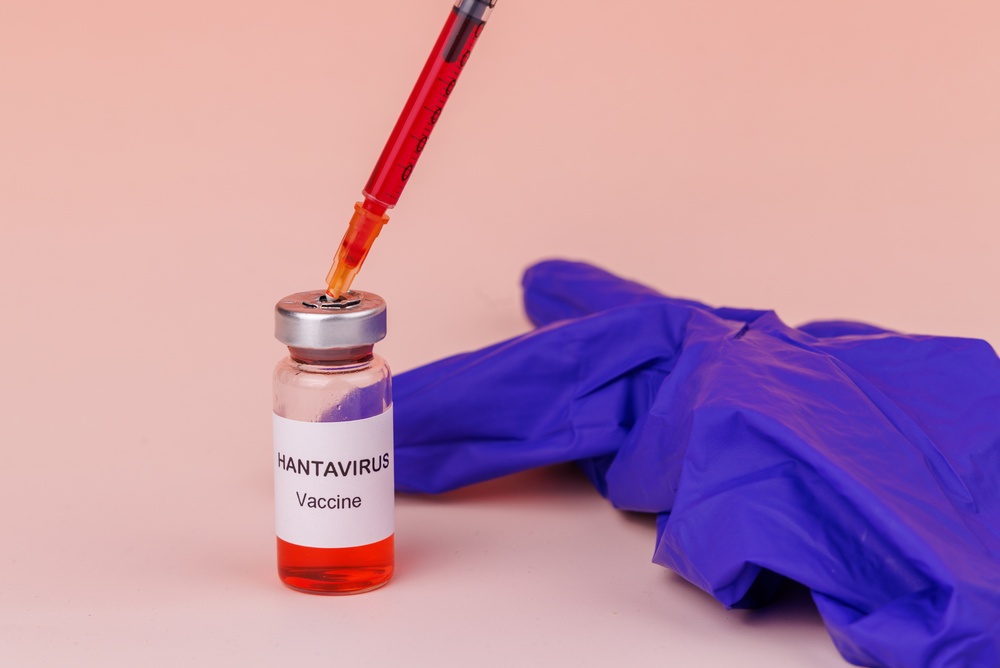
Researchers at the University of Bath are developing a new hantavirus vaccine designed to remain stable without refrigeration. This is a breakthrough technology that could change the way vaccines are distributed globally.
The project is led by Professor Asel Saltbaeva together with the biotechnology spin-out company Encilitec.
The vaccine has already elicited strong immune responses in laboratory and animal studies, and the research team is now preparing for phase 1 human trials.
Scientists have combined mRNA vaccine technology with a patented stabilization system known as Ensilication®, which protects the vaccine components within a microscopic silica shell.
The development comes as global attention has returned to hantaviruses following a recent outbreak linked to the cruise ship MV Hondius near the Canary Islands.
The World Health Organization (WHO) has stressed that this outbreak is “not another coronavirus disease (COVID-19)” and that the public health risk remains low despite several deaths and confirmed infections.
What is hantavirus?
Hantaviruses are a type of virus that are usually spread by exposure to infected rodents, especially urine, saliva, or feces. Infection in humans is rare but can cause severe symptoms, causing the disease to attack the lungs and kidneys.
In the Americas, hantavirus pulmonary syndrome (HPS) is the most severe form of the disease. Patients initially exhibit flu-like symptoms, including fever, fatigue, headache, and muscle aches, which quickly progress to difficulty breathing. Some strains have a mortality rate of over 30%.
Unlike COVID-19, hantaviruses generally do not spread easily between people. But the Andean strain linked to the recent cruise ship outbreak has shown limited human-to-human transmission in cases so far, prompting increased surveillance by international health authorities.
Explained the recent hantavirus outbreak
Concern about hantavirus has increased following an outbreak on the Dutch-flagged expedition ship MV Hondius. The outbreak resulted in multiple infections and at least three deaths, triggering an international public health response involving Europe, the United States, and the WHO.
After the ship arrived near Tenerife in Spain’s Canary Islands, passengers were evacuated under strict biosecurity measures.
Several countries organized medical repatriation flights for their nationals, while U.S. authorities transferred the American passengers to a specialized quarantine facility in Nebraska for observation.
WHO officials have repeatedly stressed that the current outbreak should not be compared to the coronavirus pandemic. The group said hantavirus outbreaks tend to remain localized because transmission usually relies on close contact rather than widespread airborne transmission.
Still, this outbreak has brought into sharp focus the lack of a widely available hantavirus vaccine and the importance of rapid vaccine technology.
Why this hantavirus vaccine is different
The experimental hantavirus vaccine being developed at the University of Bath combines two key technologies: mRNA science and thermostabilization with Ensilication®.
The mRNA platform works by teaching the immune system to recognize viral proteins and build a protective immune response without using live viral material. A similar approach has been successfully used during the COVID-19 pandemic.
A feature of this vaccine is its ability to remain stable at ambient temperature. Ensilication® protects fragile biological components within a silica-based coating and helps prevent degradation due to heat and transport conditions.
This could eliminate the need for the expensive refrigerated supply chains that currently dominate global vaccine distribution.
Currently, many vaccines must be stored and transported at strictly controlled temperatures. A failure of the refrigeration system can render the entire batch unusable.
Figures highlighted by the research team show that cold chain failures cost the pharmaceutical industry an estimated £35bn each year.
The WHO also reported that up to 50% of vaccines could be wasted in some developing regions due to unavailability of reliable refrigeration infrastructure.
Researchers believe a thermostable hantavirus vaccine could dramatically improve access in remote areas, disaster zones, and low-income countries where ultra-cold storage is difficult to maintain.
Professor Saltbaeva said: “Currently, there is no effective vaccine against hantaviruses, leaving large populations in Southeast Asia, Africa and South America vulnerable to the disease, which is caused and transmitted by rodents.
“Our team has developed a new antigen for Hantaan disease from the hantavirus group.
This is a completely new vaccine that is currently being tested in the lab and in animal models, showing excellent immune responses.
“Although more work is needed to bring this vaccine to the general public, this is a very promising development of a completely new and needed vaccine.”
Human trials are an important next step
The University of Bath team said preclinical studies had generated “excellent” immune responses in both clinical tests and animal models. The next step will be a Phase 1 human clinical trial focused on evaluating safety and immune response.
If successful, the technology could spread beyond just hantaviruses. Scientists believe the same stabilization platform could eventually be applied to other vaccines and biologics that currently require refrigeration during transportation.
The University of Bath’s hantavirus vaccine project could be an important test case for the future of global immunization, as health systems continue to seek more resilient vaccine technologies in the wake of COVID-19.
Source link

