
Circular economy activities could reduce EU climate change impact by 22%
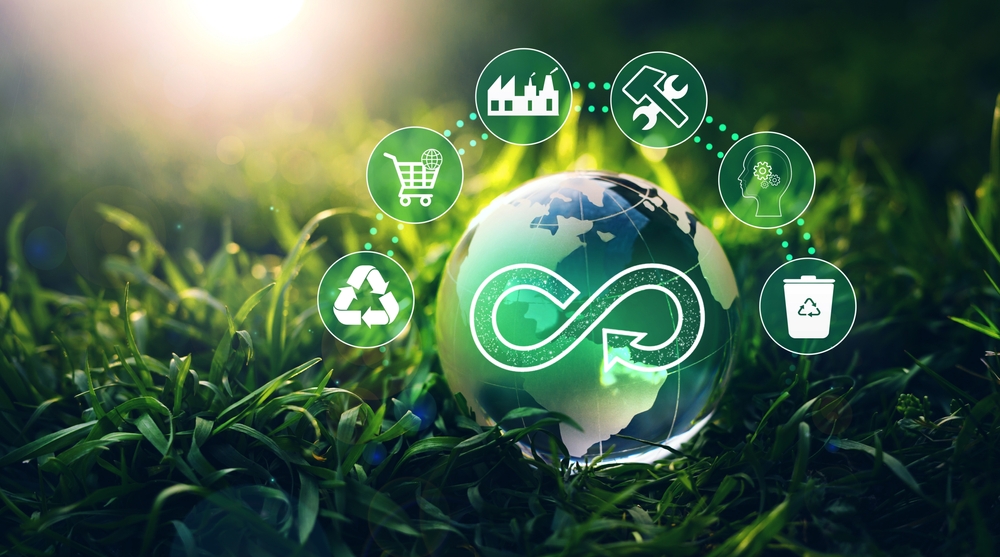
Three new assessments on circularity published by the European Environment Agency (EEA) have found that accelerating investment to ensure policy goals are met would have significant benefits for both the economy and the environment.
The assessment analyzed and modeled 17 circular economy activities across sectors such as housing, mining, food and mobility, identifying not only positive environmental impacts but also economic benefits.
The Environmental and Climate Benefits of a Circular Economy briefing found that circular economy initiatives have the potential to:
Reduce the EU’s climate change impact by 22%, biodiversity loss impact by 19% and air pollution (fine particulate matter) by 25%.
Strategic investments could ensure better access to raw materials, enable the creation of new businesses and reduce the EU’s dependence on raw materials from around the world. For example, the EU’s dependence on aluminum, nickel and platinum group metal ores mined elsewhere would fall by around 20%, and for copper by 12%.
Better roundness means better material
In Europe, 14.4 tonnes of materials are consumed per person per year, with approximately 6 tonnes being material stocks embedded in buildings, infrastructure or machinery.
Improving the reusability of long-term products such as buildings, cars, roads, and machinery reduces the demand for new raw materials and helps more local businesses become more cost-competitive. This will increase the EU’s resource security and independence, according to the EEA briefing “Material inventories in the circular economy”.
As a major importer, Europe’s actions to reduce demand for new materials rather than recycling existing material stocks are having ripple effects around the world. Emissions associated with the extraction and transportation of raw materials from other parts of the world, which often have significant impacts on the local environment in the process, will be reduced as a result of these measures.
Investment needs to accelerate through public and private funds
The EEA’s report ‘Unlocking the circular economy: investment needs, barriers and enabling conditions’ argues that achieving existing circular economy targets will require further investment, with an expected gap of around €82 billion per year by 2040.
Product design and end-of-life stages have been identified as the areas that need the most focus, with gaps between sectors being most pronounced in construction, textiles, batteries and automotive.
The report added that while private finance currently accounts for the majority of investment, public finance plays an important role in de-risking projects and enabling long-term mixed financing.
All structural economic and financial barriers still need to be addressed by policy measures that improve access to finance and the marketability of circular projects. Improving the monitoring and analysis of financial flows can also help optimize projects for both socio-economic and environmental benefits.
Source link

