
After SpaceX’s S-1, the path to Starship reuse looks uncertain
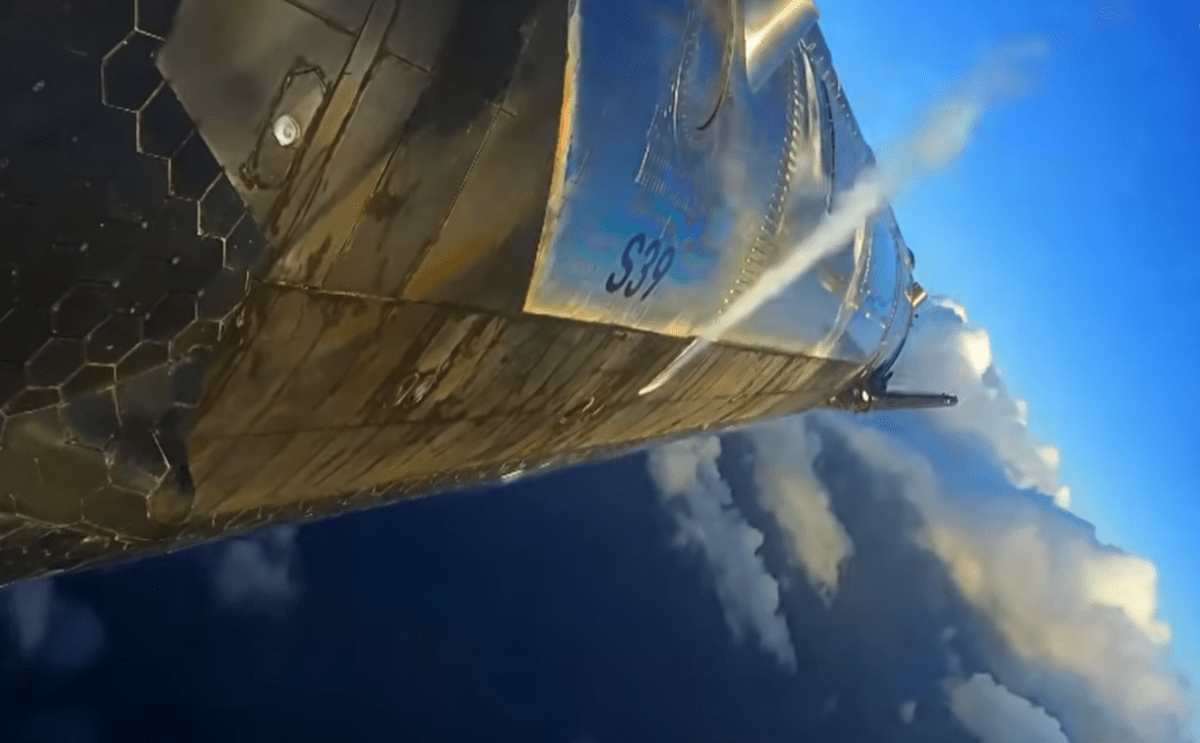
SpaceX’s recent IPO and Starship rocket test flight provided two major data points that provide a realistic vision for the coming years. The other could disappoint both the company’s promoters and critics.
Behind the impressive expectations of AI companies’ profits and plans for a moon base lies a more grounded reality. Disposable Starships may keep SpaceX afloat, but they won’t deliver on the cost-cutting frontier business model that Elon Musk is betting on.
SpaceX has many companies, but only one is currently generating significant revenue. The company’s satellite communications network, Starlink, is a pillar of the company’s initial public offering. The top line is pretty incredible. SpaceX’s connectivity business generated $11.4 billion in revenue last year, accounting for the bulk of the company’s revenue.
But beneath that, we see the capital investment treadmill that scared previous entrepreneurs away from this model. SpaceX has to replace about a fifth of its satellites every year just to maintain current service levels. The company has invested more in its satellite business ($11.4 billion) since early 2023 than in building Starship and launch infrastructure ($8.4 billion).
SpaceX’s S-1 filing with the U.S. Securities and Exchange Commission predicts that costs will continue to rise, but that improvements in technology are expected to reduce costs as a percentage of revenue.
Musk said Starship is the key to keeping Starlink’s costs down, and that without the spacecraft’s ability to cheaply replace these satellites, SpaceX could even go bankrupt. In that context, a notable note in SpaceX’s S-1 was the initial recognition that complete reuse of Starship would not be necessary to launch a new generation of Starlink satellites. However, if it cannot be fully reused, costs increase and business becomes less attractive.
“If this reusability is not achieved, launch costs on Starship may not be much cheaper than on Falcon 9 even if the full 100-ton capacity is realized (this is by no means a foregone conclusion),” satellite market analyst Tim Farrar wrote in a note to clients last week. “The cost per launch could reach $100 million (or $1000 per kg), but the tempo will still be limited by the speed of second stage production and first stage refurbishment.”
Last week’s test flight of the third version of Starship and its booster put those concerns to rest. The latest rocket’s first flight had problems with a key reusability feature: reigniting the Raptor rocket engines in both the booster and Starship for a controlled return to Earth. However, Starship deployed a pair of dummy satellites and two test vehicles into space.
This helps correct SpaceX’s prediction that the company will begin launching 60 high-throughput new generation Starlink satellites at a time later this year, increasing capacity by a factor of 20 compared to a single Falcon 9 launch. At first glance, this is a typical example of Musk’s timeline, but in reality it may be a prediction that Starship will be used up in its early launches. If that happens, SpaceX may not be able to rely on free money from satellites as much as it hoped, and its plans to launch a space data center may not be sustainable until the rockets can be reused.
Starlink growth slows down
At the same time, SpaceX’s S-1 signals that Starlink’s growth is slowing.
SpaceX’s total addressable market is calculated based on its ability to serve all fixed broadband subscribers or mobile devices worldwide. However, this is unlikely because Starlink does not compete on price with terrestrial fiber. The rest of the document suggests that SpaceX continues to view Direct-to-Device as a complement, rather than a replacement, to ground mobile providers.
Starlink has just over 10 million subscribers, more than any other satellite communications network. However, Farah noted that user growth slowed into the first quarter of 2026. Space consulting firm Quilty Space predicted earlier this year that SpaceX would end the year with 16.8 million subscribers. To do so, the company would need to roughly double its current quarterly growth rate, which may be difficult given recent price increases.
Growth is important to SpaceX. That’s because new Starlink users pay less than previous users. Starlink’s average revenue per user decreased from $99 in 2023 to $66 in the first quarter of 2026. This change was driven by expansion into new international markets that could not charge as high prices as developed countries. Without a rapidly growing user base, each new satellite launched will yield diminishing returns.
Increasing competition also threatens Starlink. Amazon’s Leo network is nearing the scale needed to put pressure on SpaceX, but it is awaiting an extension of the Federal Communications Commission’s deadline to launch 1,600 internet satellites by July.
Data in SpaceX’s filings shows bleak growth forecasts for the company as well as rivals like Blue Origin. Farrar said if SpaceX, which is far ahead of any other company, is feeling a slowdown in demand, that could mean the space broadband market is smaller than officials expected.
If you buy through links in our articles, we may earn a small commission. This does not affect editorial independence.
Source link

