
Close Menu
  • Home
  • Identity
  • Inventions
  • Future
  • Science
  • Startups
  • Spanish
What's Hot

Grandoreiro malware and BTMOB RAT campaign targets Windows and Android users

5 steps to manage shadow AI tools without degrading employee performance

Tech CEOs are clearly suffering from AI psychosis

Facebook X (Twitter) Instagram
  • Home
  • About Us
  • Advertise with Us
  • Contact Us
  • DMCA
  • Privacy Policy
  • Terms & Conditions
  • User-Submitted Posts
Facebook X (Twitter) Instagram
Fyself News
  • Home
  • Identity
  • Inventions
  • Future
  • Science
  • Startups
  • Spanish
Fyself News
Home » Trump administration allows Volvo to continue selling connected cars in the US
Startups

Trump administration allows Volvo to continue selling connected cars in the US
By May 26, 2026No Comments3 Mins Read
Share Facebook Twitter Pinterest Telegram LinkedIn Tumblr Email Copy Link
Follow Us
Google News Flipboard
Share
Facebook Twitter LinkedIn Pinterest Email Copy Link

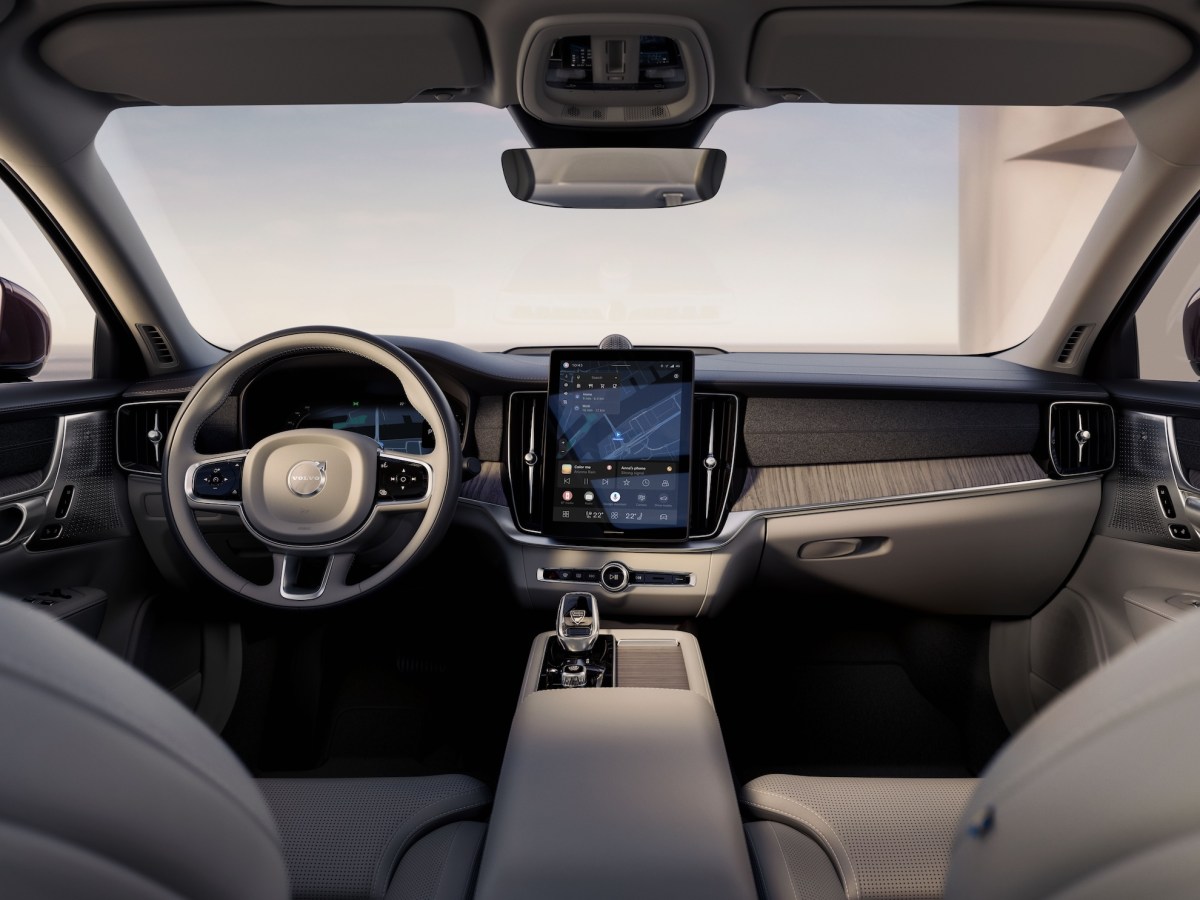
Volvo Cars has reached an agreement with the Trump administration that exempts the company from a U.S. crackdown on connected vehicle technology made in China.

The Swedish automaker, which is majority-owned by China’s Geely Holding, said Tuesday it has received special permission from the U.S. Department of Commerce to continue importing and selling vehicles equipped with Chinese connected car technology in the United States. Connected car technology includes software that covers everything from syncing with your phone to some self-driving features. Bloomberg first reported the special approval.

Volvo cars were banned under a rule finalized in January 2025 by the Biden administration that bans vehicles equipped with software or hardware developed and maintained by Chinese companies, citing national security concerns. The rule begins with 2027 model year vehicles equipped with software developed and maintained by Chinese companies. A separate ban on importing hardware connected to vehicles begins with 2030 model year vehicles.

Volvo cars are primarily manufactured in Sweden and imported to the United States, with the exception of the EX90, which is assembled at the company’s South Carolina plant. But Volvo’s relationship with China’s Geely Automobile, and its manufacturing operations in the country, meant it would be prohibited under the new rules.

Volvo said the approval followed “constructive discussions” with the Department of Commerce and other U.S. officials regarding the company’s governance, technology and data security. The company said it can now move forward with its expansion plans in the United States.

In September 2025, the company announced plans to produce two additional vehicles, the XC60 mid-sized SUV and a new hybrid vehicle, at its South Carolina plant. In March, Volvo announced that it would transfer all production of sister company Polestar’s EV “Polestar 3” to its U.S. factory. The Polestar 3 is also currently produced in Chengdu, China.

The rule, known as “Securing Supply Chains for Information and Communications Technology and Services: Connected Cars,” devotes significant time to the threat of vehicles equipped with self-driving systems developed by companies with ties to China.

Under the rules, Chinese companies will be prohibited from testing self-driving cars in the United States. Now, several of these companies, including Baidu’s Apollo Autonomous Driving LLC, Pony.ai, and WeRide, have received permits to test their self-driving technology (with a human safety operator behind the wheel) in California. TechCrunch reached out to the Department of Surface Transportation, the agency that regulates AVs in the state, to find out if those permits will be revoked.

If you buy through links in our articles, we may earn a small commission. This does not affect editorial independence.


Source link

#Aceleradoras #CapitalRiesgo #EcosistemaStartup #Emprendimiento #InnovaciónEmpresarial #Startups
Follow on Google News Follow on Flipboard
Share. Facebook Twitter Pinterest LinkedIn Tumblr Email Copy Link
Previous ArticleTrump administration wants nuclear startups to use plutonium in reactors
Next Article UK visa portal leaks passports and selfies of thousands of applicants online – leak still not fixed

Related Posts

Tech CEOs are clearly suffering from AI psychosis

May 27, 2026

UK visa portal leaks passports and selfies of thousands of applicants online – leak still not fixed

May 26, 2026

Trump administration wants nuclear startups to use plutonium in reactors

May 26, 2026
Add A Comment
Leave A Reply Cancel Reply

Latest Posts

Grandoreiro malware and BTMOB RAT campaign targets Windows and Android users

5 steps to manage shadow AI tools without degrading employee performance

Tech CEOs are clearly suffering from AI psychosis

GlassWorm malware removal disrupts developer supply chain attack infrastructure

Trending Posts

Subscribe to News

Subscribe to our newsletter and never miss our latest news

Please enable JavaScript in your browser to complete this form.
Loading

Welcome to Fyself News, your go-to platform for the latest in tech, startups, inventions, sustainability, and fintech! We are a passionate team of enthusiasts committed to bringing you timely, insightful, and accurate information on the most pressing developments across these industries. Whether you’re an entrepreneur, investor, or just someone curious about the future of technology and innovation, Fyself News has something for you.

Castilla-La Mancha Ignites Innovation: fiveclmsummit Redefines Tech Future

Local Power, Health Innovation: Alcolea de Calatrava Boosts FiveCLM PoC with Community Engagement

The Future of Digital Twins in Healthcare: From Virtual Replicas to Personalized Medical Models

Human Digital Twins: The Next Tech Frontier Set to Transform Healthcare and Beyond

Facebook X (Twitter) Instagram Pinterest YouTube
  • Home
  • About Us
  • Advertise with Us
  • Contact Us
  • DMCA
  • Privacy Policy
  • Terms & Conditions
  • User-Submitted Posts
© 2026 news.fyself. Designed by by fyself.

Type above and press Enter to search. Press Esc to cancel.
