
FAA orders SpaceX to investigate Starship V3 booster failure
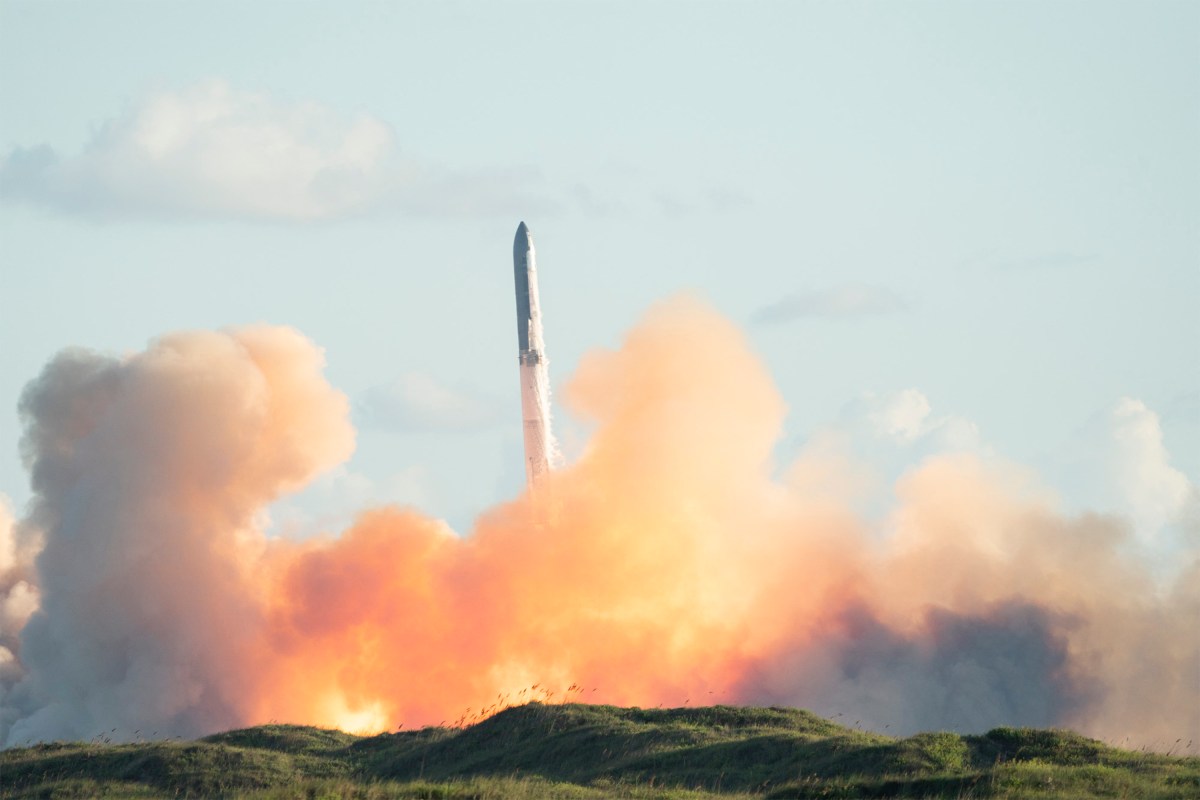
The Federal Aviation Administration (FAA) has ordered SpaceX to investigate why its Starship booster failed during the company’s May 22 test flight, according to a statement published Wednesday on TechCrunch.
This means SpaceX will have to pause future Starship test launches until the investigation is complete and the results are submitted to the FAA for approval, making it unlikely that another test launch will take place before the company’s expected mid-June IPO.
SpaceX did not immediately respond to a request for comment.
“After a thorough evaluation of the operation, the FAA determined that the May 22 launch of SpaceX Starship Flight 12 was an accident. The accident involved a super heavy booster returning to the U.S. Gulf after stage separation. There have been no reports of public injuries or damage to public property,” the FAA wrote. “The FAA will oversee the SpaceX-led investigation, be involved in every step of the process, and approve SpaceX’s final report, including any corrective actions.”
The problems with the Starship booster occurred minutes after the flight, the first launch of an upgraded version of SpaceX’s superheavy rocket system. The first “V3” starship was to pass through the point of maximum dynamic pressure and reach space, where the booster would separate from the ship and return to the Gulf for a simulated splashdown.
Booster separated from ship. But as it attempted to perform a sustained burn to propel the booster toward SpaceX’s launch site in South Texas, it quickly encountered an apparent engine failure, or a potential series of engine failures. This caused the booster to tumble into the bay, likely exploding on impact.
SpaceX has made a number of changes to the way Starship operates in this third version, aiming to make the rocket far more reliable than the previous 11 test flights. This includes tweaking the booster design, installing an all-new third-generation Raptor engine, and upgrading the Starship vehicle itself.
Starship lost one of its six Raptor engines and experienced a failure after its booster separated. This led SpaceX to abandon one of its flight test goals, which was to conduct another sustained burn in orbit with Starship.
Although SpaceX expects its rockets to fail in various ways during this development process, the ultimate goal is to create a rocket like the Falcon 9 that is not only reliable but also reusable. Creating reusable rockets is critical to reducing the costs associated with sending heavy payloads into space. As detailed in its IPO filing, SpaceX relies heavily on Starship’s reliability and reusability to continue growing its Starlink service, by far the company’s largest source of revenue and currently its only profitable business.
The FAA ordered SpaceX to investigate multiple accidents during Starship’s development. The federal agency also ordered SpaceX rival Blue Origin to implement them as the company develops its own heavy-lift rocket, New Glenn.
Just last week, the FAA gave New Glenn permission to fly again. Blue Origin is scheduled to conduct its fourth New Glenn test launch sometime next month.
If you buy through links in our articles, we may earn a small commission. This does not affect editorial independence.
Source link

