
SpaceX announces potential issuance of ‘significant’ stock in ‘future transactions’
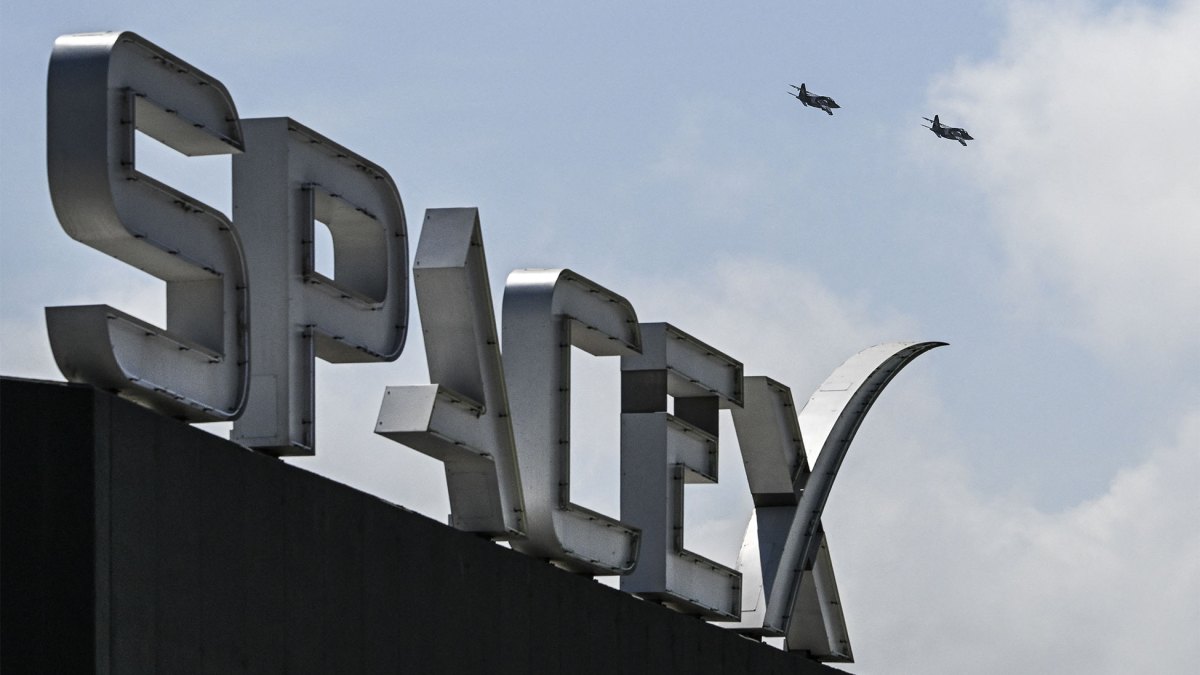
SpaceX is warning investors that it may release “significant amounts of stock” in “future transactions” following its upcoming IPO. The language was added amid persistent industry gossip that CEO Elon Musk plans to eventually merge the space and AI company with Tesla.
The new language was hidden deep in the risk factors section of the first official amendment to SpaceX’s IPO filing, released last month. The company added the following sentence at the end of the first paragraph of its risks about how mergers and acquisitions could become rampant:
We may issue significant amounts of stock in connection with future transactions.
SpaceX has been busy with M&A, acquiring Musk’s AI company xAI last year and recently signing a deal with Cursor that includes an option to buy a stake in the company after its IPO for $60 billion. It’s certainly possible that SpaceX has other goals in mind after it was reported that SpaceX will raise $75 billion when it goes public on the Nasdaq exchange (minus the $20 billion it will use to pay off former xAI and X debt). However, this warning appears to have been tailored to prepare investors for the possibility of a major dilution event, such as a future merger with Tesla.
Musk has been mulling the idea of merging his companies for years, and SpaceX’s IPO adds to the buzz that he might finally combine the two major companies. A merger of this size would face many legal and potential regulatory challenges and would likely need to pass a Tesla shareholder vote. But as the IPO filing showed, Musk has the highest voting power at SpaceX. The only person who could vote against the merger on that aspect of the term sheet would be Musk.
Musk’s voting rights in SpaceX would not be in jeopardy even in the event of major dilution. SpaceX has three main share classes heading into this IPO. They all have the same basic economic rights but different voting rights.
Class A shares are sold to the public and each share carries one vote. Class B shares are exclusively owned by Musk and each share has 10 voting rights. SpaceX also owns Class C common stock, which does not have any voting rights. These Class C shares are currently used for executive compensation, but Musk could use them to buy other companies without diluting his power. (SpaceX also has set aside Class D shares with reduced economic rights; the company has not yet determined whether those shares will have voting rights.)
If you buy through links in our articles, we may earn a small commission. This does not affect editorial independence.
Source link

