
Exclusive Founderland Fest Puts Founders Front and Center
Key Takeaways
Founderland is designed by founders for founders, as a smaller, curated alternative to massive trade shows.
The festival allows founders to make connections, compare notes, and get in front of people they might otherwise spend months trying to reach.
Retailers like Walmart use events like Founderland to discover emerging brands early
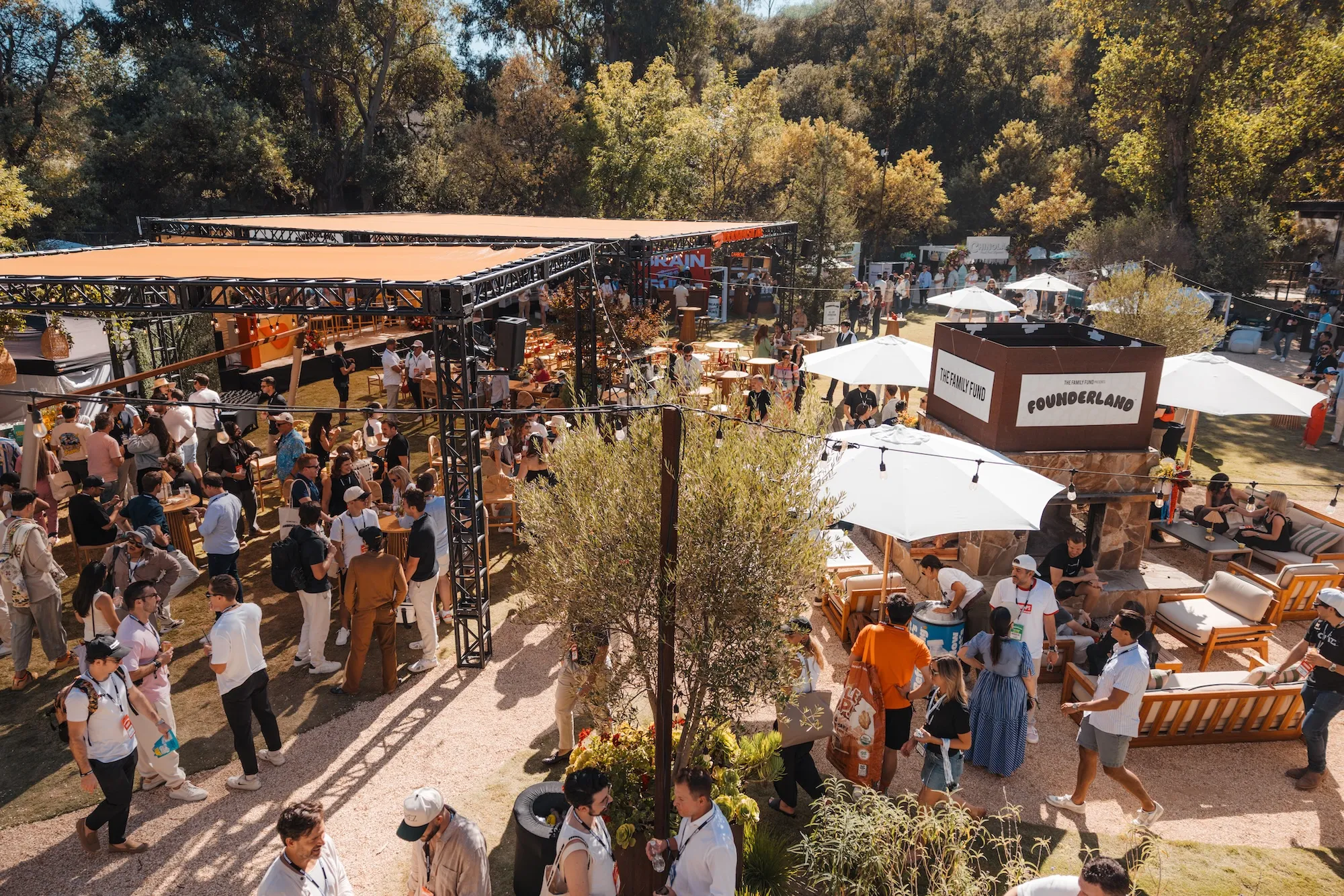
Most business conferences happen under fluorescent lights in anonymous, cavernous convention halls. Founderland is not most conferences. In fact, its founders, Sean Kelly, Shannon Kelly, and Josh Wand, insist it isn’t a conference at all. They prefer to call it a “founder festival.”
Set in the rolling hills of Calamigos Ranch in Malibu, the event feels more like Coachella than a business gathering. Founders mingle with retailers and investors over craft cocktails and product samples, while NBA legend and investor Chris Paul judges startup pitches from an outdoor stage.
That atmosphere is intentional. Shannon Kelly, who’s spent 15 years producing events, said the difference between a conference and a festival is “palpable.”
“At conferences, people often show up with an agenda; at a festival, you show up as yourself,” she said. The outdoor layout, unexpected spaces and loose flow are designed “to get people moving and lower their guard.”
A golden ticket
For a young consumer brand, scoring an invite can feel a little like finding a golden ticket. More than 1,000 founders, investors, retailers, and operators attended this year, including representatives from Walmart, Target, Whole Foods, and other major retailers. In addition to the brand exhibition area, Founderland has stages for startup pitches and panels, plus a Retail Den where founders can hear directly from buyers at major chains.
But unlike sprawling industry events such as Expo West or Shoptalk, Founderland is deliberately smaller and curated. The head count is intentional. “We have a very specific balance that we want,” Sean Kelly said, describing a guest list that includes young startups, growth-stage founders, established operators, retailers, and investors. “We want a real mix of early, mid-stage founders so that they can benefit from this.”
The laid-back setting and intimacy make it feel less like a sales floor and more like a place to compare notes, make connections and gather information. The point is to put founders in the same place as the people who can potentially fund them, stock their products, or simply tell them what they’re doing wrong.
“This is an event that we would have loved to have while we were founders,” said Kelly, who, with Josh Wand is also a General Partner at The Family Fund & Founder Community.
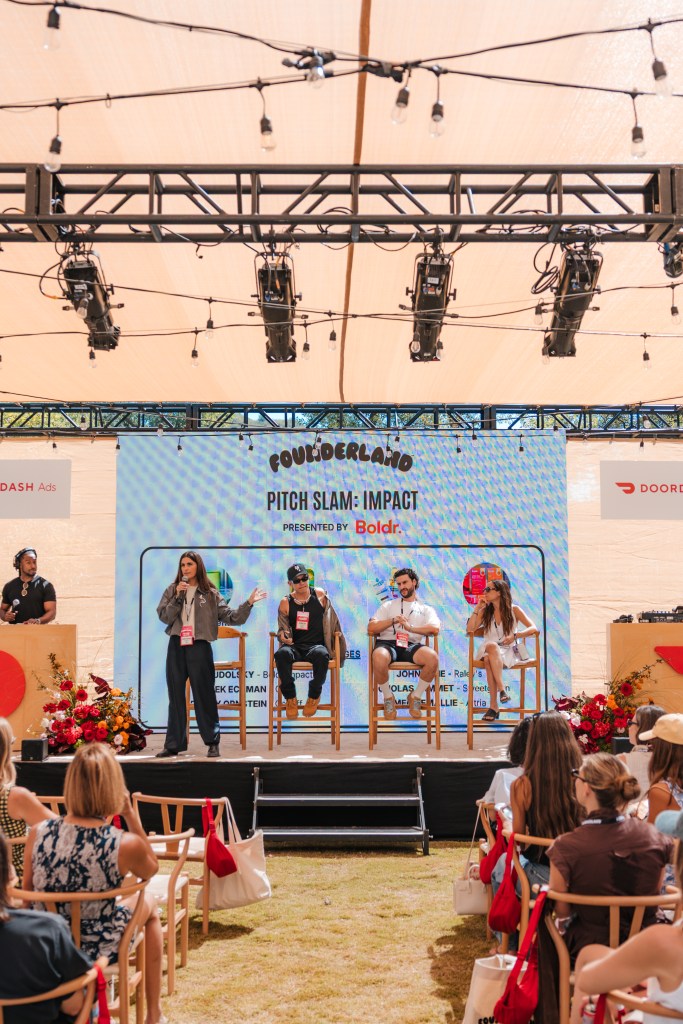
As its name implies, Founderland is an event that puts the focus on founders, who rarely get a chance to meet each other, let alone investors and retailers. “Being a founder or a CEO is really lonely sometimes,” said YuChiang Cheng, CEO of Hero Bread, who traveled from Washington DC with his dog to attend. “I just wanted to talk with other founders. My strategy here is to understand what other people are doing, see if I can help them, but also learn from them.”
For Alli Schaper, co-founder and CEO of functional mushroom brand SuperMush, the value was simply having so many useful people within shouting distance.
“You’re on Zoom calls all day trying to find the people that are here concentrated in one space,” she said.
Carlos Santos, founder of frozen empanada brand Nadas Foods, was there to pitch his pre-funded brand on the main stage and to make contacts.
“I brought maybe like 150 business cards,” he said, “and I’ve given them all away.”
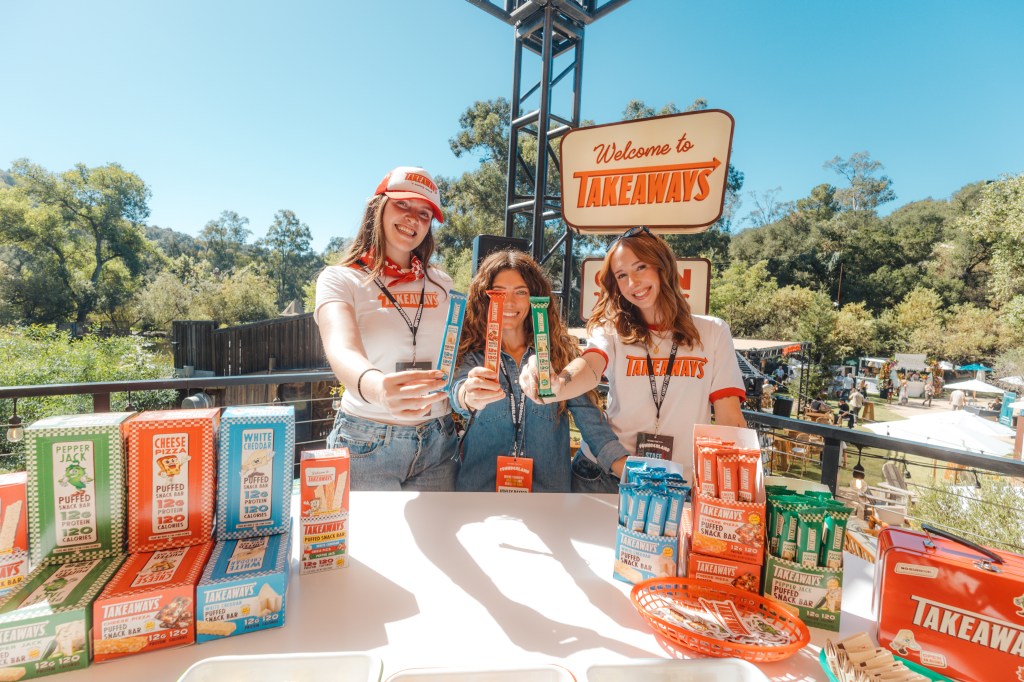
For Ash Baxter, founder and CEO of three-month-old savory protein bar startup Takeaways, one of the day’s highlights came when Justin Gold, founder of Justin’s, tried her product, liked it, and began telling other attendees about it.
For a young founder, sometimes the biggest win is simply a nod from founder royalty.
Being in the buyers orbit
The founders aren’t the only ones doing reconnaissance. Dee Charlemagne, Walmart’s Senior Director of Emerging Brands in Merchandising, said she comes to events like Founderland to meet companies early, understand what they’re building, and make sure Walmart is on their radar.
“We’re not trying to be first,” Charlemagne said. “We’re trying to be a really good partner.”
But rubbing elbows doesn’t guarantee a deal. Charlemagne advised founders to know their customer, understand where they fit in Walmart’s existing category, and, most importantly, know what they’re asking for.
That may be the real value of Founderland. Nobody is promising that a conversation over a cocktail will turn into funding or shelf space. But for founders used to chasing introductions and sending cold emails, rubbing elbows with influential people in a low-stress environment is a pretty cool start.
“My hope is every entrepreneur leaves Founderland feeling like they’ve stepped into the center of the consumer, health and wellness ecosystem,” Wand said, “surrounded by the leaders, relationships, capital and resources that can accelerate their journey.”
Key Takeaways
Founderland is designed by founders for founders, as a smaller, curated alternative to massive trade shows.
The festival allows founders to make connections, compare notes, and get in front of people they might otherwise spend months trying to reach.
Retailers like Walmart use events like Founderland to discover emerging brands early
Most business conferences happen under fluorescent lights in anonymous, cavernous convention halls. Founderland is not most conferences. In fact, its founders, Sean Kelly, Shannon Kelly, and Josh Wand, insist it isn’t a conference at all. They prefer to call it a “founder festival.”
Set in the rolling hills of Calamigos Ranch in Malibu, the event feels more like Coachella than a business gathering. Founders mingle with retailers and investors over craft cocktails and product samples, while NBA legend and investor Chris Paul judges startup pitches from an outdoor stage.
That atmosphere is intentional. Shannon Kelly, who’s spent 15 years producing events, said the difference between a conference and a festival is “palpable.”
Source link

