

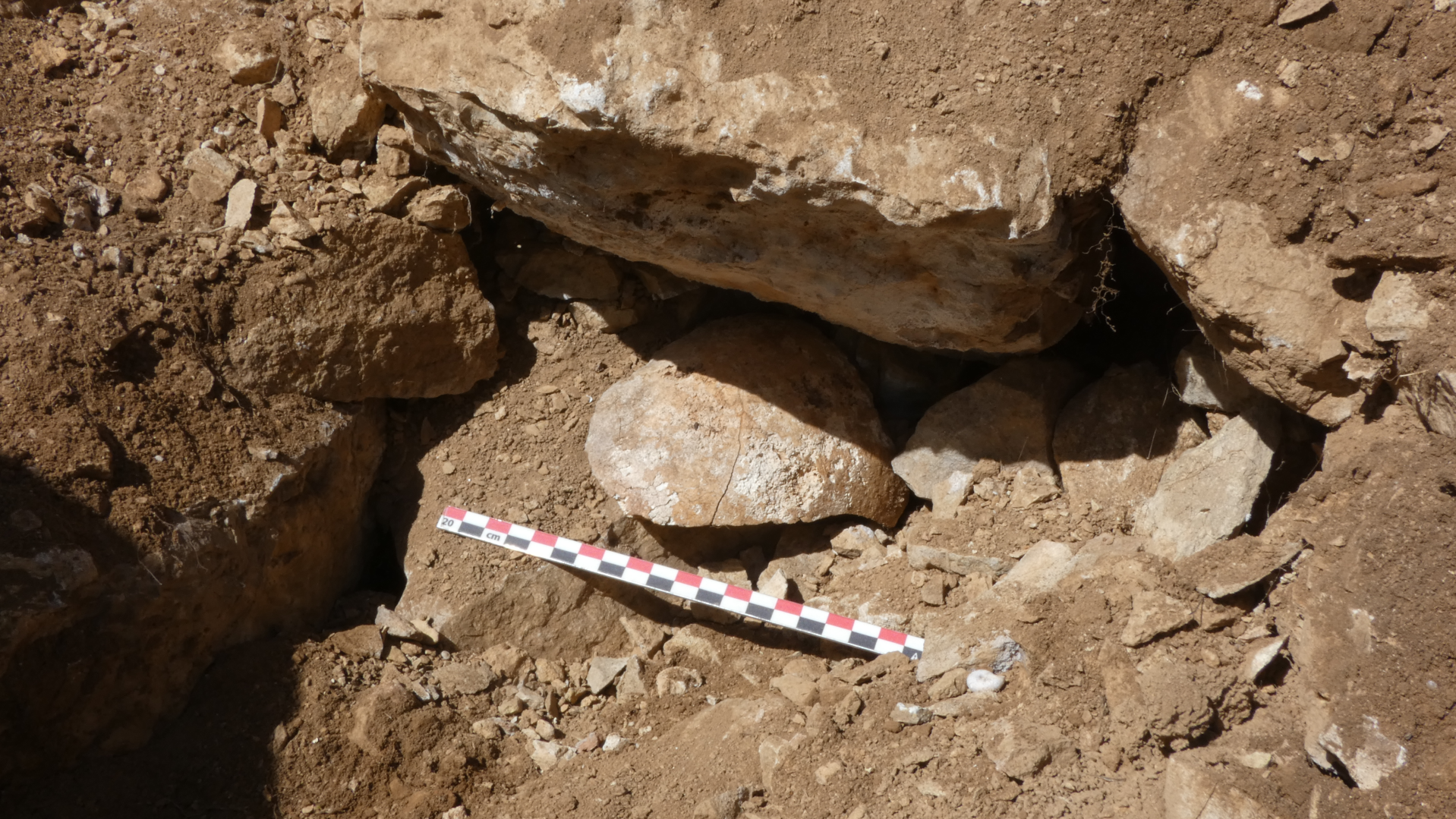
Archaeologists have discovered a human skull on the wall of a 2,000-year-old fortress in Spain. Study of their skulls revealed that local soldiers were brutally murdered by Roman troops, then beheaded and placed their heads on the walls of the fort as a warning to others.
In the 1st century B.C., Rome waged war against the Cantabrian tribe, fierce Celtic warriors who lived in what is now northern Spain, in an effort to gain control of the Iberian Peninsula. The Cantabrian Wars (29 BC to 19 BC) were fought in part by the first Roman Emperor Octavian (later known as Augustus) himself. During these wars, the Romans won a victory over the Cantaburi River in 25 BC at the siege of La Loma (“The Hill”), a fortified Celtic town in the present-day province of Palencia.
you may like
Archaeologists recovered hundreds of projectiles just outside the fort’s walls, revealing that La Loma had been exposed to a torrent of Roman arrows in its final hours. The ground was littered with fragments of armor and weapons that appeared to have been damaged in hand-to-hand combat between Cantabrians and Romans, the researchers wrote. After their success, the Roman army destroyed the city walls and destroyed the fort.
The human skulls were broken and scattered around the corners of the fort, but apparently belonged to a layer of debris from the collapse of the defensive walls, the researchers noted in their study.
DNA analysis of the skull identified it as belonging to a man, likely a local resident of the area, and researchers estimated that he was approximately 45 years old when he died. They found no evidence of the grave or the remaining skeletons.
Researchers suspect that the skull was exposed to the elements rather than buried, given its delamination, bright color, fragmentary condition, and lack of other bones.
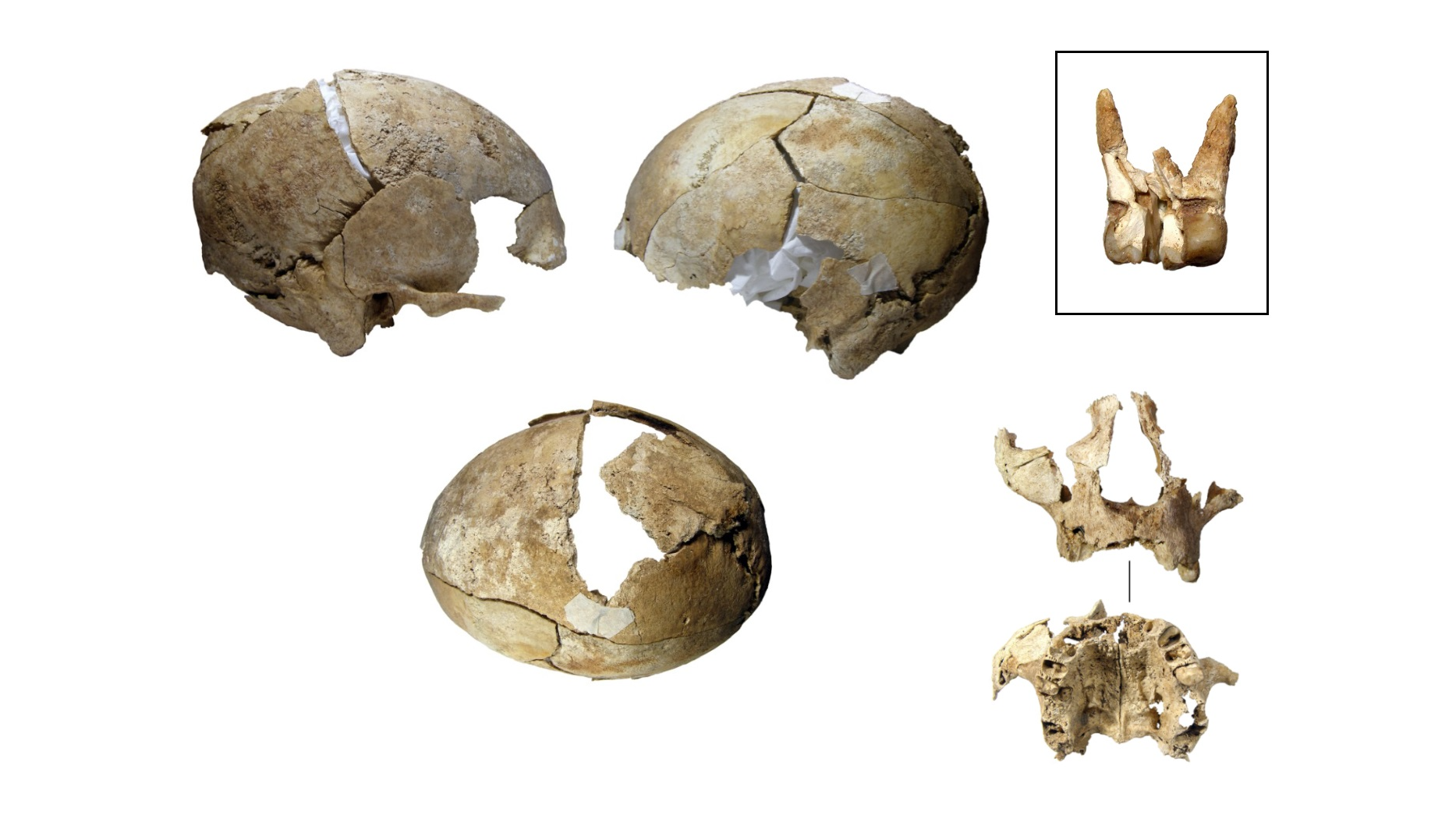
“The skull broke during the destruction of the wall,” Santiago Dominguez Solera, director of Eroica Archaeological and Cultural Heritage and lead author of the study, told Live Science in an email. “This means the head was exposed for several months.”
Researchers suspect that the man died while defending the fort, and that the Romans intentionally placed his head on the wall when they occupied the site.
“The head then fell next to the wall and was buried in the rubble created when the Romans destroyed the fortress and abandoned their position there,” the researchers wrote.
you may like
Research shows that Roman legions often exposed entire corpses and parts of defeated enemies, especially the heads and hands. “These punitive actions may have been part of an intimidation strategy,” the researchers wrote, with the decapitated heads serving as “war trophies.”
However, the exact circumstances of the display are unknown.
“We don’t know how the head was exposed,” Dominguez-Solera said. “There are no diagnostic marks on the surface of the bone that would suggest whether it was pierced by a pike, for example.”
Further research is planned at La Loma to better understand the vicious siege.
“This year we found other skull fragments, human skull fragments, in other parts of the world. [fort’s] “We will investigate for further evidence of punishment,” Dominguez-Sorera said.
Roman Emperor Quiz: Test your knowledge about the rulers of ancient empires
Source link
