

A huge reservoir of “secret” freshwater off the East Coast could supply a city the size of New York City for 800 years and may have formed during the last Ice Age, when the region was covered in glaciers, researchers say.
Preliminary analysis suggests that the reservoir, which lies beneath the ocean floor and appears to extend from the coast of New Jersey as far north as Maine, was locked in place under frigid conditions about 20,000 years ago and was formed during the last ice age, in part due to thick ice sheets.
you may like
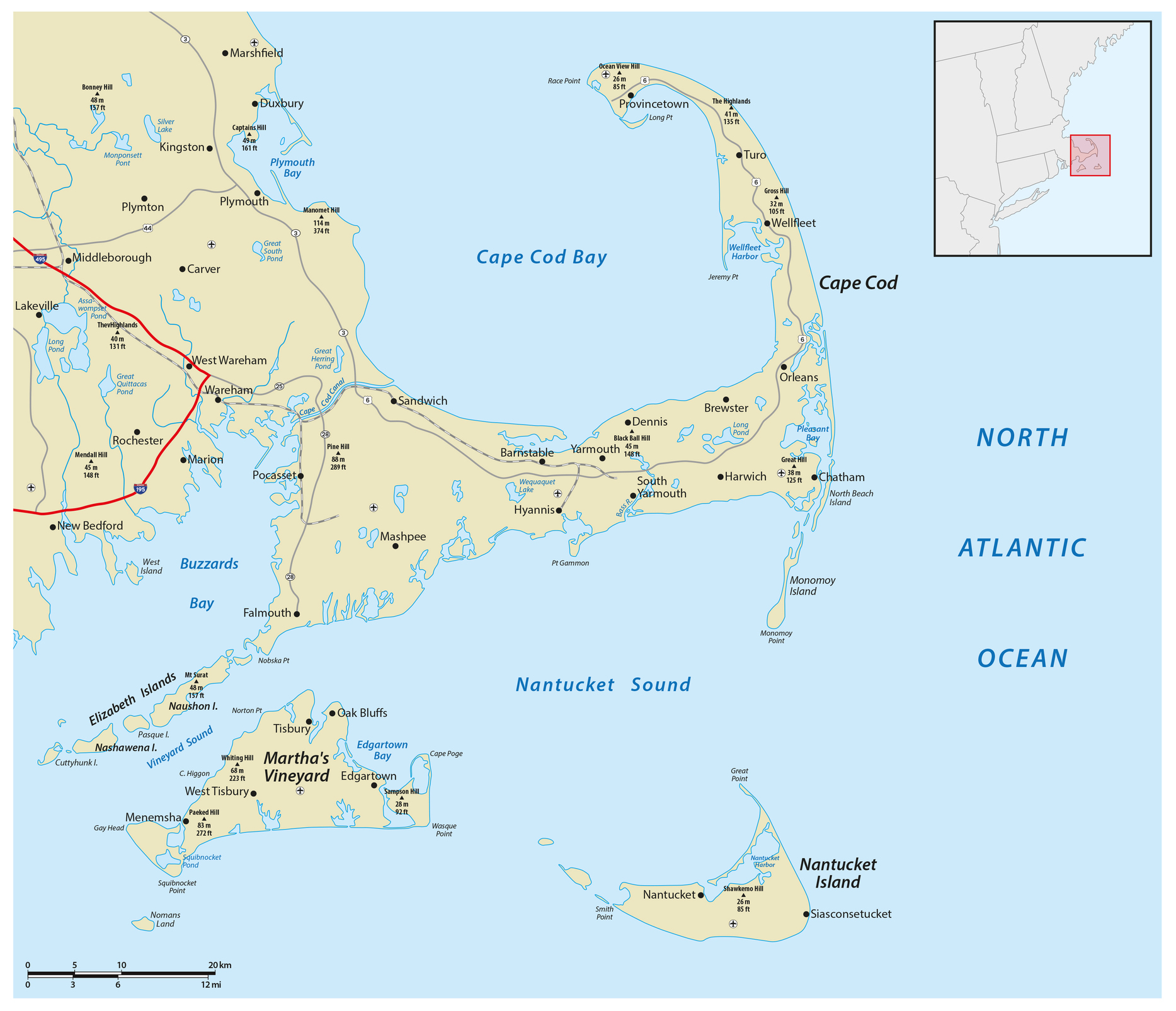
The expedition, known as Expedition 501, lasted three months and dredged 13,200 gallons (50,000 liters) of water from beneath the ocean floor at three locations off Nantucket and Martha’s Vineyard. The results have not yet been finalized, but so far it looks like the reservoir may extend further underground than early reports suggested, meaning it could be even larger than previously thought.
Dugan and his colleagues also believe they know the source of the reservoir, thanks to preliminary radiocarbon, noble gas and isotope analyses, he said.
Freshwater in this area was first described by the United States Geological Survey (USGS) 60 years ago during an assessment of marine mineral and energy resources between Florida and Maine. “In a very strange way, they found fresh water in sediments on the ocean floor,” Dugan said. “In the 1980s, some USGS employees came up with the idea of how to get that fresh water there. Then there was silence for a while. No one talked about it.”
In 2003, Dugan and Mark Parson, a hydrology professor at the New Mexico Institute of Mines and Technology, rediscovered these records and developed three ideas for how fresh water sinks to the ocean floor. One way submarine freshwater reservoirs form is when sea levels are so low for long periods of time that rainfall percolates into the ground. Then, as sea levels rise again over hundreds of thousands of years, that fresh water becomes trapped in underlying sediments, Dugan said.
A second possibility is that high mountains near the ocean are channeling rainwater from higher elevations directly to the ocean floor, he said. And third, related to the first hypothesis, as ice sheets expand and sea levels fall, freshwater reservoirs may form on the ocean floor. Melt water collects at the bottom of the ice sheet as it hits the rock and generates heat. The ice sheet’s enormous weight forces that water into the ground, trapping it beneath layers of sediment.
More than 20 years later, researchers are finally getting closer to an answer, with preliminary data showing that most of the fresh water came from glaciers sometime during the Last Ice Age (2.6 million to 11,700 years ago). “We excluded the vast terrain of New England because there are no large mountains next to the coast,” Dugan said. But glacier water “may be mixed with rainfall components,” he said. “You can imagine it raining in front of the glacier, so it’s probably a mixed system.”
The 501st Expedition took water samples from 20 to 30 miles (30 to 50 kilometers) off the Massachusetts coast. The researchers drilled to a depth of 1,300 feet (400 meters) below the ocean floor, which revealed a thick layer of fresh water-rich sediment beneath a layer of salty sediment and an impermeable “seal” of clay and silt.
you may like
“There is a sticker on the top [of the fresh water] “That’s what keeps the seawater above it from being freshwater below,” Dugan said. This seal is currently strong enough to separate the two layers, but was not strong enough to prevent the glacier from pushing water through. I had enough energy to wash it down with fresh water,” he said.
Salinity measurements showed that the freshness of the reservoir’s water decreases with distance from the coast, but remains well below ocean salinity in areas surveyed last summer. The drilling sites closest to Nantucket and Martha’s Vineyard have salinity levels of 1:1,000, the safe limit for drinking water. Further offshore, salinity was 4 to 5 parts per 1,000, and in the most remote locations, researchers recorded 17 to 18 parts per 1,000, or about half the ocean’s average salinity.
“The important thing is that we have collected all the samples we need to address the key questions,” Dugan said. “Once the excavation is complete and the equipment is pulled out, the hole collapses back and closes itself.”
Scientists are now studying the reservoir in more detail, including microorganisms, rare earth elements, pore space (which helps researchers better estimate the size of the reservoir), and the age of the sediment, which helps narrow down when the reservoir formed. More definitive results about when and how the reservoir formed are expected in about a month, Dugan said.
“Our goal is to provide an understanding of the system so that when someone needs to use it, they have an informed starting point, rather than recreating information or making ill-informed choices,” he said.
Source link
