

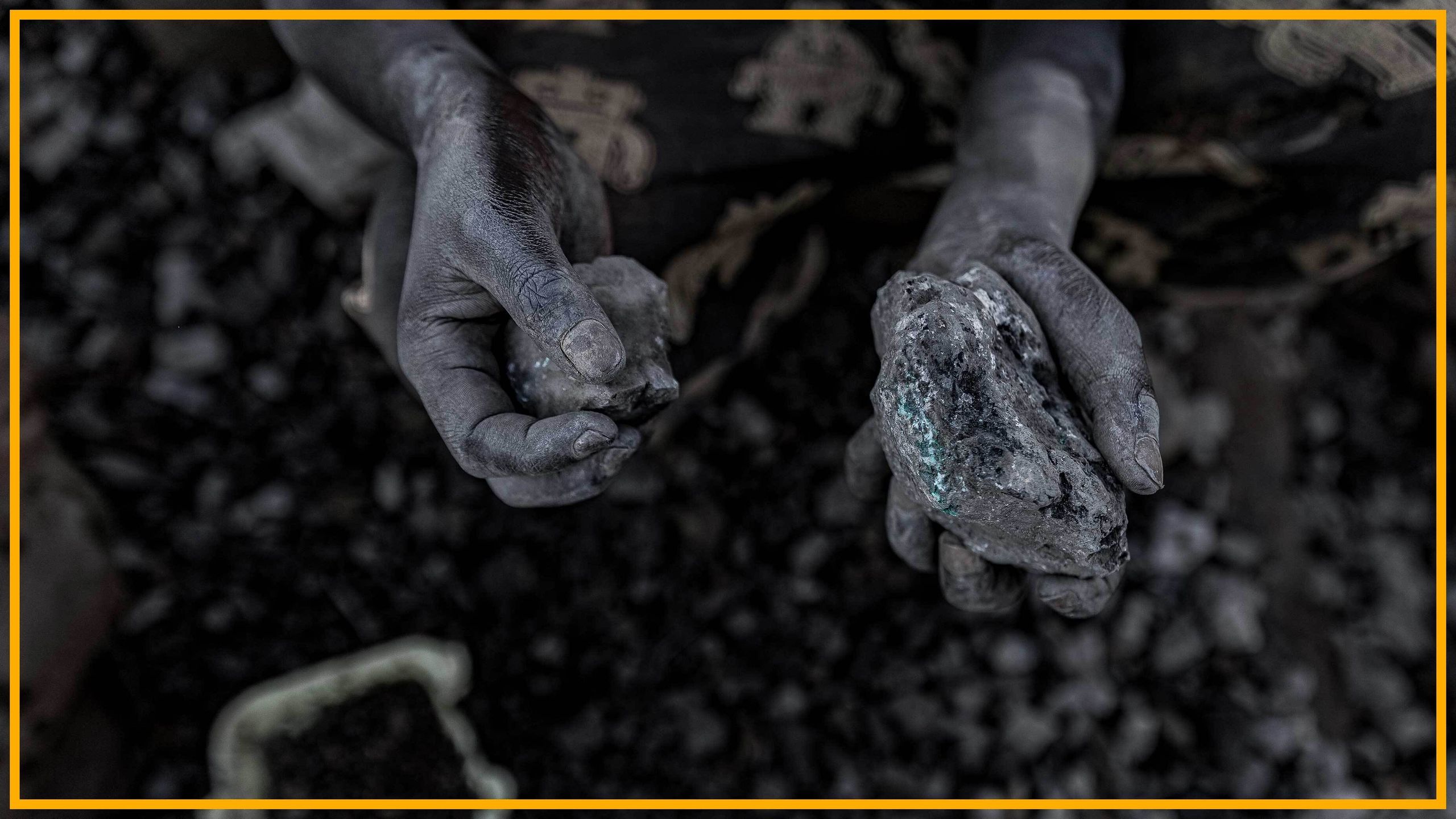
Behind the achievements of large-scale language models like Chat GPT lie efforts with complex environmental and social impacts, from mineral extraction by children in the Democratic Republic of the Congo, to training systems that subject people to violent and degrading images in countries like Nigeria, to vast, resource-hungry data centers in regions with cheap access to energy, water, and communications infrastructure. This means that the AI boom has the potential to create new resource production and consumption economies. This is perhaps more likely in communities that are already marginalized or have been affected by resource booms and busts in the past.
However, these costs are largely unrecognized and raise serious questions about sustainability, not only in terms of mineral resources but also in a broader moral sense. Do we want to build a society that profits from the suffering of the world’s most marginalized people? Will this ultimately tear society apart and lead to a politics of resentment?

Akhil Bhardwaj
Associate Professor of Strategy and Organization, University of Bath
Akhil Bhardwaj is Associate Professor of Strategy and Organization at the University of Bath, UK. He studies extreme events ranging from organizational disasters to radical innovations.
Grete Gansauer
Assistant Professor, Haub School of Environment and Natural Resources, University of Wyoming
Dr. Grete Gansauer is an assistant professor in the Haub School of Environment and Natural Resources at the University of Wyoming. She is an economic geographer and interdisciplinary public policy researcher focused on regional policy and the impact of sustainability transitions in rural and natural resource production contexts.
The journey to powering AI-generated text and images begins with the rare earth minerals used in computer chips. Rare earth minerals are “rare” because they are found in small, isolated pockets of the Earth’s crust and are difficult to extract through physical and chemical processes.
you may like
China currently dominates global rare earth production in mining and processing. The United States ranks second in mining, but lacks the infrastructure to process rare earths once they are out of the ground.
Many important minerals, such as lithium and cobalt, are also important for AI processing and storage. Unlike rare earths, which are designated by chemical properties, critical mineral designations are political, assigned to minerals of strategic, geopolitical, or national security importance.
Many of these minerals are found in areas that are currently war-torn (for example, Ukraine has Europe’s largest lithium reserves, and Russia is the world’s largest uranium producer). Other minerals, such as cobalt, are found in regions such as Congo, where many of the mines are controlled by Chinese interests.
Geopolitical concerns aside, these are certainly very important, but concerns also arise regarding labor practices. Many of these mines use artisanal mining, which is often a euphemism for child labor. Artisanal mining involves children digging for minerals by hand. These minerals are mixed with minerals extracted from industrial mining, making them impossible to trace. Working conditions can be horrendous, with high mortality rates, often due to exposure to air and water pollutants that cause terminal illnesses.
As a result, the demands of AI and highly digitalized economies will intensify resource production, potentially creating a new ‘resource curse’ on the peripheries of the Global North and South. The wealth generated by local workers is extracted and used to power some of the world’s most profitable digital services industries. The trap, then, is that communities whose material contributions are integrated into AI’s global value chains will once again become vulnerable to the same boom-and-bust dynamics that plague economies built on the production and extraction of other resources such as oil and diamonds.
Beyond mineral resource extraction, many AI models require significant training, which must be done by humans. LLM is trained on an increasingly large corpus of “tagged” data, including violent and pornographic content. Aside from the precariousness of gig work, the content itself can be highly anxiety-provoking and can have traumatic consequences for workers. Much of this work takes place in countries like Nigeria and India, where labor costs are low and workers have little protection.
Once these models are trained, running them requires using large data centers to cool the servers that process the models. These server farms/data centers consume huge resources of both energy and water. Such centers are a new business frontier with significant impacts on land use change and resource impacts.
you may like
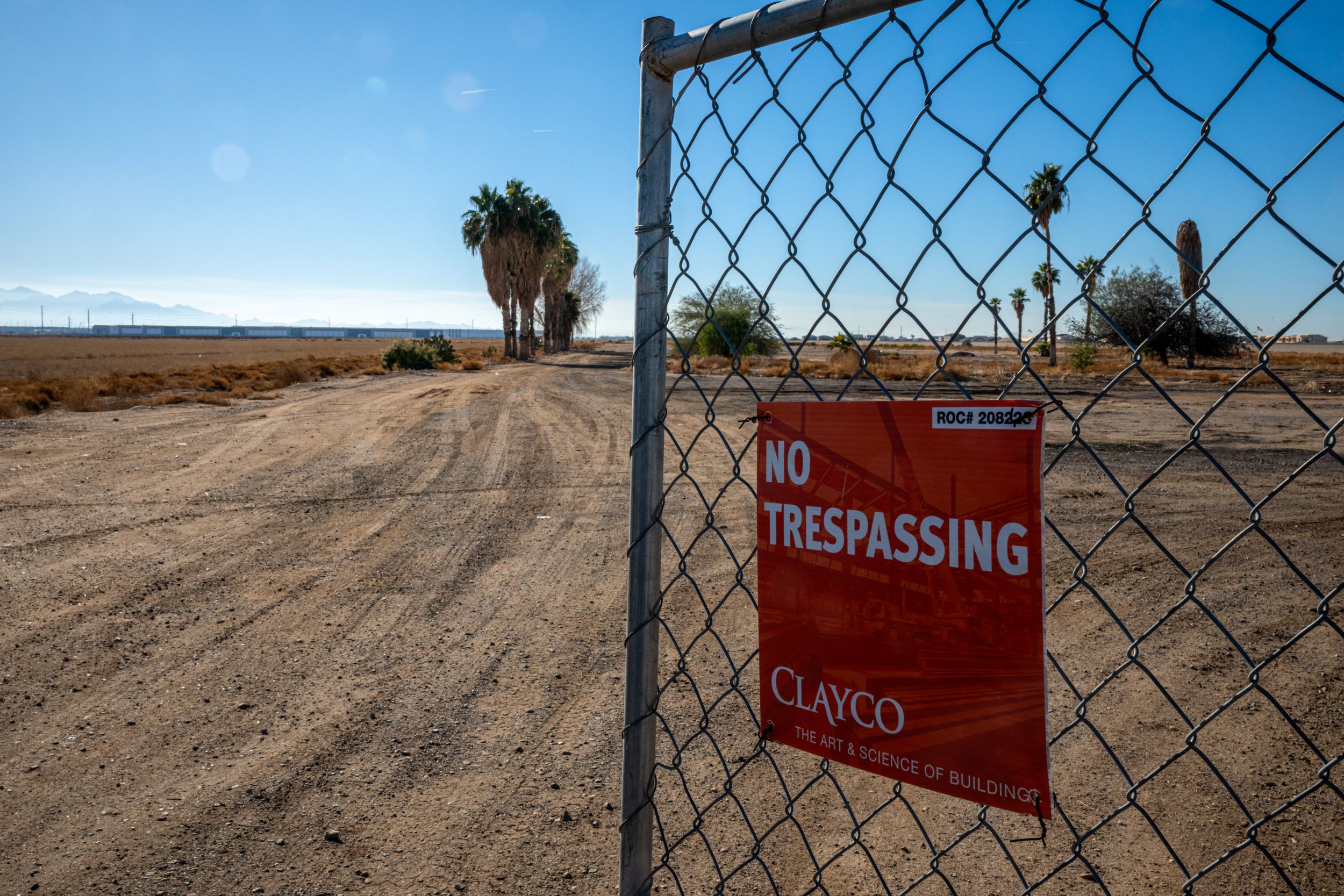
Private landowning companies are rapidly seeking resource frontiers that offer the most affordable combination of cheap land, cheap water, cheap energy, cheap access to transmission infrastructure, proximity to population centers, and cheap but skilled labor. But finding such geographic unicorns is difficult.
Many data centers are located or planned to be built in water-stressed regions such as Nevada and Arizona, where labor and land are cheap. This trend appears to apply worldwide. In addition to cheaper land, deserts have lower humidity, which reduces the chance of metal corrosion. These centers also face challenges with local power grid capacity, and energy is often purchased wholesale or “pre-market,” which can increase bills for the average consumer. Researchers estimate that using AI to create an email consumes half a liter of water.
Although there is a large movement around the world to embrace the use of LLMs, particularly attracted by the economic and labor efficiency gains and other potential benefits such as the use of LLMs for information retrieval, writing, and the automation of repetitive tasks, we need to be fully aware of the material and social costs it imposes. Do you need ChatGPT to write that email? Do you need to generate an image of a cat riding a banana?
Regardless of how we answer these questions, it seems we need to fundamentally reevaluate what it means to be sustainable. Embracing and promoting LLMs while claiming to be sustainable is questionable to say the least.
And do we really want the progress that an LLM can bring if it is built on the suffering of others? This is a question we as a society must answer urgently.
Opinion on Live Science provides insight into the most important issues in science that affect you and the world around you today, written by experts in the field and leading scientists.
Source link
