
Close Menu
  • Home
  • Identity
  • Inventions
  • Future
  • Science
  • Startups
  • Spanish
What's Hot

Inside the EU’s military innovation push

Fake Laravel packages on Packagist deploy RAT on Windows, macOS, and Linux

Artemis II mission sets stage for lunar return and beyond

Facebook X (Twitter) Instagram
  • Home
  • About Us
  • Advertise with Us
  • Contact Us
  • DMCA
  • Privacy Policy
  • Terms & Conditions
  • User-Submitted Posts
Facebook X (Twitter) Instagram
Fyself News
  • Home
  • Identity
  • Inventions
  • Future
  • Science
  • Startups
  • Spanish
Fyself News
Home » Are there any naturally occurring cat breeds?
Science

Are there any naturally occurring cat breeds?

userBy userJanuary 4, 2026No Comments4 Mins Read
Share Facebook Twitter Pinterest Telegram LinkedIn Tumblr Email Copy Link
Follow Us
Google News Flipboard
Share
Facebook Twitter LinkedIn Pinterest Email Copy Link

Of the more than 600 million cats worldwide, less than 10% belong to any particular breed. But are these purebred cats the result of human intervention, or are some naturally occurring?

The answer is more complicated than you might think. Most cat breeds have developed over the past 140 years as a result of human selection for specific physical characteristics, said Leslie A. Lyons, a cat geneticist at the University of Missouri School of Veterinary Medicine.

However, a select few cats are known as “natural” cat breeds because they originate from cat populations that evolved over thousands of years of natural environmental factors. These natural cat breeds include some of today’s most beloved breeds, such as the Maine Coon, Siberian, Russian Blue, Norwegian Forest Cat, Turkish Van, and Egyptian Mau.

you may like

According to Sarah Hartwell, a cat genetics enthusiast and founder of the cat resource MessyBeast, the ancestors of natural breeds are formed under the same conditions as wild breeds.

“Natural varieties can be thought of as a step on the road to speciation,” she told Live Science. Most often they are formed as a result of environmental adaptation. Cold, snowy conditions in western Russia favored thick-furred and big-boned cats, which formed the basis of the Siberian forest cat breed. In Southeast Asia and the Indian Ocean, the warm, humid environment suited cats with short hair, slender bodies, and large ears, and this was the setting for the birth of the Abyssinian cat.
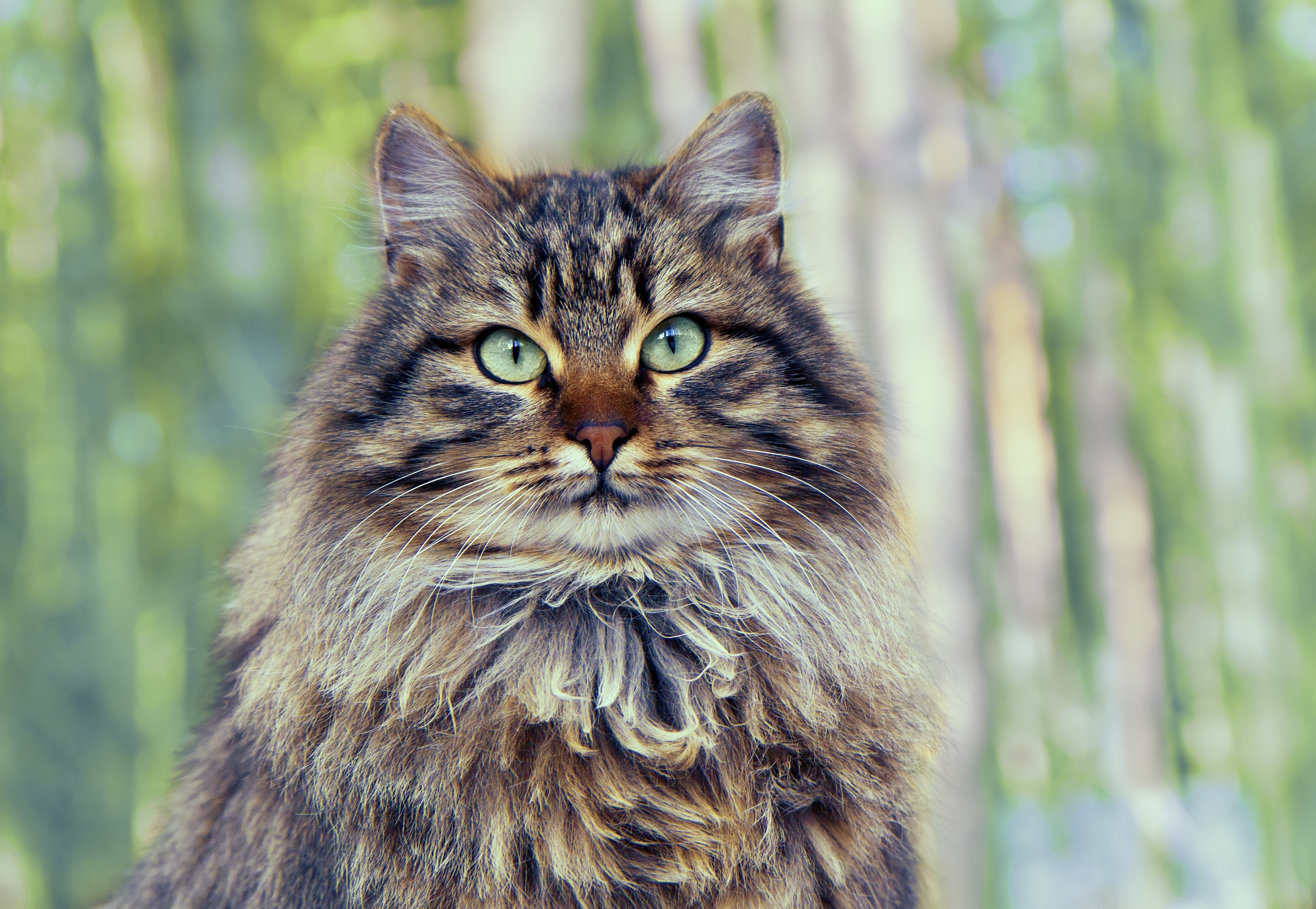
Vintage portrait of a cute Siberian cat sitting in the pine forest.

The Siberian Forest Cat is a “natural” cat breed, meaning that it is descended from cats that evolved without human intervention. (Image credit: vvvita/Getty Images)

In some cases, natural varieties may arise as a result of geographic isolation. This phenomenon, known as the founder effect, occurs when a population’s isolated gene pool is so small that genes that are not advantageous to the animal’s survival spread. On the Isle of Man (a British Crown dependency in the Irish Sea), a short-tailed mutation spread as a result of inbreeding, creating the ancestor of the Manx cat. Unfortunately, Manx cats can suffer from spinal defects due to this tail mutation.

Although the ancestors of natural breeds evolved under natural conditions, modern cats of these breeds are no longer so “natural”.

“Regardless of the species, all varieties have been influenced by humans,” Lyons told Live Science. According to a study published in the journal Animal Genetics that she co-authored, cat breeding has increased rapidly over the past century, removing the environmental pressures that created natural breeds.
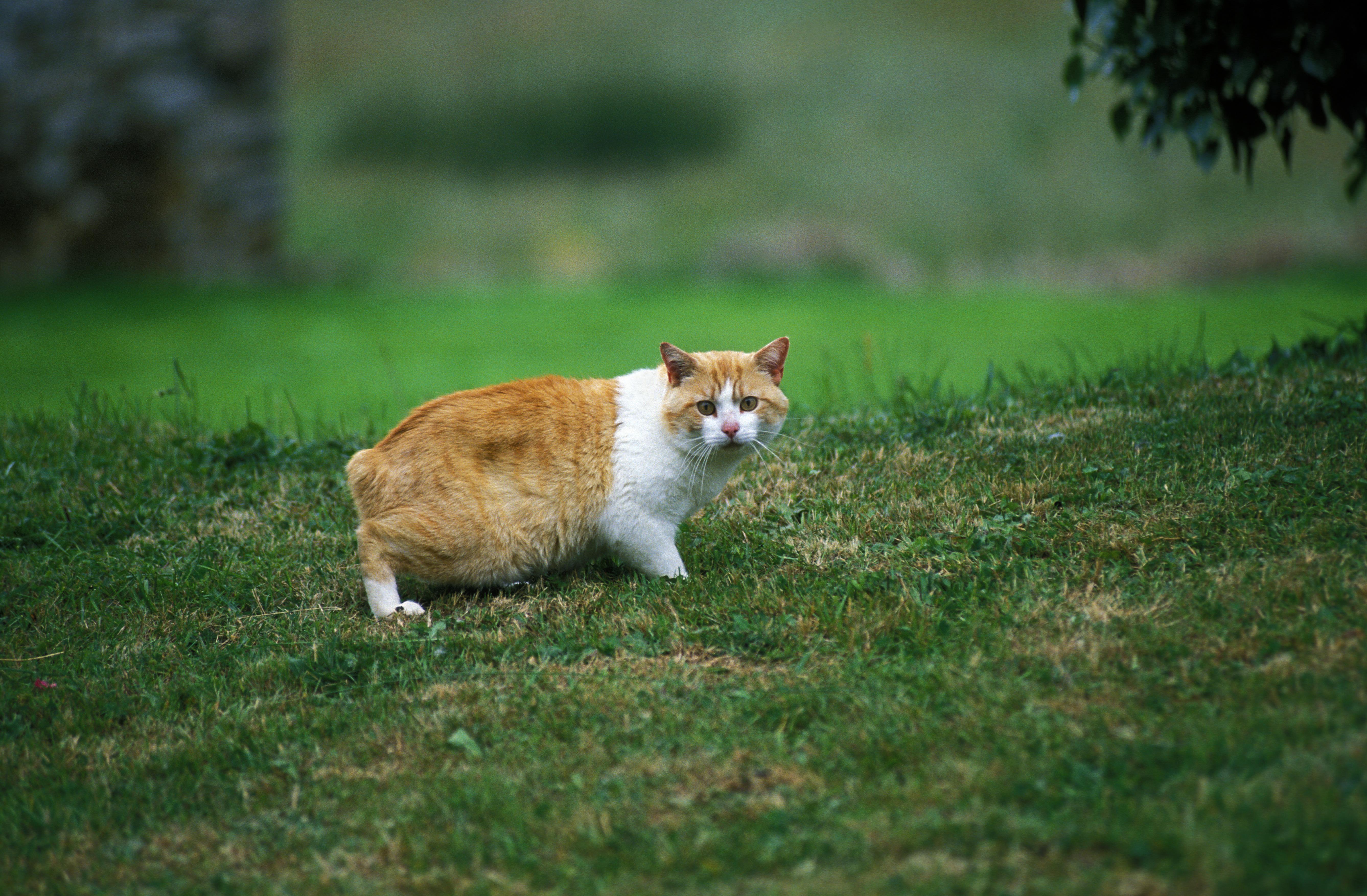
Manx domestic cat, steppe tailless breed

The Manx cat’s tail is short and widened as a result of ancient inbreeding. (Image credit: slowmotiongli/Getty Images)

For example, the Manx species likely went extinct naturally due to a lack of genetic diversity and the negative effects of the short-tail mutation. As a result of intentional breeding by humans, it is still widely used today. But some people try to eliminate it.

“The idea is to either retire this breed or find a way to make it healthier,” Lyons told LiveScience. “Maybe we [work toward] A Manx with a tail. ”

you may like

Some varieties that once existed naturally are more closely related to their roots than others. For example, modern Siberian cats are genetically and physically similar to their ancestors because breeders regularly bring in new cats found as strays or pets in the breed’s homeland to add to their breeding programs.
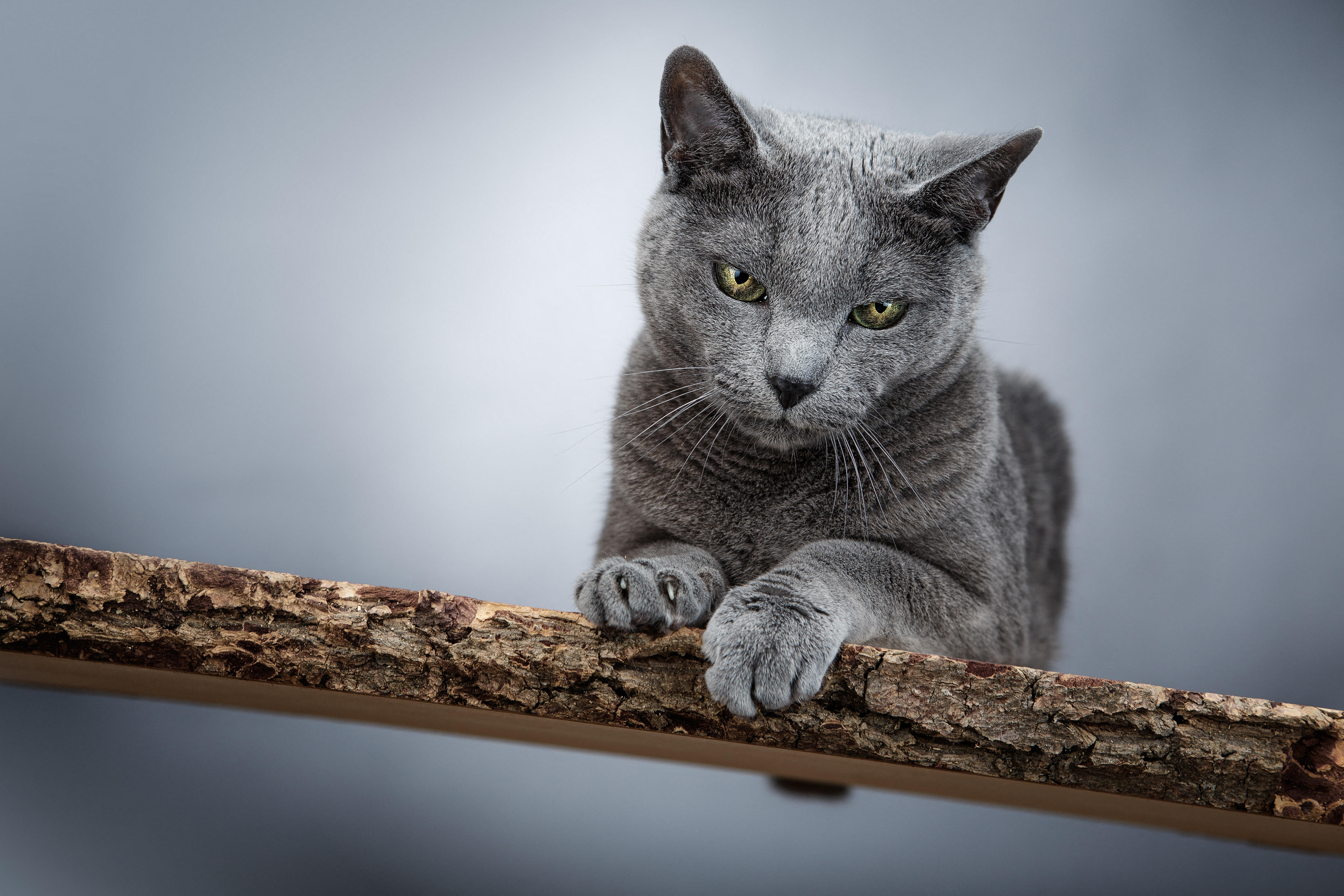
Russian blue cat portrait on wooden board

The Russian Blue cat’s ancestors originated in nature, but due to selective breeding and hybridization, modern Russian Blues are genetically and physically different from their ancestors and from each other. (Image credit: Nailia Schwarz/Alamy)

Other breeds have been modified both genetically and physically from their original appearance. For example, Russian Blues were bred with Siamese cats after World War II to prevent the breed from becoming extinct, but breeders have since divided them into specific “types” that look different from the original cats.

Certainly, “natural” cat breeds exist, but they are not completely natural. The typical characteristics of a Maine Coon purchased from a breeder, such as large size, square jaw, and feet that often have six or more toes, may be similar to the Maine Coon discovered in the 1800s, but they have been preserved and, in some cases, exaggerated through artificial selection.

“It all depends on popularity and what people like,” Lyons told Live Science. “Even if one cat strain becomes so popular that the breed’s appearance changes, the next new fad could send it back in a different direction.”

Cat Quiz: Can you purr?


Source link

#Biotechnology #ClimateScience #Health #Science #ScientificAdvances #ScientificResearch
Follow on Google News Follow on Flipboard
Share. Facebook Twitter Pinterest LinkedIn Tumblr Email Copy Link
Previous ArticleCalifornia residents can request brokers delete personal data using new tool
Next Article Subtle releases noise canceling model earphones
user
  • Website

Related Posts

‘Blood Moon’ total lunar eclipse on March 3 will attract millions of people around the world (photos)

March 3, 2026

Vanuatu’s ‘barefoot volcanologist’ stands on Mount Yasur, spewing ash and sulfur, captured in award-winning photo

March 3, 2026

The Lady of Elche: A 2,400-year-old bust of a mysterious “noble” woman from pre-Roman Spain

March 2, 2026
Add A Comment
Leave A Reply Cancel Reply

Latest Posts

Inside the EU’s military innovation push

Fake Laravel packages on Packagist deploy RAT on Windows, macOS, and Linux

Artemis II mission sets stage for lunar return and beyond

APT41-linked Silver Dragon uses Cobalt Strike and Google Drive C2 to target governments

Trending Posts

Subscribe to News

Subscribe to our newsletter and never miss our latest news

Please enable JavaScript in your browser to complete this form.
Loading

Welcome to Fyself News, your go-to platform for the latest in tech, startups, inventions, sustainability, and fintech! We are a passionate team of enthusiasts committed to bringing you timely, insightful, and accurate information on the most pressing developments across these industries. Whether you’re an entrepreneur, investor, or just someone curious about the future of technology and innovation, Fyself News has something for you.

Castilla-La Mancha Ignites Innovation: fiveclmsummit Redefines Tech Future

Local Power, Health Innovation: Alcolea de Calatrava Boosts FiveCLM PoC with Community Engagement

The Future of Digital Twins in Healthcare: From Virtual Replicas to Personalized Medical Models

Human Digital Twins: The Next Tech Frontier Set to Transform Healthcare and Beyond

Facebook X (Twitter) Instagram Pinterest YouTube
  • Home
  • About Us
  • Advertise with Us
  • Contact Us
  • DMCA
  • Privacy Policy
  • Terms & Conditions
  • User-Submitted Posts
© 2026 news.fyself. Designed by by fyself.

Type above and press Enter to search. Press Esc to cancel.