
Backrooms brings to life the internet horror trend behind liminal spaces
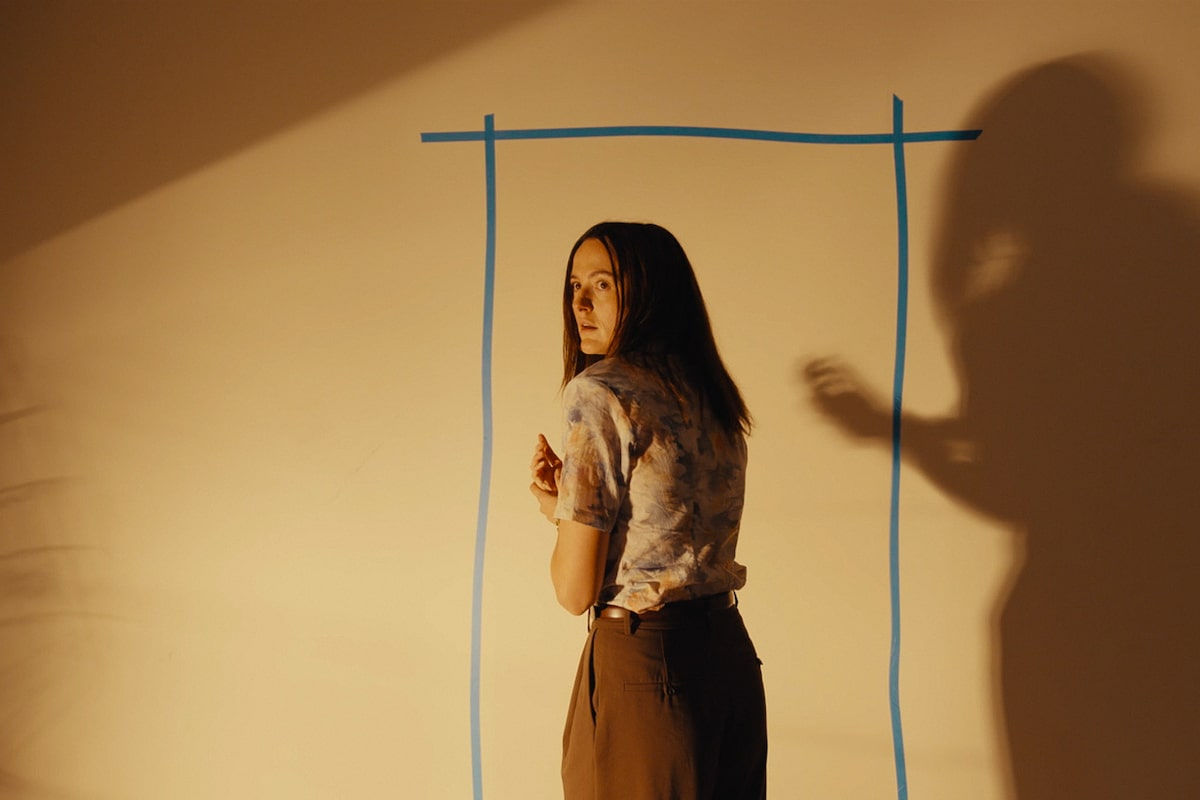
Renate Reinsve in a scene from “Backrooms.”No credit/AP
Most Canadians have encountered liminal spaces without even realizing it. Think empty airport lounges, windowless building hallways, and abandoned strip malls. Film director Kane Parsons’ debut film, Backrooms, brings these eerie spaces to the screen.
The concept of “liminality” was introduced in 1909 by anthropologist Arnold van Gennep. He used it to describe the awkwardness and anxiety someone feels during a rite of passage. It is the precarious feeling of standing on the threshold of transition between two states of life.
Fast forward to 2019. Users on the online bulletin board 4chan posted photos of so-called liminal spaces, such as rooms and buildings used to move from one area to the next, that look eerie and unsettling when abandoned.
An anonymous 4chan user took this concept a step further and proposed the theoretical reality that liminal space lasts forever. They called this imaginary space the “back room.”
In 2022, 16-year-old Parsons created a YouTube video called “The Backrooms (Found Footage)” using 3D animation software. In this video, a teenage boy escapes from reality and lands in an endless labyrinth of liminal space inhabited by violent monsters with a handheld camera. The video, which has been viewed 78 million times to date, is the first in a series in which scientists try to explore and study back rooms without getting lost.
Kane Parsons (left) and Chiwetel Ejiofor on the set of “Backroom.”Asterios Mutskapas/Associated Press
Parsons is currently the director of A24’s “Backrooms,” in which British actor Chiwetel Ejiofor bravely explores his own liminal labyrinth.
This isn’t the first time an online horror story has turned into a Hollywood production. Slender Man, a spindly, faceless humanoid in a suit who kidnaps children, was created by Eric Knudsen on the Something Awful forum in 2009 and later used in the viral Marble Hornets YouTube series. The character was the basis for the 2018 film Slender Man, which grossed $51.7 million at the global box office.
Jeffrey Tolbert, associate professor of American studies and folklore at Penn State Harrisburg, said smart production companies are starting to adapt these online stories because they have a built-in audience.
“The movie ‘Slender Man’ is one example. There is a rich tradition of existing stories here that have been created for free by countless semi-anonymous internet users,” Dr. Tolbert said.
Back Rooms Movie Review: A lively thriller that goes from creepy to sleepy
While online horror stories like Slender Man are based on the boogeyman, Backrooms is unique in its focus on what University of Central Florida professor Natalie Underberg Good, who has written about liminal spaces, jokingly calls “boogie space.”
“These spaces almost scream that they should be occupied, not just empty,” said Dr. Underberg-Good. The solitude and endlessness of the backroom may be frightening for some, she added, because it “never arrives.”
“Back Rooms,” like Slender Man, is part of an online form of horror storytelling in which social media and forum users, often people who grew up on the internet, work together to develop complex worlds and folklore, she said. “It’s meaningful to people to participate in these online spaces,” she says. “You are part of a group that helped create something.”
The concept of liminal space may have been popularized during the pandemic lockdown because people “didn’t know when they would be able to escape” from their homes, she added.
The outdated technology used in liminal media, such as VHS tapes and handheld video camera effects, also “obscures our understanding of time,” says Julio Ginter-Agreda, who studied the topic for his master’s thesis in architecture at the University of British Columbia. This effect is also seen in the Apple TV+ drama Severance, where the protagonists work on boxy computers equipped with trackballs, send video messages to people using VHS players, and dance to music played on vinyl records, despite being trapped in a secluded underground office with endless disorienting hallways and a futuristic security system.
Ginter-Agreda said the use of this old technology allows stories with liminal spaces to be turned into metaphors about change, such as how people view corporate life. He noted that stories involving liminal spaces often use “common” recognizable details of office architecture, such as acoustic carpeting, wallpaper, fluorescent lighting, and suspended ceiling tiles.
Because of this, he said, Back Room “resonated a lot with a new generation” concerned about work-life balance in a tense job market. “You might think you’re going to be stuck in a space like this for the rest of your life. Office culture is no longer as glorified as it was back in the day, when we heard about it from our parents.”
Dr. Tolbert believes Backroom is a key moment for the future of online stories adapted into horror films.
And with Parsons serving as director, Ginter-Agreda has “full confidence” that the film’s portrayal of backrooms and liminal spaces will do justice.
“Given the success of a show like ‘Severance,’ and the critical acclaim it received, I think this production provides a really good model for how to be successful: how to really hone in on that creepiness, and how to not be afraid to turn a space into a monster,” he said.
Source link

