
Close Menu
  • Home
  • Identity
  • Inventions
  • Future
  • Science
  • Startups
  • Spanish
What's Hot

The Legal Revolution is Digital: Meet TwinH, Your AI Partner in the Courtroom of the Future

Reddit says it’s considering further acquisitions in ad tech and other areas

Here’s how Roblox’s age check works

Facebook X (Twitter) Instagram
  • Home
  • About Us
  • Advertise with Us
  • Contact Us
  • DMCA
  • Privacy Policy
  • Terms & Conditions
  • User-Submitted Posts
Facebook X (Twitter) Instagram
Fyself News
  • Home
  • Identity
  • Inventions
  • Future
  • Science
  • Startups
  • Spanish
Fyself News
Home » Breakthrough in graphene supercapacitors could improve energy storage capabilities in future EVs and other household devices
Science

Breakthrough in graphene supercapacitors could improve energy storage capabilities in future EVs and other household devices

userBy userDecember 23, 2025No Comments3 Mins Read
Share Facebook Twitter Pinterest Telegram LinkedIn Tumblr Email Copy Link
Follow Us
Google News Flipboard
Share
Facebook Twitter LinkedIn Pinterest Email Copy Link

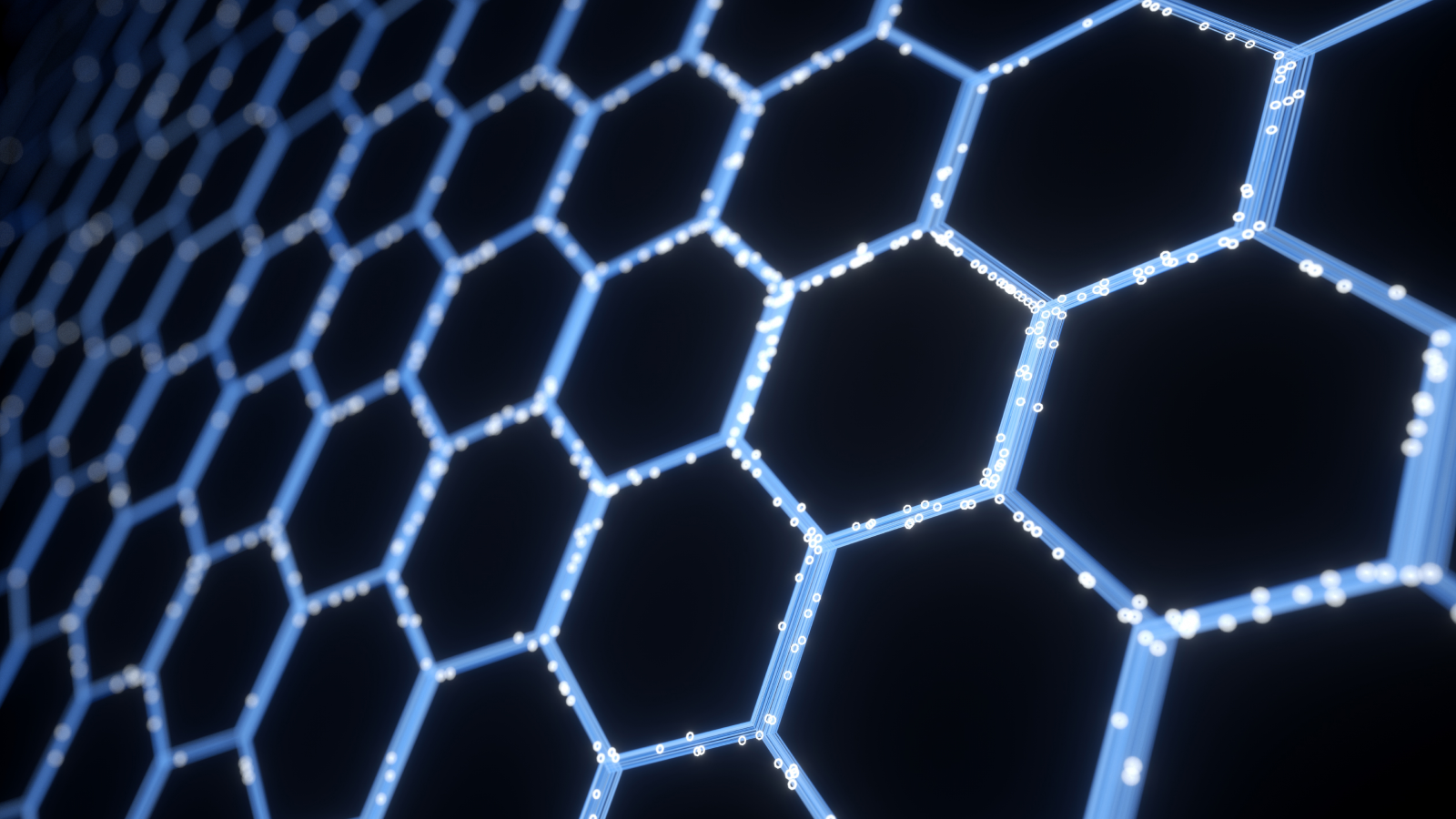
Scientists have discovered a new way to manipulate graphene to create a material with record energy and power density.

This new form of graphene, when incorporated into energy storage devices called supercapacitors, could be the key to high-capacity, fast-charging energy storage that can deliver power faster than traditional batteries, the researchers said in a statement.

The new material, called multiscale reduced graphene oxide (M-rGO), is made from graphite, a globally abundant resource. The researchers incorporated this into a pouch cell, a type of rechargeable battery that is packaged in a thin, flexible laminated foil envelope instead of hard metal. The scientists published their findings on September 15 in the journal Nature Communications.

you may like

Pouch cells are used in electric vehicles, drones, wearable electronics, laptops, smartphones, and tablets. Building them from M-rGO could lead to improvements in overall capacity, charging time, and the ability to power more complex and power-hungry devices with smaller batteries, the researchers say.

absorb power

While traditional batteries store energy through chemical bonds, supercapacitors are electrochemical capacitors that store energy as separate charges on the electrode surface. Compared to traditional batteries, they have advantages in terms of energy density (how much energy they can store in a specific space) and power density (how quickly they can deliver energy per unit volume).

But until now, supercapacitors have been hampered by one significant limitation. That means supercapacitors can only use a fraction of the potential energy storage of the material they are made from.

This limitation is due to graphene’s physical structure. This has the advantage of allowing for higher density electrodes (the solid conductors in the battery where charge is stored), but its use of space is highly inefficient. For example, simply stacking graphene on top of each other is inefficient because the sheets get too close together and don’t leave enough space for the ions that need to move in and out to store energy.

Get the world’s most fascinating discoveries delivered straight to your inbox.

To get around this problem, scientists built messy 3D structures that resemble sponges. This provides both a large storage area and a path for the movement of ions. Although lightweight, the downside is that these structures are large and cumbersome.

This breakthrough overcomes that problem by heating graphene in a two-step process. This forms an intertwined, curved graphene network with multiple levels of structure, allowing rapid movement of ions while providing a lot of surface area for energy storage.

“This discovery has the potential to build fast-charging supercapacitors that store enough energy to replace batteries in many applications, and to deliver it much more quickly,” Mainak Majumdar, professor of mechanical and aerospace engineering at Australia’s Monash University, said in a statement.


Source link

#Biotechnology #ClimateScience #Health #Science #ScientificAdvances #ScientificResearch
Follow on Google News Follow on Flipboard
Share. Facebook Twitter Pinterest LinkedIn Tumblr Email Copy Link
Previous ArticleINL advances MARVEL nuclear microreactor program
Next Article Google Workspace password manager tutorial
user
  • Website

Related Posts

7,500-year-old deer headdress discovered in Germany shows hunter-gatherers shared sacred objects and ideas with the region’s first farmers

February 5, 2026

How well can AI and humans work together? Scientists are looking to Dungeons & Dragons to find out.

February 5, 2026

Saltwater crocodiles crossed the Indian Ocean to the Seychelles before humans arrived and made them extinct.

February 5, 2026
Add A Comment
Leave A Reply Cancel Reply

Latest Posts

The Legal Revolution is Digital: Meet TwinH, Your AI Partner in the Courtroom of the Future

Reddit says it’s considering further acquisitions in ad tech and other areas

Here’s how Roblox’s age check works

A senator who has repeatedly warned about secret surveillance by the U.S. government issues a new alarm over “CIA activities”

Trending Posts

Subscribe to News

Subscribe to our newsletter and never miss our latest news

Please enable JavaScript in your browser to complete this form.
Loading

Welcome to Fyself News, your go-to platform for the latest in tech, startups, inventions, sustainability, and fintech! We are a passionate team of enthusiasts committed to bringing you timely, insightful, and accurate information on the most pressing developments across these industries. Whether you’re an entrepreneur, investor, or just someone curious about the future of technology and innovation, Fyself News has something for you.

Castilla-La Mancha Ignites Innovation: fiveclmsummit Redefines Tech Future

Local Power, Health Innovation: Alcolea de Calatrava Boosts FiveCLM PoC with Community Engagement

The Future of Digital Twins in Healthcare: From Virtual Replicas to Personalized Medical Models

Human Digital Twins: The Next Tech Frontier Set to Transform Healthcare and Beyond

Facebook X (Twitter) Instagram Pinterest YouTube
  • Home
  • About Us
  • Advertise with Us
  • Contact Us
  • DMCA
  • Privacy Policy
  • Terms & Conditions
  • User-Submitted Posts
© 2026 news.fyself. Designed by by fyself.

Type above and press Enter to search. Press Esc to cancel.