

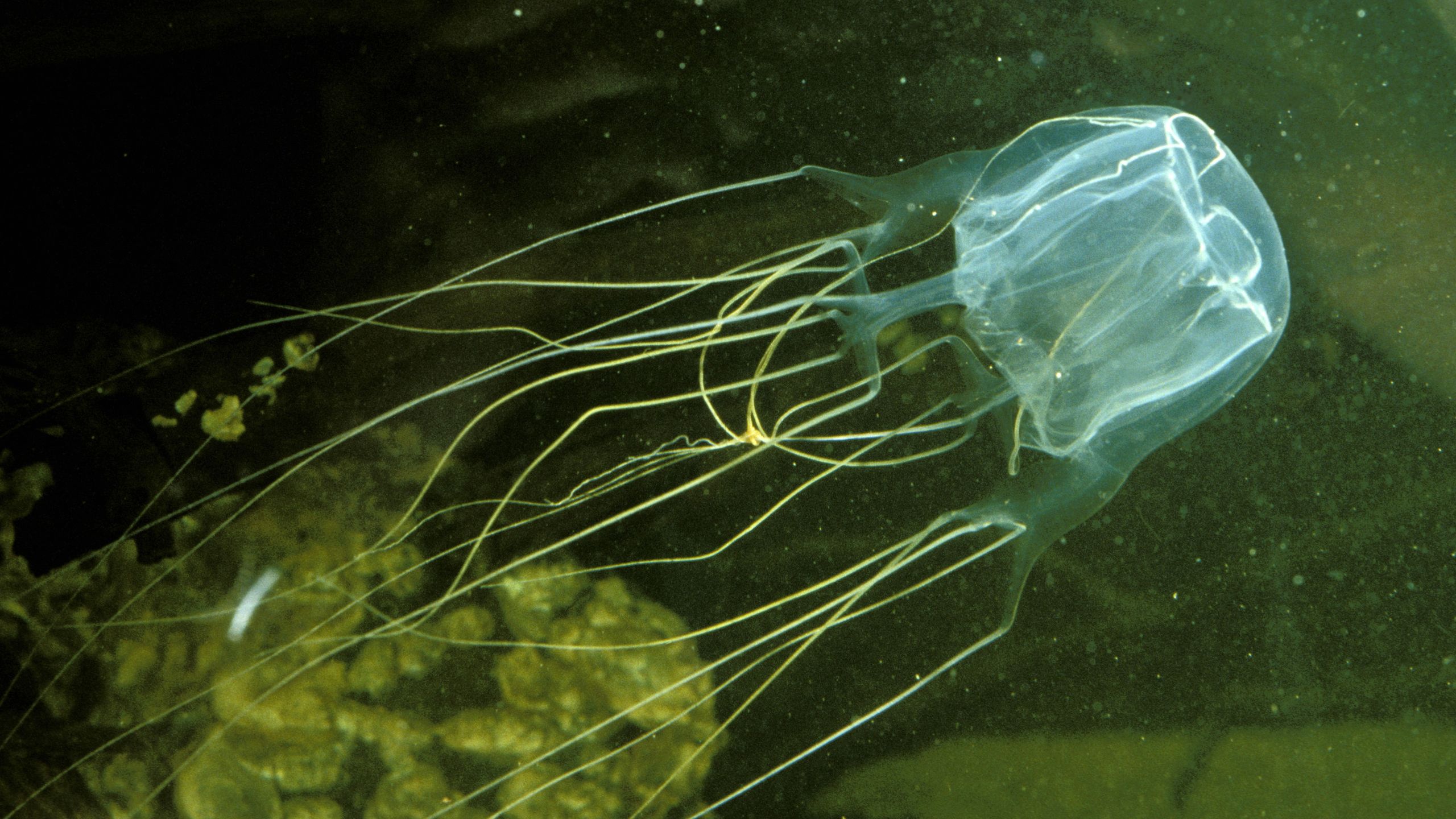
Creatures such as starfish, jellyfish, sea urchins, and sea anemones do not have brains, but they can capture prey, sense danger, and react to their surroundings.
Does this mean that animals without brains can think?
you may like
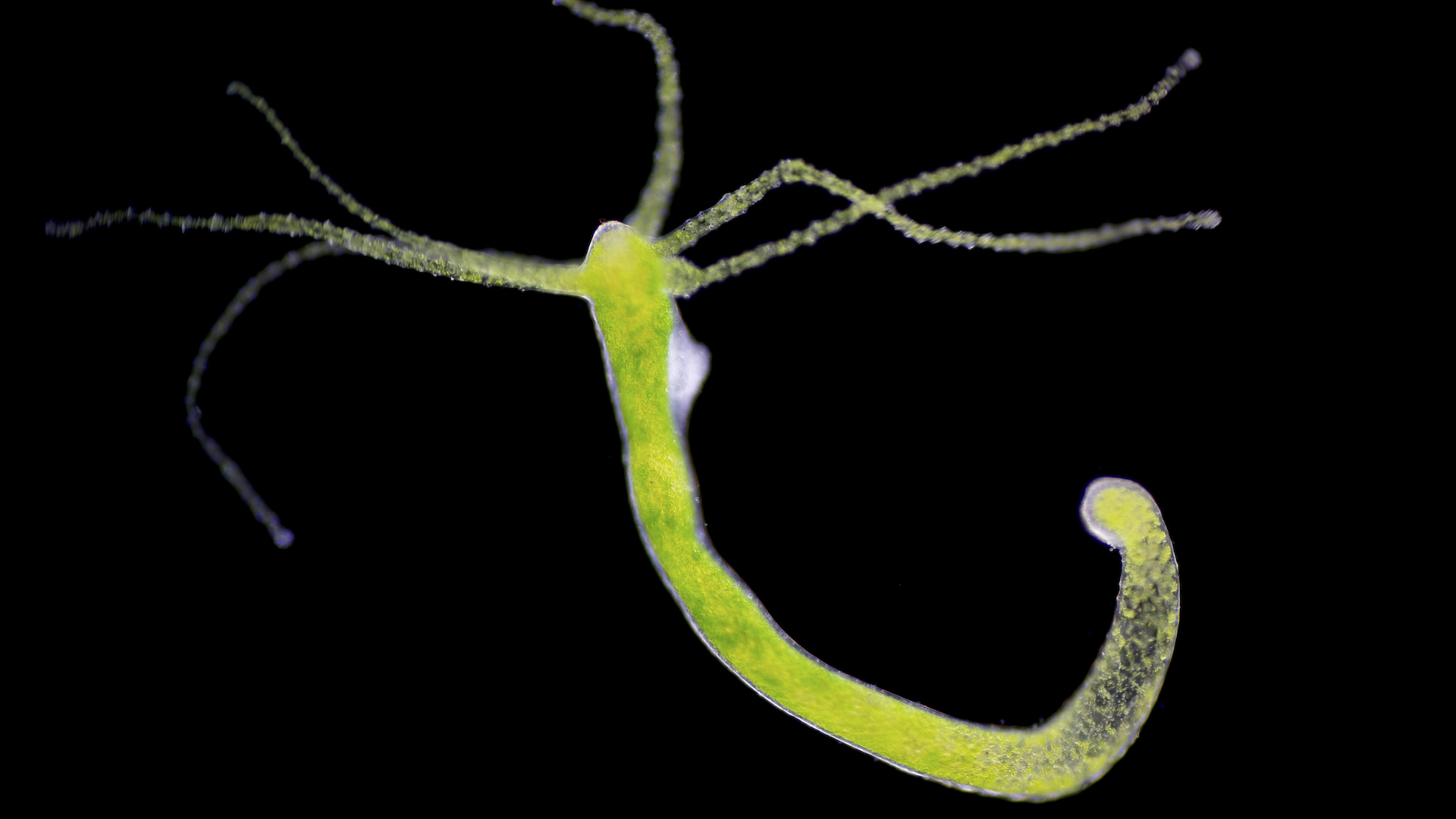
Creatures like jellyfish, sea anemones, and hydras have diffuse neuropils, networks of interconnected neurons distributed across their bodies and tentacles, said Tamar Lotan, director of the Cnidarian Developmental Biology and Molecular Ecology Laboratory at the University of Haifa in Israel.
“Neural networks can process sensory input, generate organized motor responses (swimming, contractions, feeding, stinging, etc.) and effectively integrate information without using the brain,” she told Live Science via email.
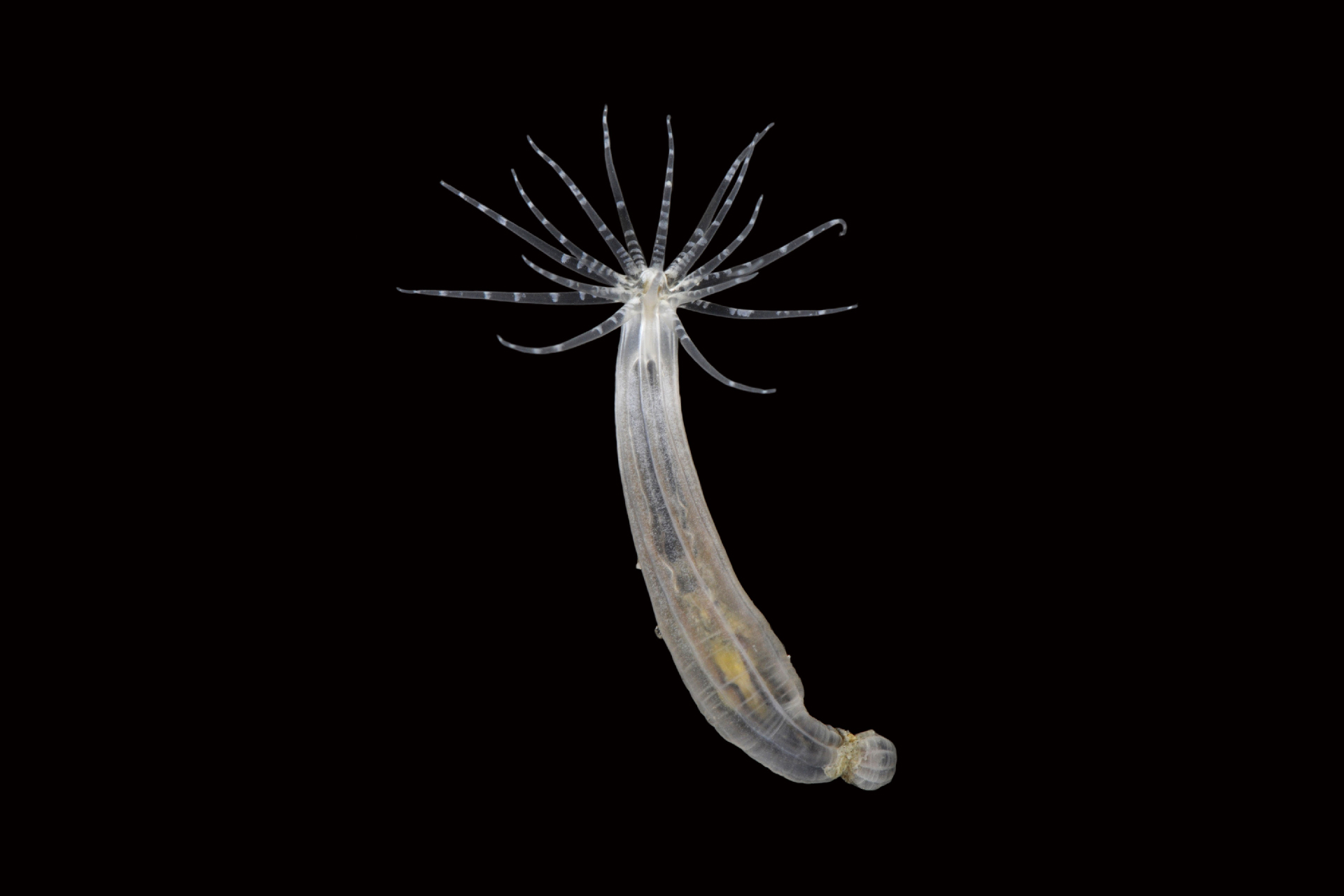
This simple setup can support surprisingly advanced operations. Sprecher’s team showed that the starlet sea anemone (Nematostella vectensis) can form associative memories and learn to link two unrelated stimuli. In the experiment, the researchers trained sea anemones to associate harmless flashes of light with mild shocks. Eventually, the light alone caused them to retreat.
Another experiment showed that sea anemones can learn to recognize genetically identical neighbors after repeated encounters and suppress normal territorial aggression. The fact that sea anemones change their behavior toward genetically identical neighbors suggests that they can distinguish between “self” and “non-self.”
A study led by neurobiologist Jan Bielecki of the University of Kiel in Germany showed that box jellyfish are able to associate visual cues with the physical sensation of hitting an object, helping them avoid obstacles more effectively.
“My core belief is that learning can be accomplished by a single neuron,” Bielecki told Live Science via email.
So if animals with neural networks instead of brains can remember and learn from experience, does that mean they can think?
you may like
“This is a difficult question to answer,” Sprecher said. The definition of “thinking” varies depending on the field. Bielecki pointed out that psychologists, biologists and neuroscientists have different definitions of “thinking.”
Furthermore, “thought is such a vague concept,” Bielecki says. Scientists study decision making, pattern recognition, associative learning, memory formation, inductive reasoning, and more. Each has its own, narrower definition.
Ken Chen, a professor of animal behavior at Australia’s Macquarie University, said scientists tend to use the word “cognition” rather than “thinking.”
“Scientists shy away from the word ‘thinking’ because for most of us, thinking means something running through our heads, and there’s no good way to test that in other animal or non-animal species,” Chen told Live Science. Even “cognition” has no agreed-upon definition, he said, but “in its broadest sense, cognition is information processing, doing things with information from the world, including the internal world of an organism.”
If thinking is cognition in the broadest sense, then all living things think, Chen says. This includes animals like sponges and platyzoans that process information from their surroundings in order to survive. But when it comes to “advanced cognition” beyond basic learning, scientists aren’t sure whether animals without brains can think, Chen said.
Basic cognition can be thought of as a change in behavior that goes beyond reflexes, Sprecher said. By that definition, brainless animals do exhibit cognition. “But more advanced types of cognitive abilities may require consciousness or self-awareness,” he says.
Lotan pointed out that cnidarians (a family of animals that includes jellyfish, sea anemones, and many other marine invertebrates) that evolved more than 700 million years ago continue to thrive while many animals with brains have long been extinct.
“This resilience suggests that despite lacking a brain, they have unique adaptive systems that allow them to survive and thrive in extreme environmental changes over geological timescales,” she said. Their neurons allow them to sense and interpret their surroundings, and “probably represent a rudimentary form of thought.”
Brain Quiz: Test your knowledge about the most complex organ in the body.
Source link
