

MOBO founder and black music champion Kanya King dies at 57
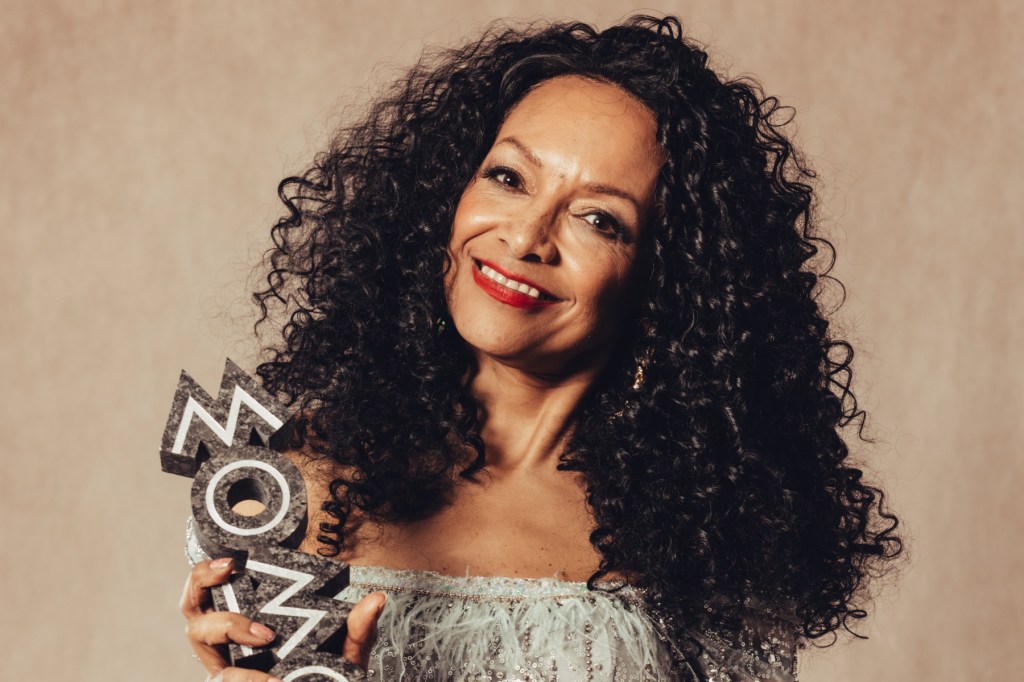
MOBO founder and CEO Kanya King CBE has died at the age of 57, the organization has confirmed. MOBO (Music of Black Origin) announced in a press statement that Dr. King “passed away peacefully on Wednesday, June 3, after a courageous and determined battle with colon cancer.” She also added that she was “surrounded by […]
PRODUCE 101 JAPAN SHINSEKAI Bump the stream of JO1, INI, ZEROBASEONE
“PRODUCE 101 JAPAN SHINSEKAI” is the fourth season of the survival audition program brought to the world by JO1, INI, and ME:I. The show will culminate with the debut of a 12-member global boy band whose members were chosen by a vote of Japanese viewers (national producers) and, for the first time on the show, […]
How Taylor Swift turned her lifelong love of ‘Toy Story’ into new music
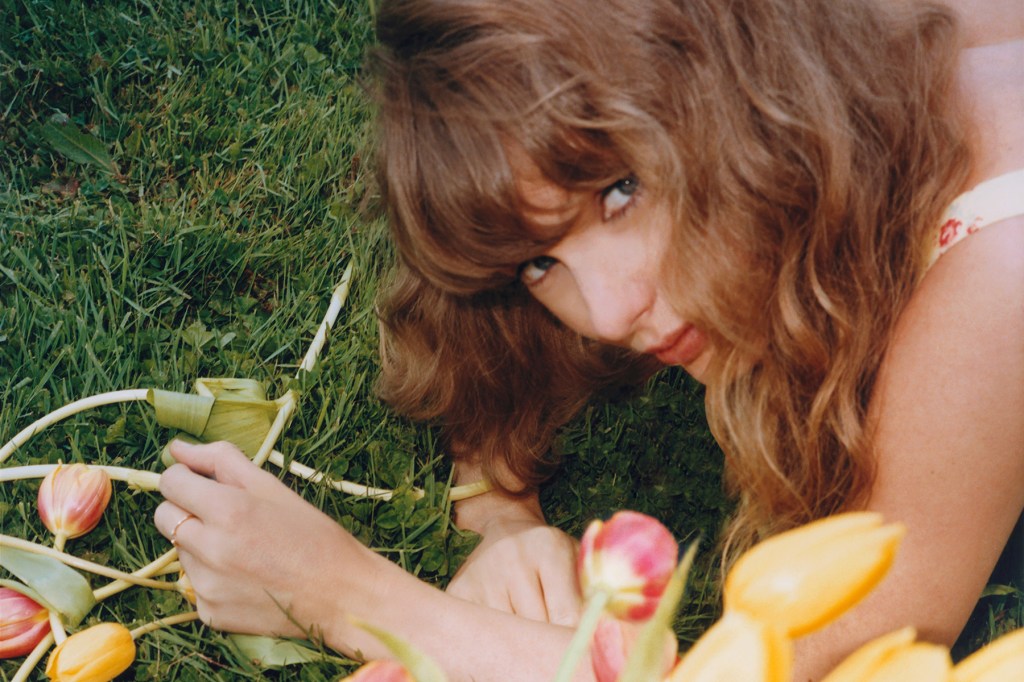
It seems like no challenge is too big for Taylor Swift. With the recording of “I Knew It, I Knew You” from Toy Story 5, her latest project became a love story a lifetime in the making. No pressure, right? explore Check out the latest videos, charts and news In recent days, Swift has been […]
Phoebe Bridgers’ MSG Secret Show in New York: Best Moments
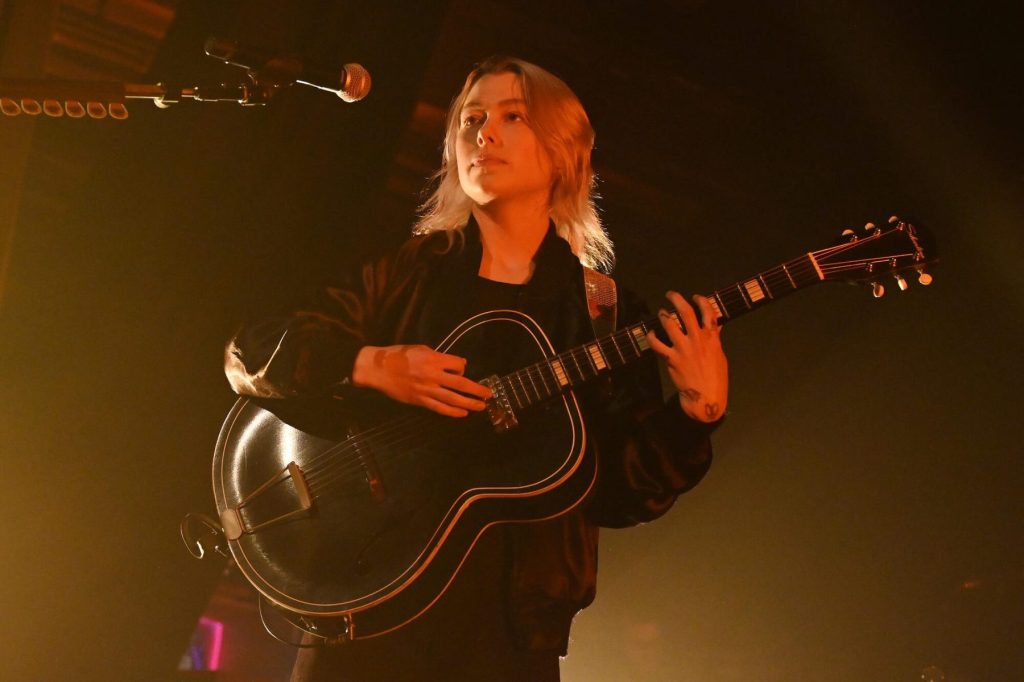
Phoebe Bridgers is finally back, but only on her terms. After a series of small, top-secret pop-up shows around the country, the indie rock idol just performed his biggest solo concert in years at Madison Square Garden. Thousands of fans in New York City had to put their cellphones in special pouches and throw away […]
Taylor Swift Leads This Week’s Best New Songs: Friday Music Guide
Billboard’s Friday Music Guide serves as a handy guide to each week’s New Music Friday’s most important releases: the essential music everyone’s talking about today and dominating your playlists this weekend and beyond. explore Check out the latest videos, charts and news Last week we featured Ariana Grande, Labyrinth, aespa, and more. This week: Taylor […]
Taylor Swift’s new songs “Toy Story 5” and “I Knew It, I Knew You”: Listen
Saddle Up, Swifties — Taylor Swift is returning to her country music roots with her new song “I Knew It, I Knew You” from the Toy Story 5 movie. Written with beloved Cowgirl character Jessie in mind, “I Knew It, I Knew You” arrives at midnight Friday (June 5) and finds the pop superstar exploring […]
Click here for the titles of the 6 songs
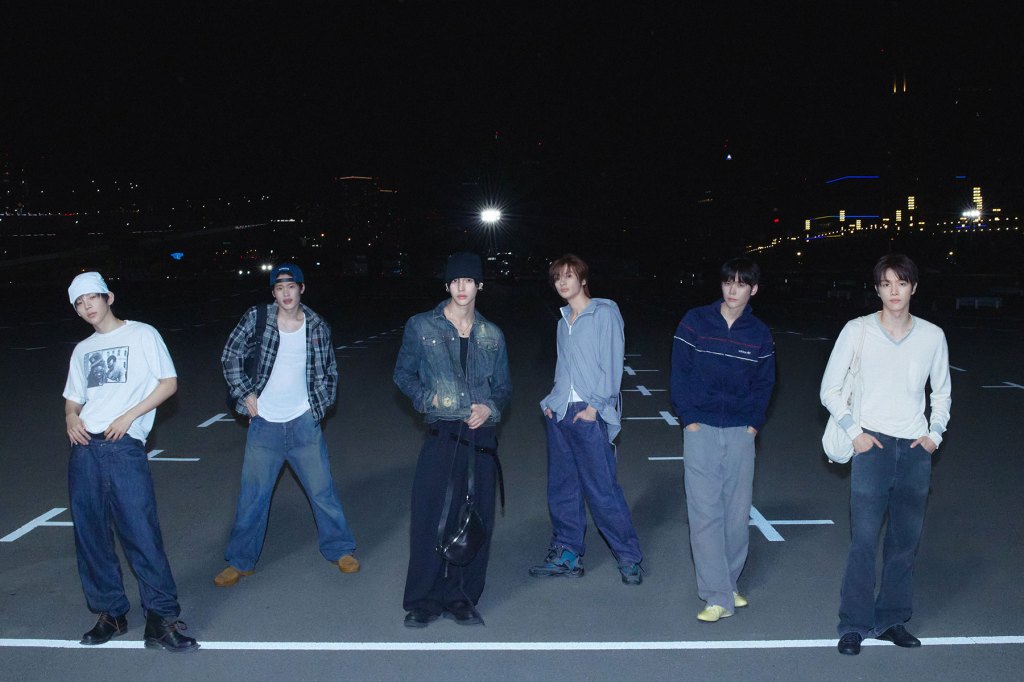
RIIZE is revealing the next chapter. The group has announced the six-song lineup for their second mini-album ‘II’, which will be released on June 15th via SM Entertainment/RCA Records. The project opens with “SOAR,” moves into “Do Your Dance,” ends with “In a Loop,” and closes out the set with “DD-Done,” “Overdrive,” and “Like a […]
Olivia Rodrigo talks about possible collaboration with Sabrina Carpenter
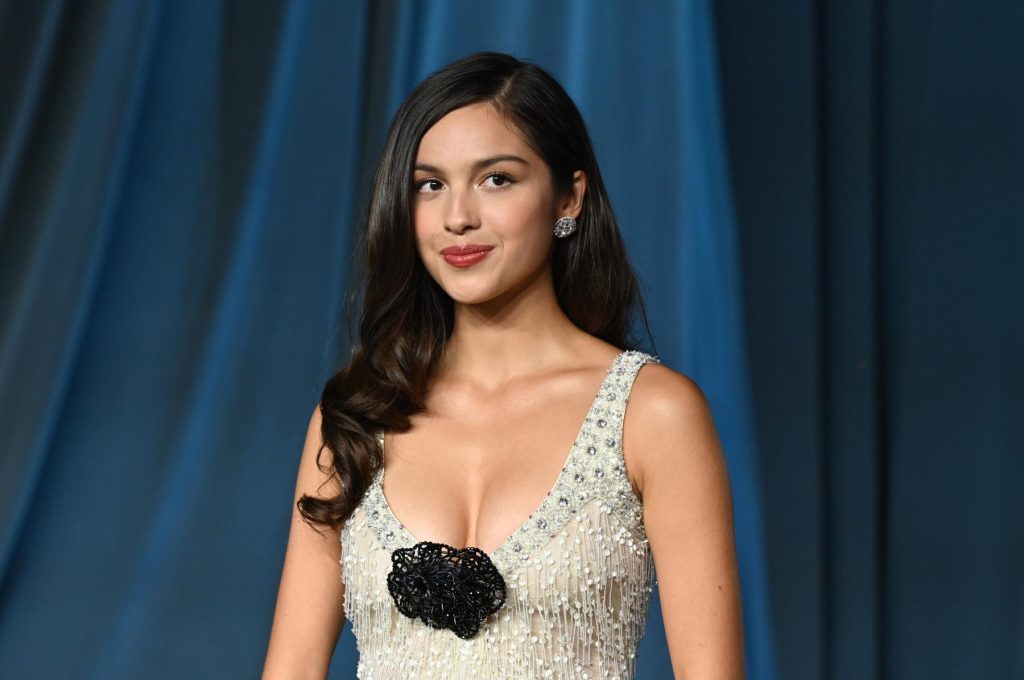
Five years ago, the idea of Olivia Rodrigo and Sabrina Carpenter working together in a studio would have been outrageous, but you never know what the future holds. In an interview for Dazed’s new cover story, Rodrigo was asked if he would ever work on a song with a fellow Gen Z pop star, and […]
What Was He Doing With All That Time Off?
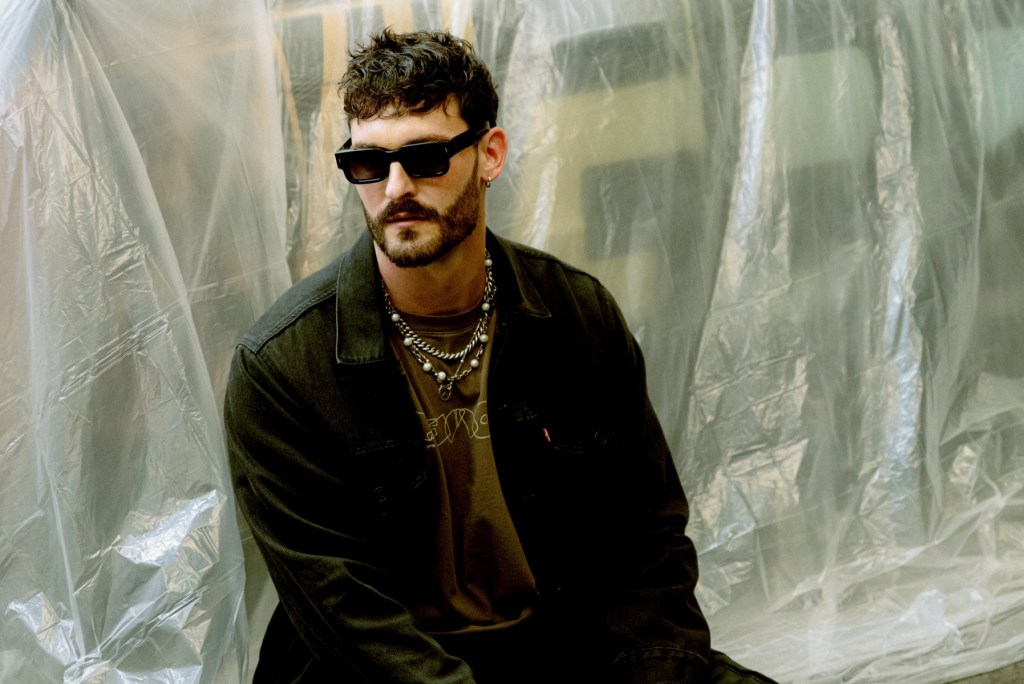
Many people dream of taking extended time off from their job. Griz actually did it. Almost exactly three years ago today, on June 6, 2023, the beloved bass-funk producer announced he was talking a break, writing on social media that “Life is really good, and I often make myself too busy to see where I […]
Rosalia postpones concert dates in Florida ‘due to family emergency’
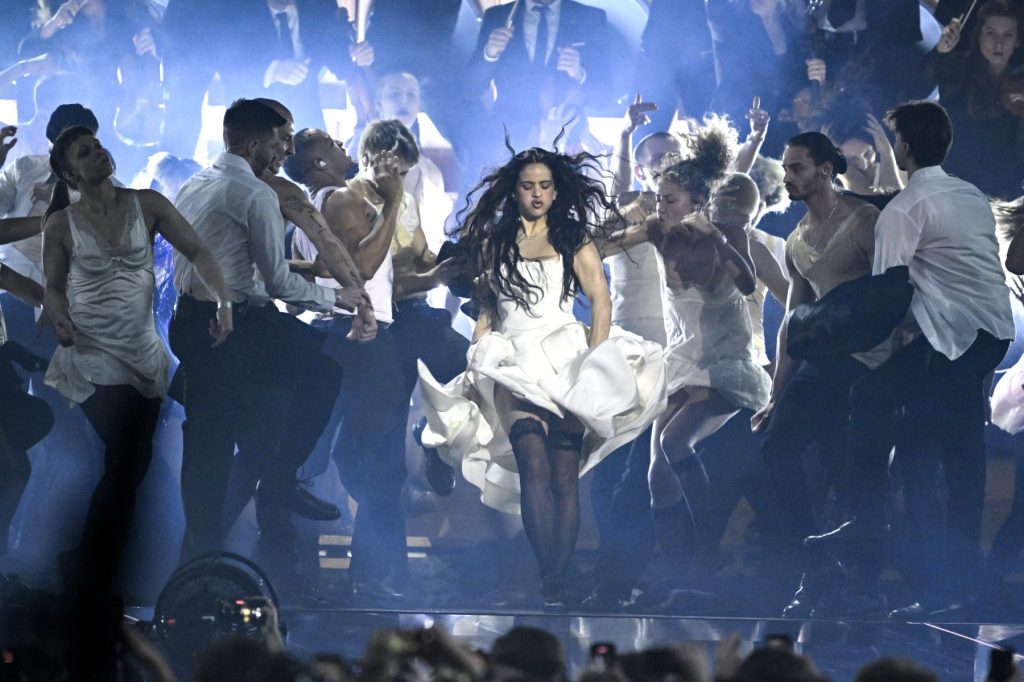
Fans of Rosalía who were hoping to see her in Florida during her Luxe World Tour will have to wait as all three dates have been postponed until further notice. A representative for the artist confirmed the news to Billboard without providing further details. The news was announced on Thursday (June 4) in a post […]