

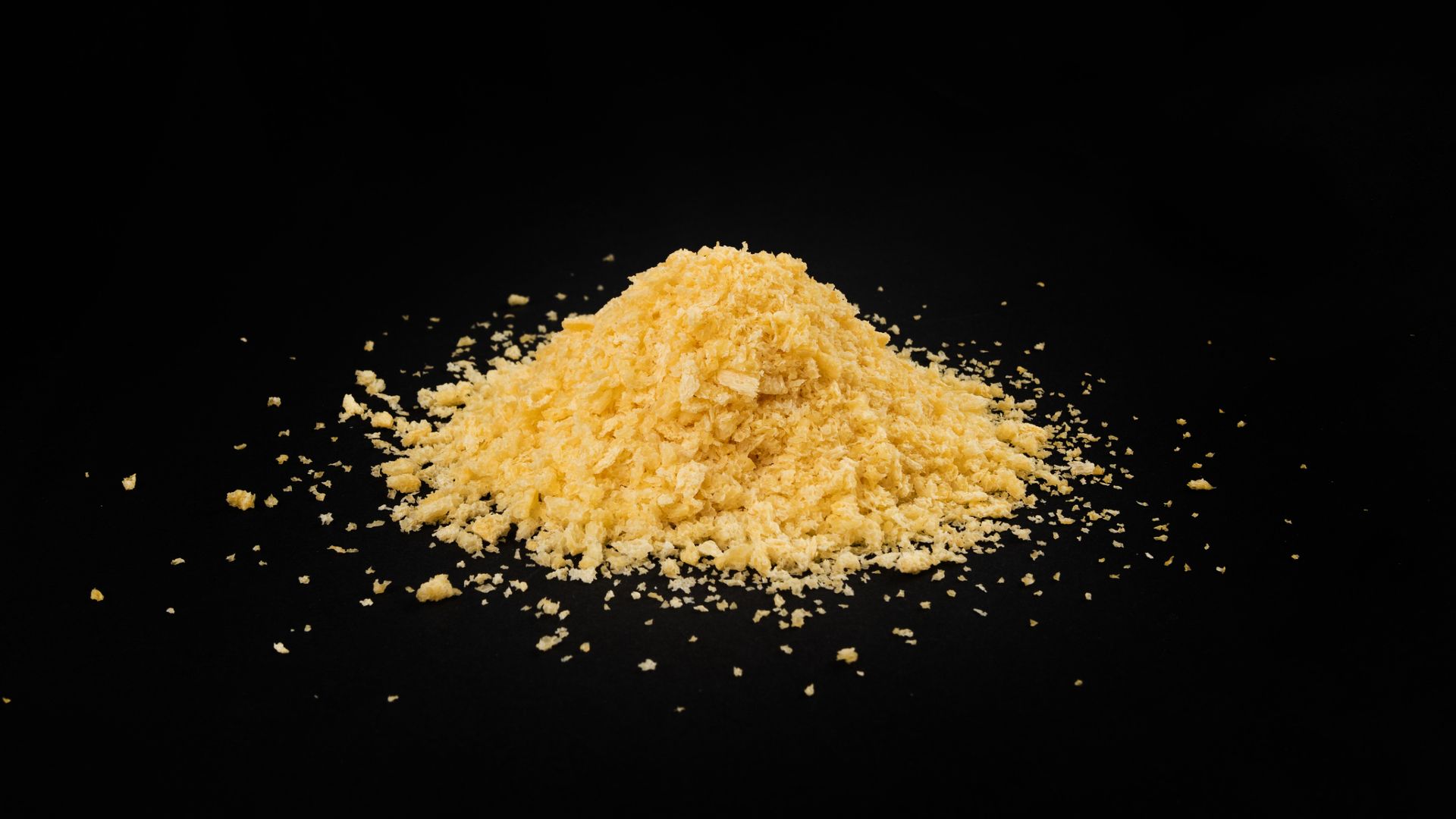
Bread crumbs from food waste could replace fossil fuels as a source of hydrogen in one of the most common chemical reactions used in chemical manufacturing, new research suggests.
The new process, reported February 23 in the journal Nature Chemistry, combines a natural bacterial fermentation process with a metal catalyst to produce a series of valuable chemical products from simple food waste. Calculations show that this hybrid procedure is carbon negative overall, and the authors believe this could be the first step in reimagining chemical manufacturing as a more sustainable industry.
you may like
But most of the hydrogen gas used in this reaction comes from fossil fuels through a dirty and energy-intensive process called steam reforming, which produces 15 to 20 kilograms of carbon dioxide for every kilogram of hydrogen produced. As a result, hydrogenation has become a major sustainability challenge for the chemical industry, and scientists are rushing to find greener alternatives.
Stephen Wallace, Professor of Chemistry and Biotechnology at the University of Edinburgh, decided to look to nature and investigate whether it was possible to harness the power of biology to tackle this chemical problem. Many bacteria naturally produce hydrogen when forced to breathe anaerobically (without oxygen) and release a constant stream of this gas into their surroundings. If this could be tied to a compatible chemical system, Wallace reasoned, it would theoretically be possible to use biohydrogen in hydrogenation reactions, thereby eliminating the need for fossil fuels in the process.
“The main challenge was to find a catalyst that works underwater, at mild temperatures, and in living systems without damaging cells,” he told Live Science via email. “We needed to strike a balance between a catalyst that remained active in a complex biological environment and a microorganism that continued to function in the presence of the catalyst.”
cultural change
The researchers cultured E. coli in a glucose-containing medium, adding a commercially available palladium catalyst and a test substrate before sparging the mixture to remove oxygen. The anoxic reactants were incubated for 1 day at 98.6 degrees Fahrenheit (37 degrees Celsius), and subsequent analysis revealed that the best-performing strains produced the expected hydrogenated products in 94% yield.
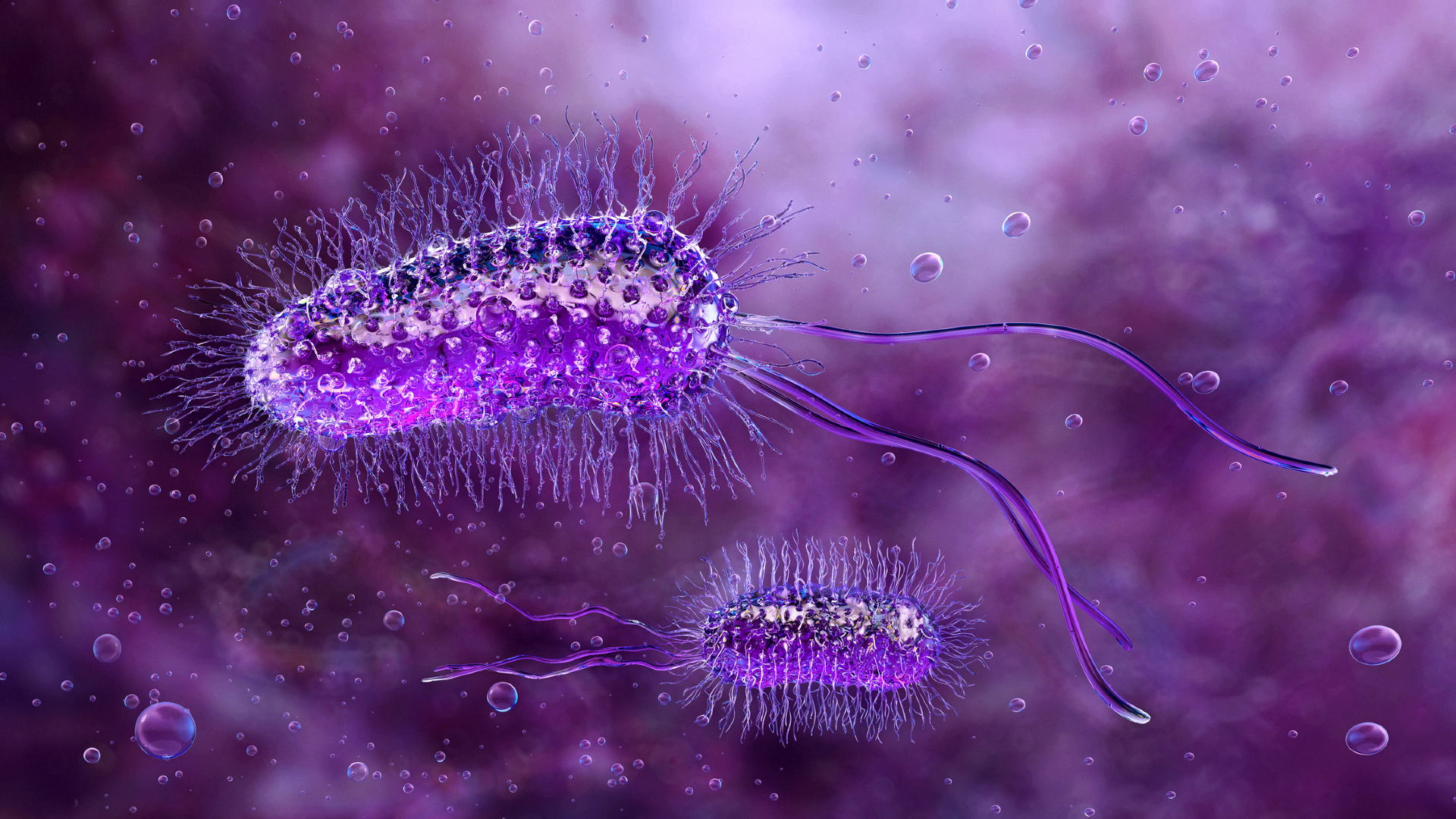
“The metal catalyst comes in and basically binds to the cell membrane,” Simone Mora, a bioengineer at the University of Nottingham who was not involved in the study, told Live Science. “The cell itself produces hydrogen, and as soon as the hydrogen starts to diffuse out of the cell, it hits this metal catalyst and the second part of the reaction takes place, producing the hydrogenation product.”
With the biocompatible system established, Wallace next sought to replace the expensive glucose feedstock with a cheaper, more sustainable alternative. The research team focused on bread waste and used microbial enzymes to break down complex carbohydrate molecules in bread crumbs into simple glucose units. This waste-derived fuel was fed directly into the E. coli culture, effectively converting the crumbs into hydrogen.
But the researchers had one last trick up their sleeve. Instead of supplying bacterial cultures with precursor molecules, they genetically engineered specific strains of bacteria to produce the necessary substrates within their cells. “It’s amazing and very moving,” Mora said. “They show that they can harness the synthetic capabilities of E. coli. Essentially, E. coli can use the cell’s carbon pathway to make any substrate it wants.”
The use of bio-produced hydrogen reduced greenhouse gas emissions by three times compared to the use of fossil fuels. In particular, the breadcrumb hydrogenation process reduces global warming potential by more than 135%, which corresponds to a carbon negative footprint.
The team is currently working on developing a process that increases the number of possible substrates and accommodates more types of biowaste. Eventually, they hope the method will be incorporated into industrial chemical synthesis.
“Currently, the system works best with simpler alkenes,” molecules that contain carbon-carbon double bonds, Wallace said. “Although this is not yet as efficient as an industrial process, it represents a fundamentally new way of doing hydrogenation. To make this viable, we will need to improve efficiency, scale biology, and develop catalysts that remain stable and cost-effective at industrial scale.”
White, MFM, Trotter, C.L., Steele, JFC, Lau, ECHT, Sadukhan, J., Ella, Y., Law, S., Gilman, J., Dennis, J.A., Johnson, N.W., Gordon, R., and Wallace, S. (2026). The natural H2 pathway allows biocompatible hydrogenation of metabolic alkenes within bacteria. Nature Chemistry, 18(3), 535–543. https://doi.org/10.1038/s41557-025-02052-y
Source link
