

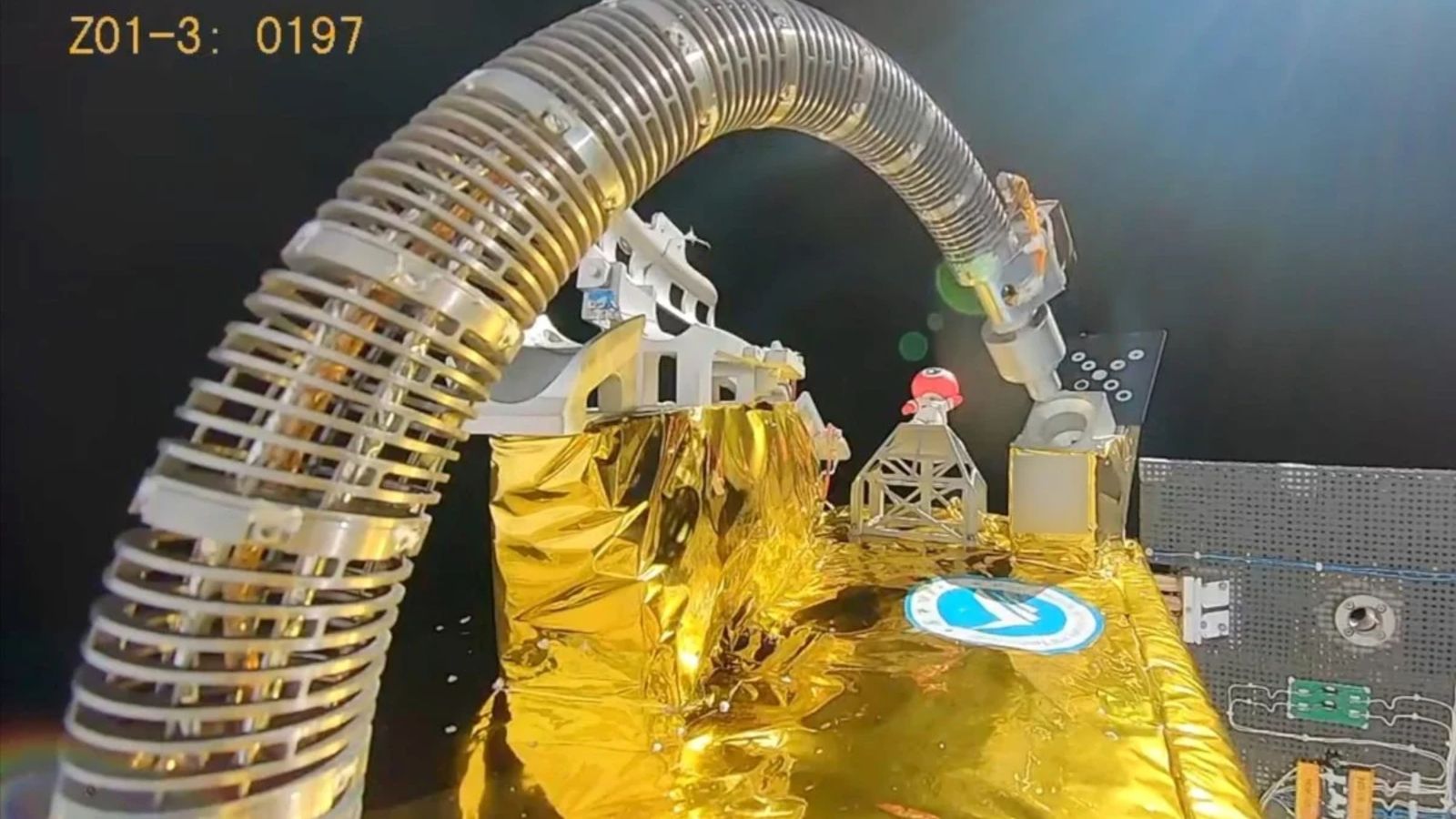
A Chinese satellite equipped with a robotic “octopus arm” has passed a crucial refueling test in low Earth orbit (LEO), state media said. This achievement highlights China’s continued leadership in this particular technology, which NASA has yet to catch up to.
The experimental spacecraft will eventually deploy giant balloons in LEO, which could help solve another important problem with satellite “megaconstellations” like SpaceX’s Starlink network.
you may like
Hukeda-2 is a demonstration satellite intended to test new technologies in LEO. According to the South China Morning Post, its most notable attachment is an octopus-like robotic arm that can “roll, twist and wrap objects to work in tight, complex spaces, and has a nozzle-like tip at one end designed to line up and connect to a target port.”
The arm, made of a series of spring-like tubes threaded with cables connected to motors, can bend in almost any direction and make the small adjustments needed to dock with another satellite while both spacecraft are traveling at speeds of about 16,800 miles (27,000 km) per hour.
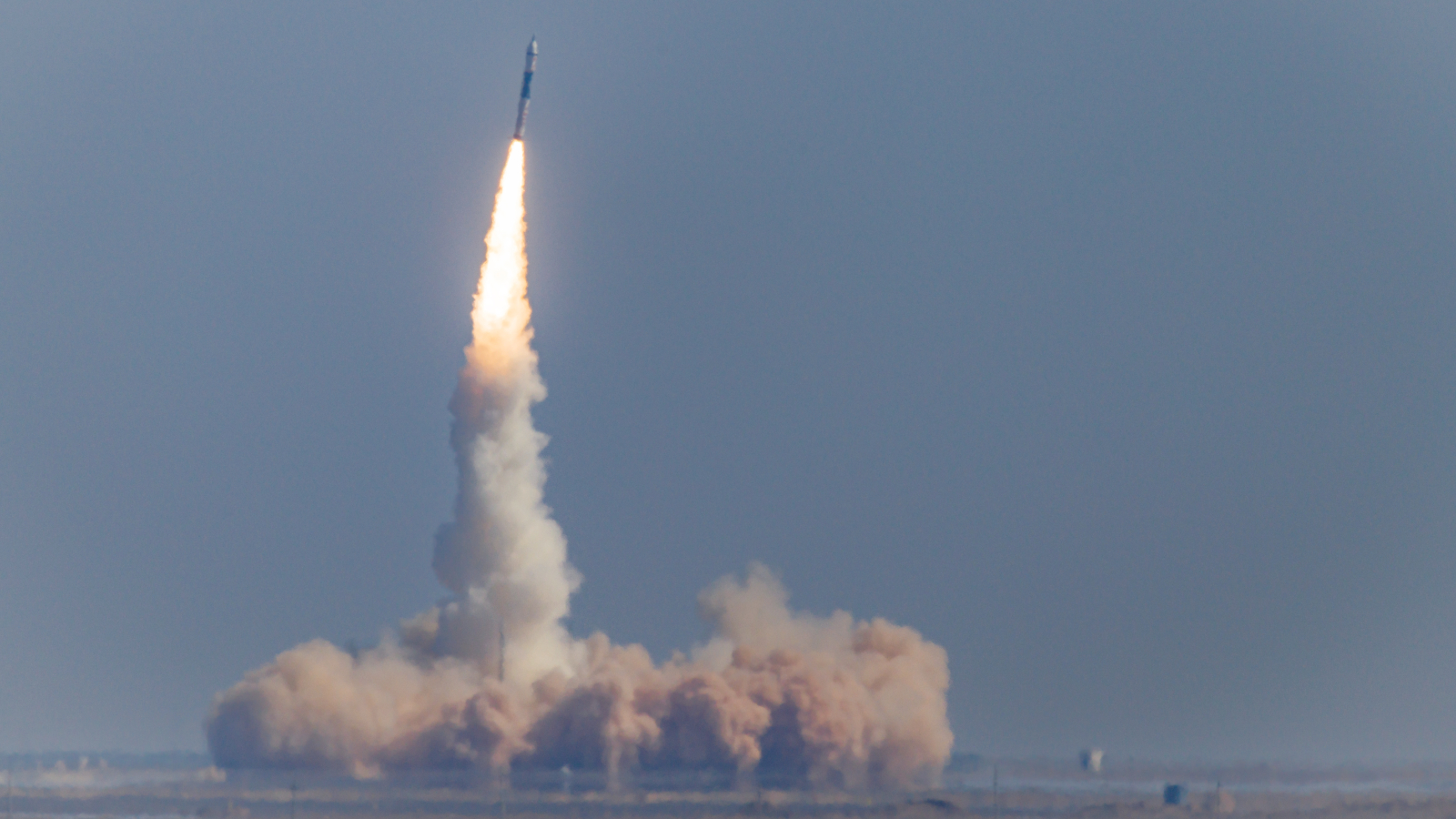
On March 24, Chinese state media reported that Hukeda-2’s robotic arm had successfully completed its first refueling test. It was initially unclear whether another satellite was involved in this test. However, photos later showed that the robotic arm was docked to a target port on Hukeda-2 itself.
This marks the biggest milestone in satellite refueling since June 2025, when China’s Shijian-25 satellite successfully connected to and refueled the previously out-of-fuel Shijian-21 satellite. The encounter, which occurred in geostationary orbit about 22,000 miles (33,500 km) above the Earth’s surface, was the first confirmed case of satellite-to-satellite refueling, according to Live Science’s sister site Space.com.
Refuel, reuse and recycle
When a satellite runs out of fuel, it is unable to maintain its altitude and is slowly pulled back toward Earth, eventually burning up in the upper atmosphere. Refueling allows operators to keep the same spacecraft in orbit for longer, making it more cost-effective and sustainable and reducing the need to launch replacements. This has been a major goal for NASA and Western companies for several years, but so far they have not been able to achieve it.
China is likely to seek to use similar refueling spacecraft to service its rapidly expanding Qianfan (“Qianfan”) satellite constellation, which is scheduled to launch its first batch of satellites in 2024 and rival Starlink in the coming years. (Currently, there are approximately 108 Qianfan satellites in orbit, with plans to deploy 15,000 by 2030.)
SpaceX, on the other hand, doesn’t seem interested in keeping its satellites operational. Instead, the company prefers to repeatedly launch new spacecraft on reusable Falcon 9 rockets to keep costs down.
What to read next
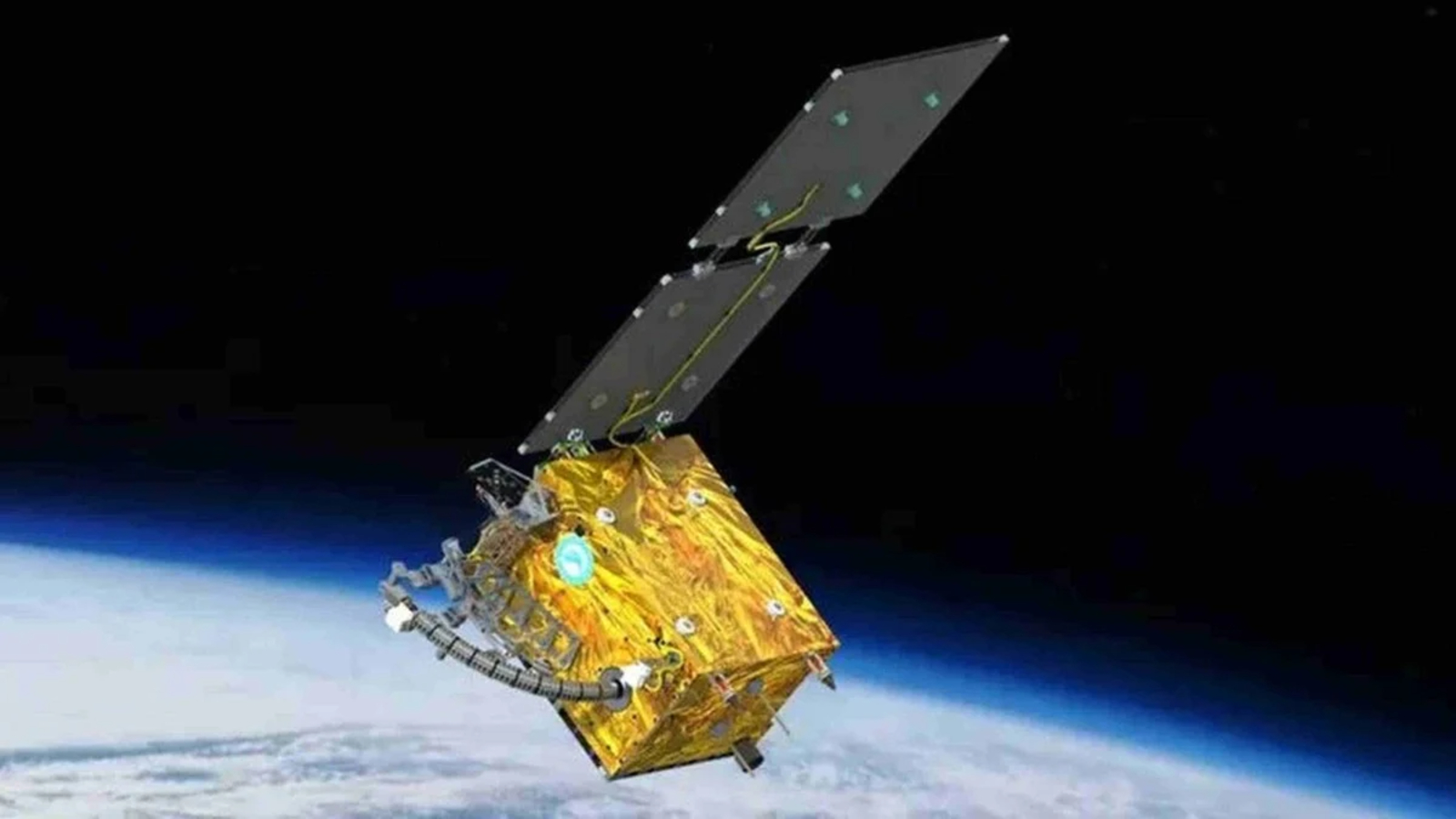
Another problem with the expanding constellation is that the number of dead spacecraft waiting to return to Earth is rapidly increasing, taking up valuable space that could be occupied by new satellites. To solve this, Hukeda-2 deploys an 8-foot-wide (2.5-meter) balloon at the end of its mission. This increases atmospheric resistance and speeds the return to Earth.
If this goes well, future Chinese satellites could be equipped with similar devices that would allow them to fall back to Earth without initiating a final deorbit burn. However, it is unclear when Hukeda-2 will deploy its test balloon.
Deorbiting satellites quickly would be wise, but it is unlikely to solve the larger problem of overcrowding that is expected to occur in LEO in the coming decades, especially if SpaceX’s controversial plan to launch a million data centers in orbit comes to fruition.
Recent studies have also revealed that satellite re-entry releases high levels of metal pollution into the upper atmosphere, which may cause problems that we are not yet fully aware of.
“What goes up must come down,” University of Regina astronomer and giant constellation critic Samantha Lawler recently wrote for Live Science.
Source link
