

Patient: 34-year-old male living in Mexico
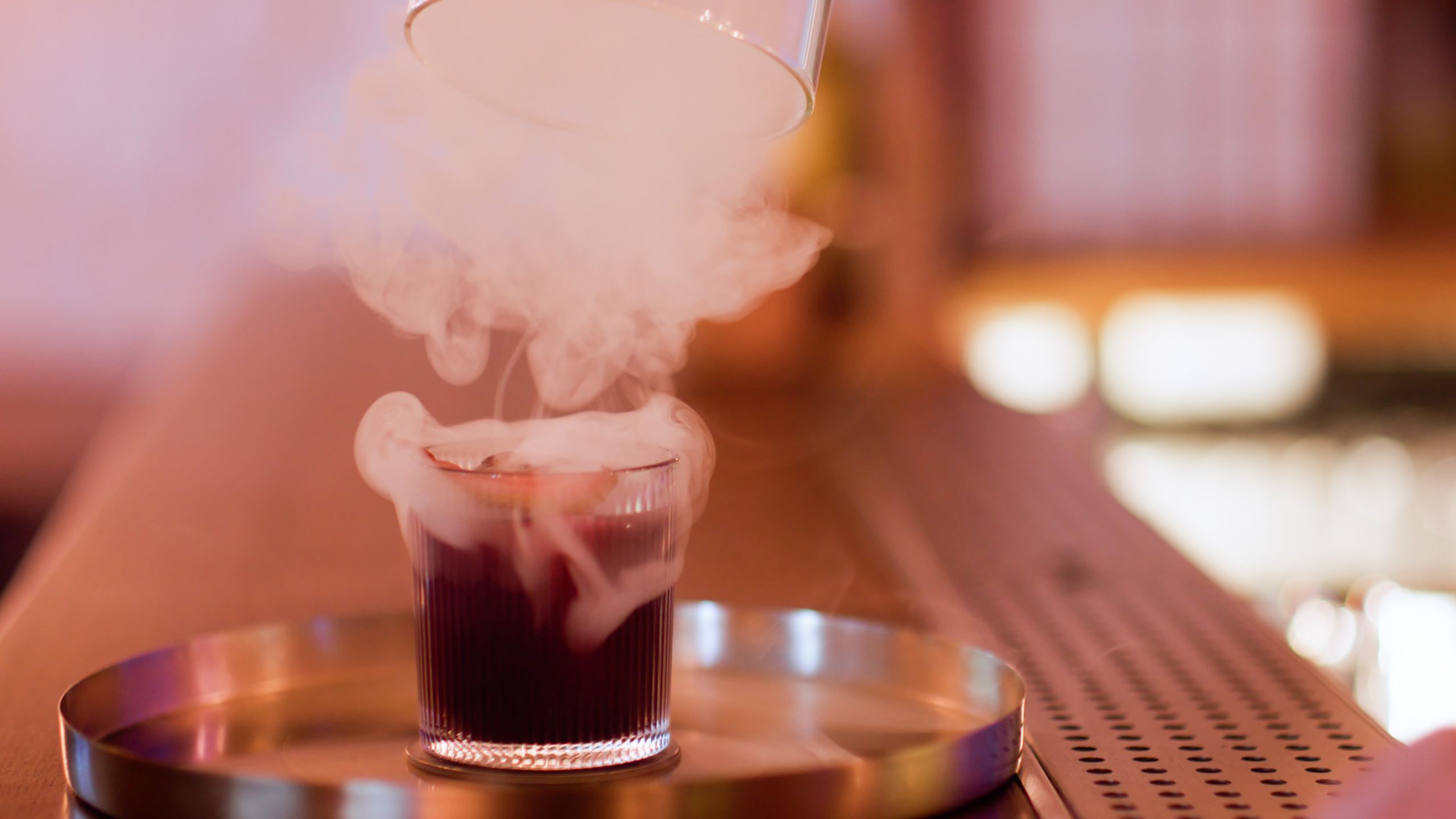
Symptoms: Within seconds of drinking a “smoky” alcoholic beverage at a bar, a man felt severe pain in his stomach.
you may like
The patient reported feeling discomfort and tenderness when the doctor touched her abdomen in four areas. This revealed that the pain was spread over a wide area rather than being localized to one organ, as is often the case with conditions such as appendicitis.
The man told doctors that the drink he drank had been injected with liquid nitrogen, and doctors suspected the substance may have caused his stomach to rupture. When liquid nitrogen is heated and becomes a gas, its volume expands approximately 700 times. The temperature difference between the -351°F (-196°C) liquid and the man’s body was so great that the material could have expanded rapidly into a gas, causing his stomach to burst like an overinflated balloon, doctors wrote in the man’s case report.
To assess whether the man had a perforation in his stomach, doctors patted his abdomen and listened for signs of air. Some areas of the abdomen, such as the stomach, normally contain air and produce a high-pitched “tympanic” sound when tapped. In contrast, organs that contain more solids or liquids, such as the liver located above the stomach, produce low-pitched, “dull” sounds. However, in this patient, the entire abdomen, including the area above the stomach, was tympanic.
Diagnosis: Next, the doctor used a CT scan to look at the patient’s soft tissues. These scans discovered a layer of nitrogen gas trapped in the patient’s abdomen, just above the stomach and below the lungs. This is a condition known as pneumoperitoneum. This confirmed that gas had ruptured the man’s abdomen and had accumulated above it.
Treatment: Doctors made a small keyhole-shaped incision in the patient’s abdomen to release trapped nitrogen gas. A laparoscope (a thin tube with a camera attached) was then inserted through the keyhole into the stomach to find and repair the perforation. Finally, a piece of fatty tissue taken from elsewhere in the man’s abdomen was used to suture and seal the 1.2-inch (3-centimeter) wide hole.
Doctors said in a report that after proving he could tolerate a liquid diet, he made a rapid recovery and was discharged from the hospital after three days.
What’s unique about this incident: In addition to causing stomach rupture, liquid nitrogen can cause permanent cold burns within the body, as it freezes water within human cells and damages tissue if consumed before it has completely evaporated from food or drink.
you may like
Fortunately, the patient did not suffer cold burns to his mouth, esophagus, or stomach. Doctors believed this was due to the “Leidenfrost effect.” This is a physical phenomenon that describes how a liquid behaves when it comes into contact with a surface that is significantly warmer than its boiling point. The outermost layer of liquid evaporates instantly, temporarily protecting the warm surface (in this case, human tissue) from the remaining cold liquid. This insulating gas layer may explain why the liquid nitrogen did not burn the man as it passed through his esophagus.
Liquid nitrogen is often used for cooking food. For example, flash-freezing meat using this substance preserves protein structure and locks in moisture more efficiently than other freezing methods. It also helps preserve fat and flavor in seafood. However, by the time these foods reach the table, the nitrogen is completely bubbled up and is safe to consume.
Serving food and drinks with liquid nitrogen to give them that smoky, theatrical look can be dangerous if impatient gourmets consume those items before the liquid has completely evaporated. Therefore, it is best to wait until the clouds disappear. Liquid nitrogen is often used to create the illusion of smoke near the food rather than near it, minimizing the risk of injury.
For more interesting medical cases, check out our Diagnostic Dilemma archives.
This article is for informational purposes only and does not provide medical or food safety advice.
Source link
