

Patient: 30-year-old man living in Nigeria
Symptoms: A man visited the hospital’s urology department because he had been leaking urine from a small hole in his perineum (the skin between the penis and anus) for about two weeks. This condition is known as a “watering” perineum. The man had a history of various urinary problems, including poor urine flow, urethral discharge, dribbling, and a burning sensation during urination.
What happened next: This man had a poor flow of urine, meaning his urine didn’t flow as quickly or as forcefully as usual, so doctors had to completely drain his bladder before investigating the cause of the perineal leak.
you may like
Doctors inserted a catheter through the urethra and into the bladder, trying to create a tunnel for urine to flow into the bag. However, when he tried to push the tube, it hit a wall. Something was blocking the catheter’s path.
Instead, doctors made an incision in her abdomen and inserted a catheter into her bladder, completely bypassing her urethra. When he started passing urine, he was tested for signs of infection and found Staphylococcus aureus. These bugs are a rare cause of urinary tract infections and usually only appear when there is a physical abnormality that obstructs the flow of urine. Therefore, this species remains in the bladder and reproduces.
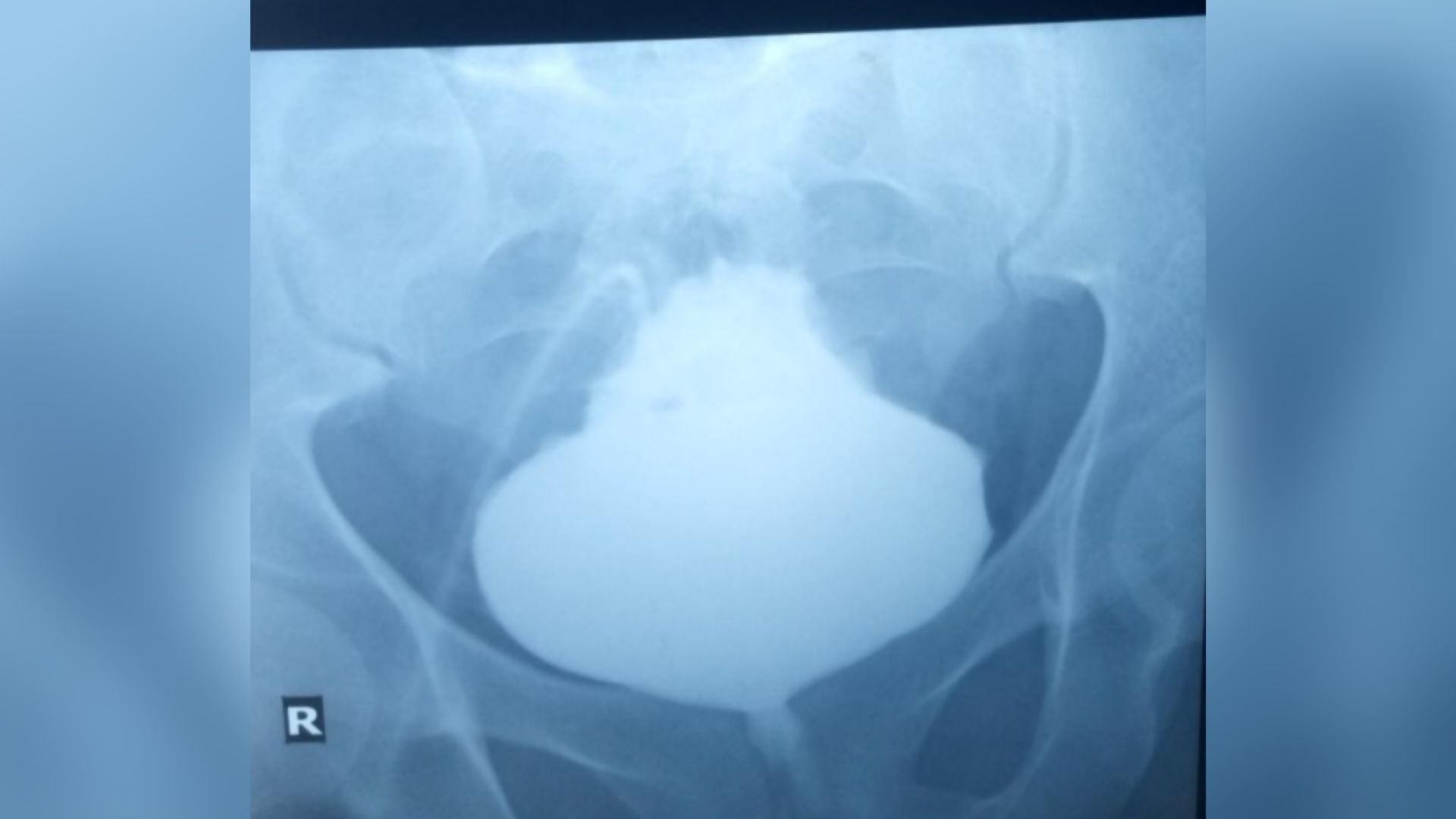
Doctors referred the patient to radiology and obtained a scan of the bladder to look for signs of such physical abnormalities. To visualize the bladder on the X-ray scan, the radiologist administered an X-ray sensitive dye through an abdominal catheter. This revealed that the base of the bladder was distended, leaving behind a pointed tip.
Diagnosis: This condition is known as a “Christmas tree” or “pinecone” bladder because of its appearance.
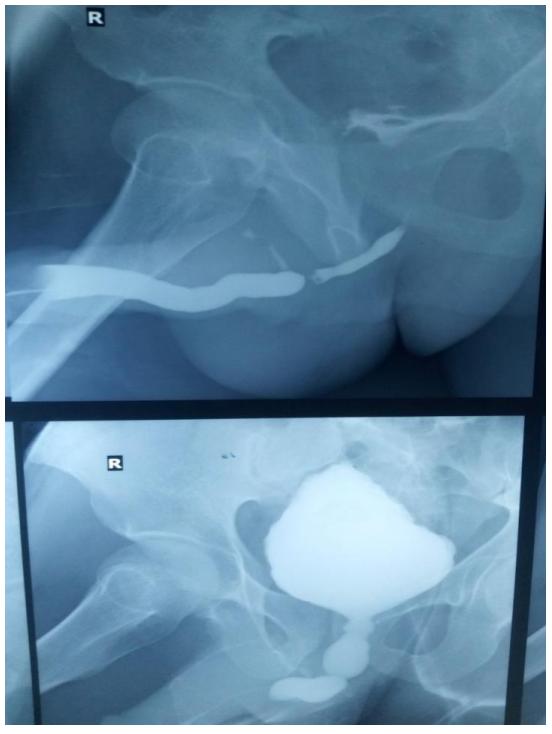
X-rays confirmed that urine was blocked from leaving the organ. However, a detailed examination of the bladder revealed that there was no problem with the organ itself, such as an obstructive mass or a bladder stone. This led doctors to think that the obstruction might be elsewhere.
Further X-ray imaging revealed that the urethra had become severely narrowed about half its length, blocking the flow of urine. This condition is called urethral stricture and can have a variety of causes.
It often occurs after a physical trauma, such as a pelvic injury or falling onto a bicycle crossbar. It may also be caused by a bacterial infection from sexual activity or when a tumor presses on the fallopian tubes. In some cases, this condition may not have a specific cause. (The exact reason for this man’s condition was not stated in his incident report.)
Treatment: Doctors treated the man’s staph infection with antibiotics and performed surgery to repair his urethra. Doctors note in the report that surgery may provide some relief, but urethral strictures often return.
A feature of this case is that urethral stricture is an unusual cause of Christmas tree bladder. A bottleneck in the urethra usually slows the flow of urine and causes some swelling in the bladder, but not so much that the base of the bladder expands into a tree-like shape.
A “Christmas tree” swelling is usually caused by a problem with the nerves that control bladder contractions, which prevents the bladder from emptying properly. This often occurs after nerve damage from a spinal cord injury, stroke, or neurodegenerative diseases such as multiple sclerosis. It can also occur if the bladder neck becomes narrowed or choked, such as in men with inflammation of the prostate gland.
This article is for informational purposes only and does not provide medical advice.
Source link
