

On Friday, when SpaceX submitted plans for a 1 million-satellite data center network to the Federal Communications Commission (FCC), you might have thought Elon Musk was having a little fun with us. But after a week, it became clear that he was serious.
The most obvious step, of course, is the formal merger of SpaceX and xAI, which moved forward on Monday, and if any joint infrastructure projects are planned, it would formally unite Musk’s space and AI ventures in a more meaningful way.
But even beyond mergers, we’re starting to see the idea of orbital AI data clusters (essentially networks of computers operating in space) being integrated into real-life plans. On Wednesday, the FCC accepted the application and set a schedule for public comment. This is normally a formality, but FCC Chairman Brendan Carr took the unusual step of sharing X filings. Carr has shown during his time as committee chairman that he is intent on helping Trump’s friends and punishing his enemies, so as long as Musk is on Trump’s good side, the proposal is likely to pass without a hitch.
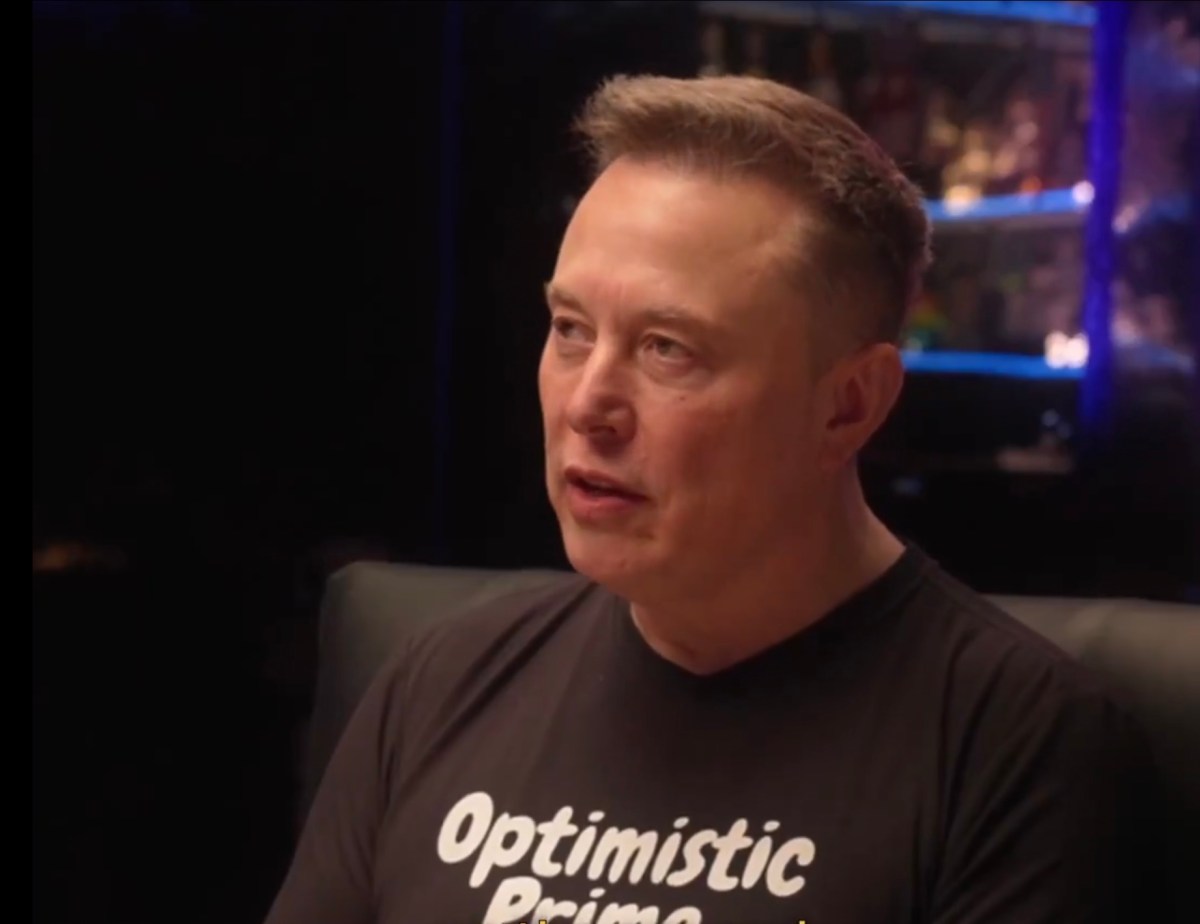
At the same time, Elon Musk began to flesh out discussions about orbital data centers in public. On a new episode of Stripe co-founder Patrick Collison’s podcast Cheeky Pint (with guest Dwarkesh Patel), Musk laid out the basic case for moving most of the AI computing power to space. Essentially, solar panels generate more electricity in space, reducing one of the main operating costs for data centers.
“Scaling on the ground is harder than scaling in space,” Musk said on the podcast. “It’s actually much cheaper to do it in space because any solar panel can provide about five times more power in space than on the ground.”
Those who listen closely will notice a bit of a gap in the logic here. While it’s true that solar panels generate more power in space, electricity isn’t the only cost of running a data center, and solar panels aren’t the only way to power a data center, so that doesn’t mean it’s cheaper to do everything in orbit, as Patel pointed out on the podcast. Patel also raised concerns about repairing GPUs that fail while training AI models, but you’ll have to listen to the entire episode for that.
Overall, Musk is undaunted, pinning 2028 as a turning point year for orbital data centers. “If you mark my words, in 36 months, probably closer to 30 months, the most economically attractive place to deploy AI will be in space,” Musk said.
tech crunch event
boston, massachusetts
|
June 23, 2026
He didn’t stop there. “Five years from now, my prediction is that more AI will be launched and operating in space each year than on Earth cumulatively,” Musk continued.
For comparison, the world’s data center capacity is estimated to be 200 GW in 2030, which equates to approximately $1 trillion worth of ground-based infrastructure.
Of course, SpaceX makes money by launching objects into orbit, so all of this is very convenient for Musk, especially now that SpaceX has partnered with AI companies. And with the new SpaceX-xAI conglomerate aiming for an IPO in just a few months, we can expect to hear more about orbital data centers in the coming months. Tech companies are still pouring hundreds of billions of dollars into data center spending each year, and there’s a real chance that not all of that money will stay on the planet.
Source link
