

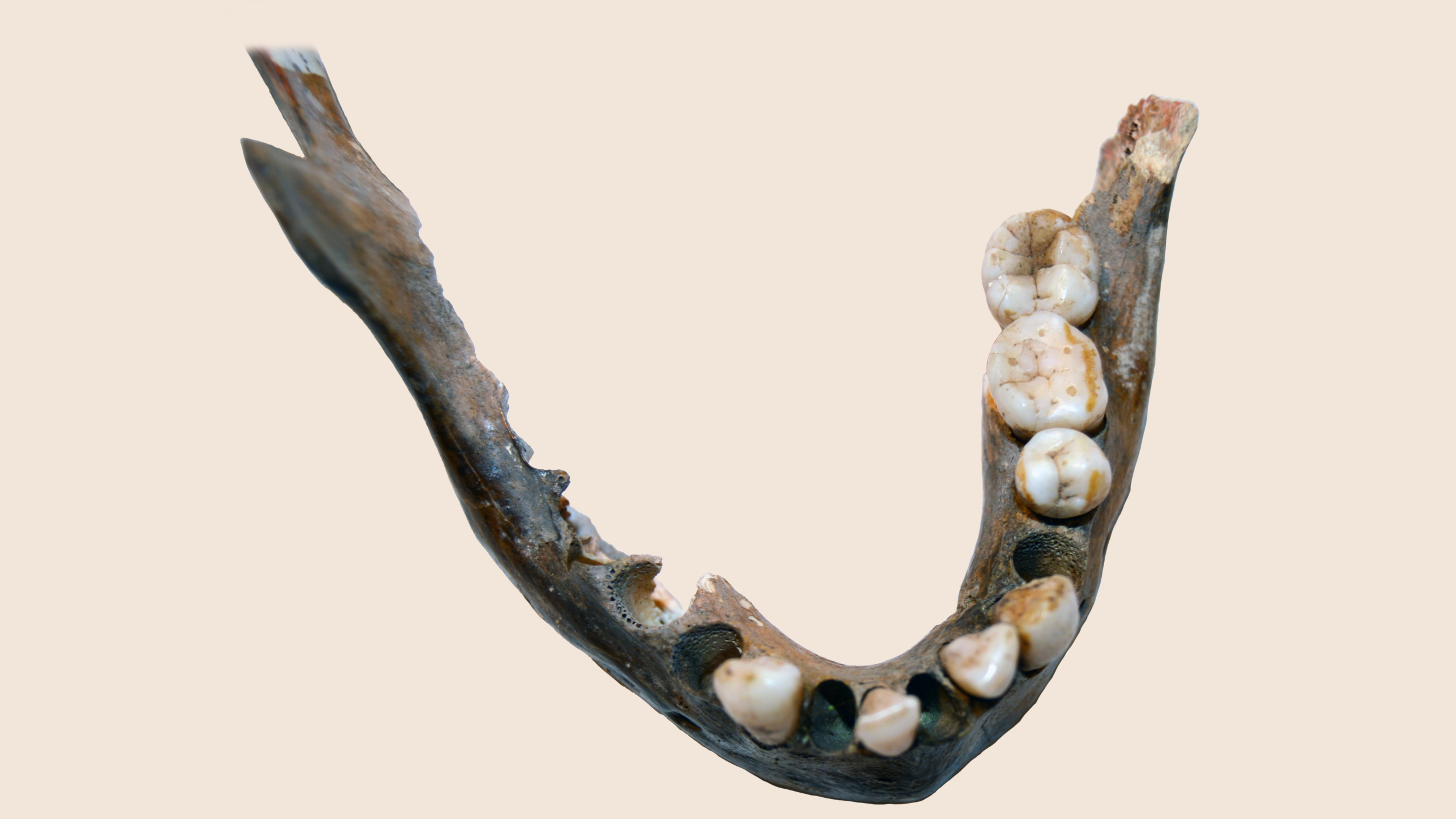
Humans have been isolated in southern Africa for about 100,000 years, and thus were “out of the range of genetic variation” seen in modern humans, new genetic research has found.
This finding supports the idea that “modern” Homo sapiens can have different combinations of genetic traits, even if they deviate from the norm.
you may like
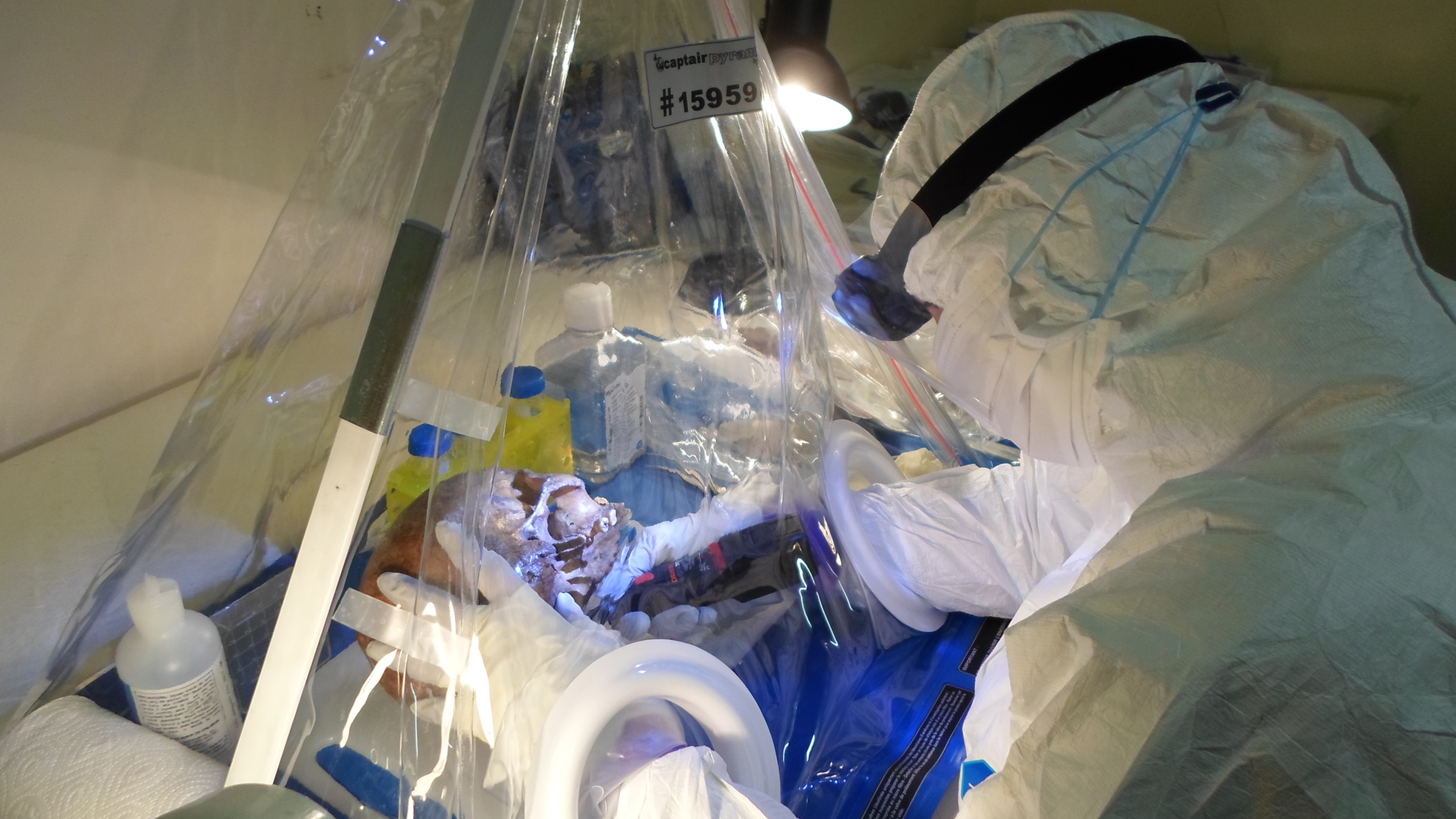
The team then compared the skeleton’s genome to publicly available data on ancient and modern Africans, Europeans, Asians, Americans, and Oceanians.
The researchers found that all the people living in southern Africa more than 1,400 years ago had a dramatically different genetic makeup than modern humans, pointing to the relative isolation of southern Africa until relatively recently.
Researchers still don’t know exactly why humans remained isolated in this region for so long.
“We can speculate that large geographic distances influence isolation, but this is not a very satisfactory speculation because humans can and often do cross large geographic areas,” study co-author Matthias Jakobsson, a human evolutionary biologist at Uppsala University in Sweden, told Live Science via email. However, the geographic area around the Zambezi River just north of this isolated group may not have been particularly suitable for ancient human habitation. “A combination of distance and unfavorable conditions may have isolated the south,” Jacobson said.
Many ancient southern Africans, including those who lived about 10,200 to 1,400 years ago, are “outside the range of genetic variation among modern humans” and “form the extremes of human genetic variation,” the researchers wrote in the study.
The researchers named a previously unknown set of genetic variations the “ancient southern African ancestral component,” and found that until around 550 AD there was no clear sign of admixture, or outsiders sharing genes with the population.
“Our findings therefore contrast with linguistic, archaeological, and some earlier genetic studies suggesting common ancestry and long-term interactions between eastern, western, and southern Africa,” the researchers wrote.
you may like
Using statistical modeling, the researchers determined that the population living in southern Africa was likely very large at least 200,000 years ago. Some people may have left the south when climatic conditions were favorable and spread their genes as they moved north. Then, about 50,000 years ago, the southern African population began to decline, and by about 1,300 years ago, farmers arriving from further north met and interbreeded with southern African gatherers.
“Really important” genetic mutations
The unique genetics of ancient southern Africans has given researchers further clues about human evolution and variation.
Jacobson said in a statement that prehistoric populations in southern Africa contained half of all human genetic variation, and humans spread throughout the rest of the world contained the other half. “Thus, these genomes can help us learn which genetic variations were really important for human evolution,” he said.
Researchers examined dozens of DNA variants unique to Homo sapiens, including ancient populations in southern Africa, and found that some were associated with kidney function and some with neuron growth in the brain. Mutations in the kidneys may have evolved to help humans retain and control water in the body, while mutations in neurons may be associated with attention span, suggesting humans had better mental abilities than Neanderthals and Denisovans.
A new analysis reveals that there is “vast unappreciated genetic variation in the ancient genomes of indigenous peoples around the world,” which is important for understanding the evolution of Homo sapiens, the researchers write.
In particular, the presence of human-specific variants in ancient southern Africans supports a “combinatorial” genetic model of human evolution, the researchers noted, in which many possible combinations of genetic variation ultimately led to “genetically modern” Homo sapiens.
“I think it’s certainly possible that humans evolved, at least in part, in multiple locations,” Jacobson says. “How and if such a process occurred and how genetic variation was genetically incorporated into modern humans remains an open question.”
Source link
