

Medicine stands on the precipice of an exciting new era.
We are closer than ever to achieving functional treatments for once intractable diseases, including HIV. Stem cell therapy is repairing invisible damage and stabilizing failing hearts. New cancer treatments are expected to extend patients’ lives and reduce the likelihood that the disease will return. And cutting-edge treatments are saving children from devastating genetic diseases.
you may like
That’s the question running through my mind as I look to 2026. As much as we would like to focus on how far we have come, it is impossible to ignore the ground we have lost in recent months.
An exciting development to watch
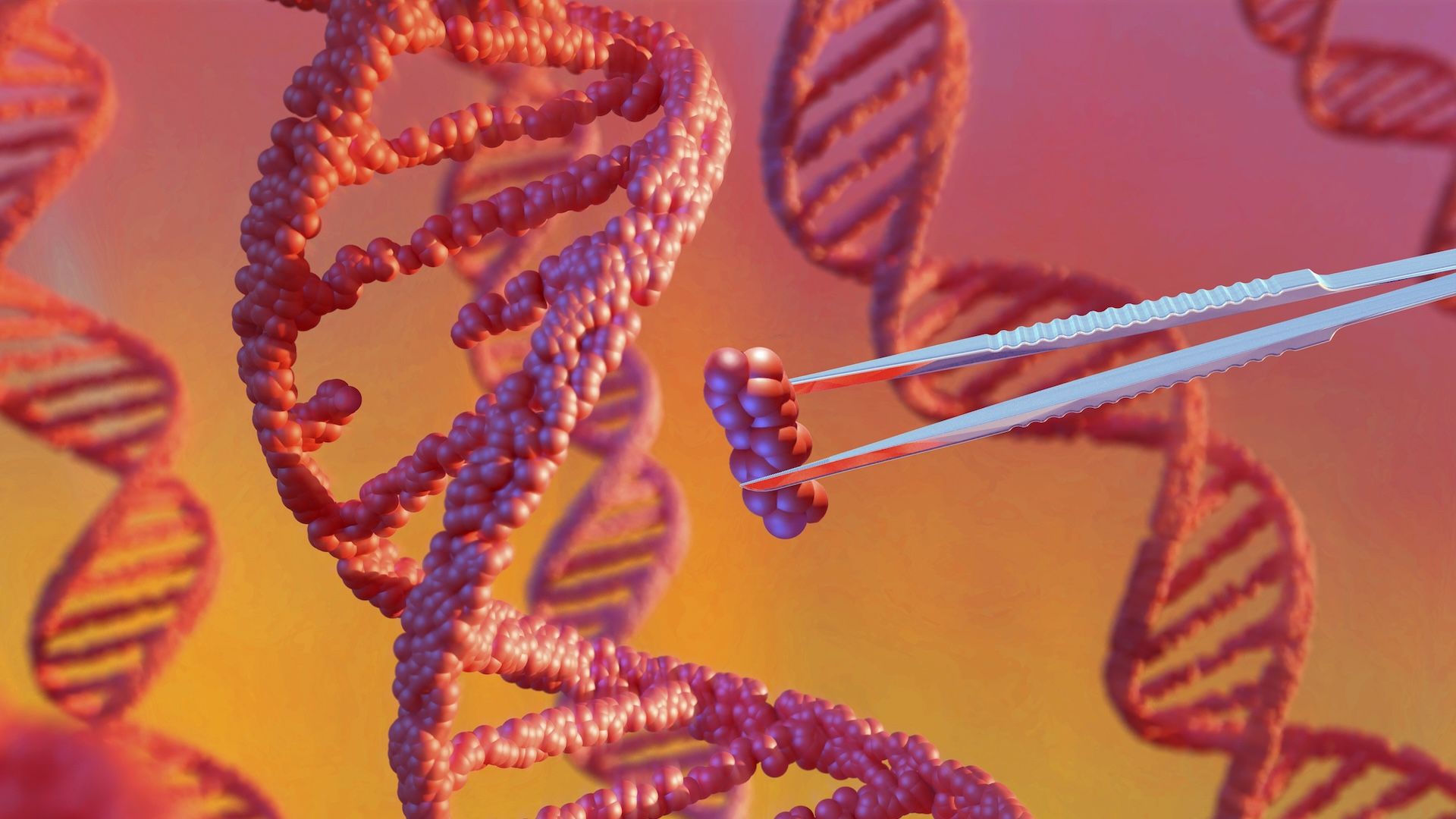
As expected, 2025 is a breakthrough year for gene therapy, and we expect 2026 to bring even more exciting developments in the field.
KJ Muldoon, a baby born with a rare genetic disease, became the first person to receive a customized CRISPR treatment. The two CRISPR-based treatments approved to date are universal and require cells to be removed, edited in a lab, and then reintroduced into the body. In contrast, KJ’s treatment tweaked specific mutations within his cells, and the edits were made inside his body.
One of KJ’s doctors said he is currently working with the Food and Drug Administration to make these tailored treatments more accessible to patients, so he hopes more people will benefit from such treatments in the coming months. (Notably, however, mRNA was used in baby KJ’s treatment, the molecule that also formed the basis of the first COVID-19 vaccine. While the federal government is backing away from mRNA vaccines, other uses of the technology may be spared.)
Meanwhile, scientists are testing gene therapies that could slow the progression of Huntington’s disease, a feat never achieved with existing treatments. CRISPR treatments for high cholesterol are undergoing clinical trials, as are gene therapies for congenital hearing loss and new cancer treatments involving base editing of immune cells. And in preclinical research, scientists are developing new gene-editing systems that could one day enable “mutation-independent” treatments that work for many people, as a complement to treatments that correct very specific mutations.
This year, the results of a UK-based “mitochondrial donation” clinical trial were also announced. The technology has been in research for years and is finally being tested in humans. This approach, taken in the context of in vitro fertilization, aims to prevent mothers with harmful mutations in their mitochondrial DNA from passing them on to their children. In early attempts, this approach appeared to be successful, but I’m interested to see how the research progresses.
We have also learned that GLP-1 (Ozempic and other drugs in the same class) has become more popular and its potential benefits beyond weight loss and blood sugar control. There are early signs that these drugs may be useful in treating conditions such as migraines, alcohol use disorder, and heart failure. We hope that these findings will stimulate interesting research into the underlying relationship between these symptoms and metabolism.
you may like
That being said, I don’t think this drug will be a magic bullet for all illnesses. For example, a promising Alzheimer’s disease trial just failed. Nevertheless, research on GLP-1 has uncovered previously unrecognized disease drivers that may be addressed by other means in the future.
I’m also keen to keep an eye on new research on senolytics (drugs that remove senescent cells, or biologically aged cells, from the body).
Xenotransplantation (the transplantation of animal organs into humans) continues to make rapid progress, with experiments and clinical trials on humans being conducted all over the world.
And as research increasingly reveals the role of viruses in dementia, I am hopeful that research in the coming years could fundamentally rewrite our understanding of neurodegenerative diseases and their treatments.
public health collapse
From a technology and research perspective, there’s a lot to look forward to. But when you look at the realm of public health and the systems that fund and regulate research and new medicines, at least in the United States, the horizon becomes even darker.
President Trump’s second administration introduced controversial new appointments to the nation’s major health agencies, along with deep budget cuts. Robert F. Kennedy Jr., a vaccine and health care system skeptic, currently helms the Department of Health and Human Services, spearheading dramatic changes across departments including the National Institutes of Health (NIH) and the Centers for Disease Control and Prevention (CDC).
The NIH has indicated a policy of deemphasizing research on both men and women. Given that women are under-researched at the basic level, experts fear the move will widen existing knowledge gaps. The agency’s leadership also maintains that collecting demographic data about the racial, ethnic, or gender identity of research participants should be avoided except in situations deemed “scientifically justified,” although the term is not clearly defined.
In the coming year, I expect these moves to derail research aimed at understanding health disparities and improving care for marginalized and understudied populations. Blocking this research now means perpetuating these disparities into the future.
Former CDC leaders report witnessing a deep disconnect between RFK Jr. and the CDC’s scientific staff, a lack of strategy around policy change, and a disregard for established research findings. Meanwhile, a new vaccine advisory committee handpicked by RFK Jr. is calling into question the established pediatric vaccine schedule.
Some recent committee decisions, such as those regarding measles and COVID-19 vaccines, have been more confusing than direct. Still, even these changes could reduce vaccination rates in countries already on the verge of losing measles-free status, as RFK Jr. has undermined widespread confidence in vaccines. Additionally, other decisions of the committee, such as the recommendation to delay hepatitis B vaccination of newborns, could cause immediate and direct serious harm.
As the CDC is dismantled and its career scientists ignored, devalued, or fired, I predict there will be even more holes in this nation’s public health safety net in 2026. Some decisions may primarily cause confusion and distrust of established medical practice. They may also prohibit access to treatment by revoking federal insurance coverage or withholding reimbursement to hospitals that provide certain types of treatment.
The exact impact of the upcoming changes will likely vary by state and be phased in, similar to the Roe v. Wade reversal that splintered access to abortion. However, nationally, it is reasonable to expect an increase in vaccine-preventable diseases.
For reliable health guidance, we recommend sources such as the American Academy of Pediatrics, the American College of Obstetricians and Gynecologists, and other professional medical organizations. Independent Health Policy Resource KFF. University of Minnesota Center for Infectious Disease Research and Policy (including the Vaccine Integrity Project). Local health departments and regional coalitions such as the West Coast Health Alliance should also help fill in the information gaps left by federal agencies.
But given that the public is already bombarded with contradictory health guidance, especially online, I fear that the loss of a single source of science-backed information will ultimately put more people at risk of preventable diseases.
Beyond America and into the future
The Trump administration also shut down the United States Agency for International Development (USAID) this year, moving some of the agency’s former functions to the State Department.
Formerly the world’s largest foreign aid agency, USAID implemented programs to combat infectious diseases such as HIV and tuberculosis, reduce malnutrition, clean water systems, and strengthen maternal health care around the world. The losses have left governments and organizations scrambling to fill the funding gap, but officials warn it will not be possible to fill the funding gap completely. Even so, delays in funding still mean delays in treatment, which can be fatal.
Before USAID was shut down, experts around the world were cautiously optimistic about ending the HIV epidemic by 2030. Models currently show that the loss of USAID could result in millions more HIV infections and deaths in low- and middle-income countries over the next five years than expected. Looking at all of USAID’s previous programs, not just HIV, its closure is estimated to have already contributed to hundreds of thousands of deaths from infectious diseases and malnutrition around the world.
The United States is not immune to the ripple effects of disbanding USAID.
“One of USAID’s most important functions is to fight the spread of infectious diseases that have the potential to cause global pandemics,” epidemiologist Dr. Chris Baylor, director of the Duke Global Health Institute, wrote in Live Science in March. “While much of this research is being conducted far from the United States, infectious diseases know no borders, and we have seen countless examples of viruses that originate in one part of the world and quickly spread to other countries.”
To me, this highlights an important point about public health. That said, this is a group project. Improving the situation of those most vulnerable to disease not only reduces suffering and saves lives, but also benefits everyone in the long run by lowering health costs and stimulating the economy. The same goes for efforts to curb climate change and pollution, which the current administration has rejected.
We look forward to the development of innovative treatments in the coming year. These new technologies promise to alleviate the suffering of individual patients if they have access to them. But even as we celebrate these achievements, we worry that their benefits will not reach large segments of the population.
The next headline about a great gene therapy will run alongside news of rising infection rates and more dangerous climate change disasters. Early data suggests that senolytic therapies may help prevent age-related diseases, but even if these drugs are developed, declining vaccination rates mean we could return to a time when far more people die in childhood than in recent decades.
My hope for 2026 is that the scientists and stakeholders who remain committed to protecting public health will persevere and find ever-expanding support to ensure that everyone can enjoy the benefits of medicine.
This article is for informational purposes only and does not provide medical advice.
Source link
