

2,200-year-old bones unearthed in Spain may belong to one of Hannibal’s war elephants deployed during the Second Punic War, a new study reports.
A baseball-sized bone discovered near the southern Spanish city of Córdoba may be the only direct evidence of a Carthaginian war elephant, according to a study published in the February issue of the Journal of Archaeological Science: Reports. In the famous story, 37 of these warlike pachyderms accompanied Hannibal and his army across the Iberian Peninsula, across the Pyrenees into southern Gaul, across the Alps and into Italy, where they attacked Rome.
you may like
Rafael Martínez Sánchez, an archaeologist at the University of Córdoba and the study’s lead author, told Live Science that the bone “has the potential to become a landmark.” So far, “there is no direct archaeological evidence for the use of these animals,” he said in an email.
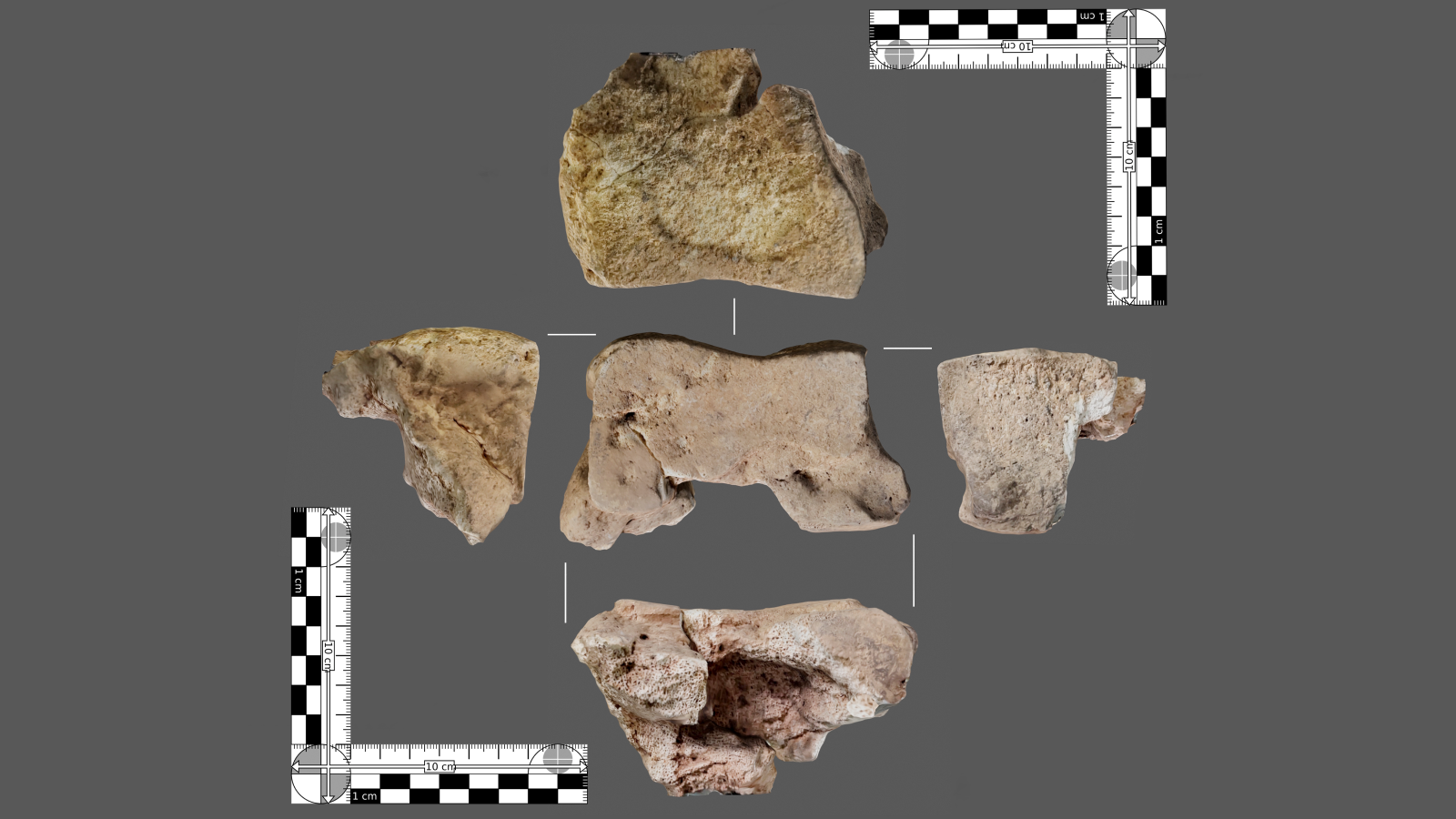
The mysterious bones, unearthed in 2019, initially puzzled scientists because they did not match any native animals. Years later, it was discovered that this was the elephant’s right carpal bone, the “ankle” of the right front leg, which is the equivalent of the human wrist. Researchers believe this particular elephant was introduced by the Carthaginians as a beast of war.
celtic fortress
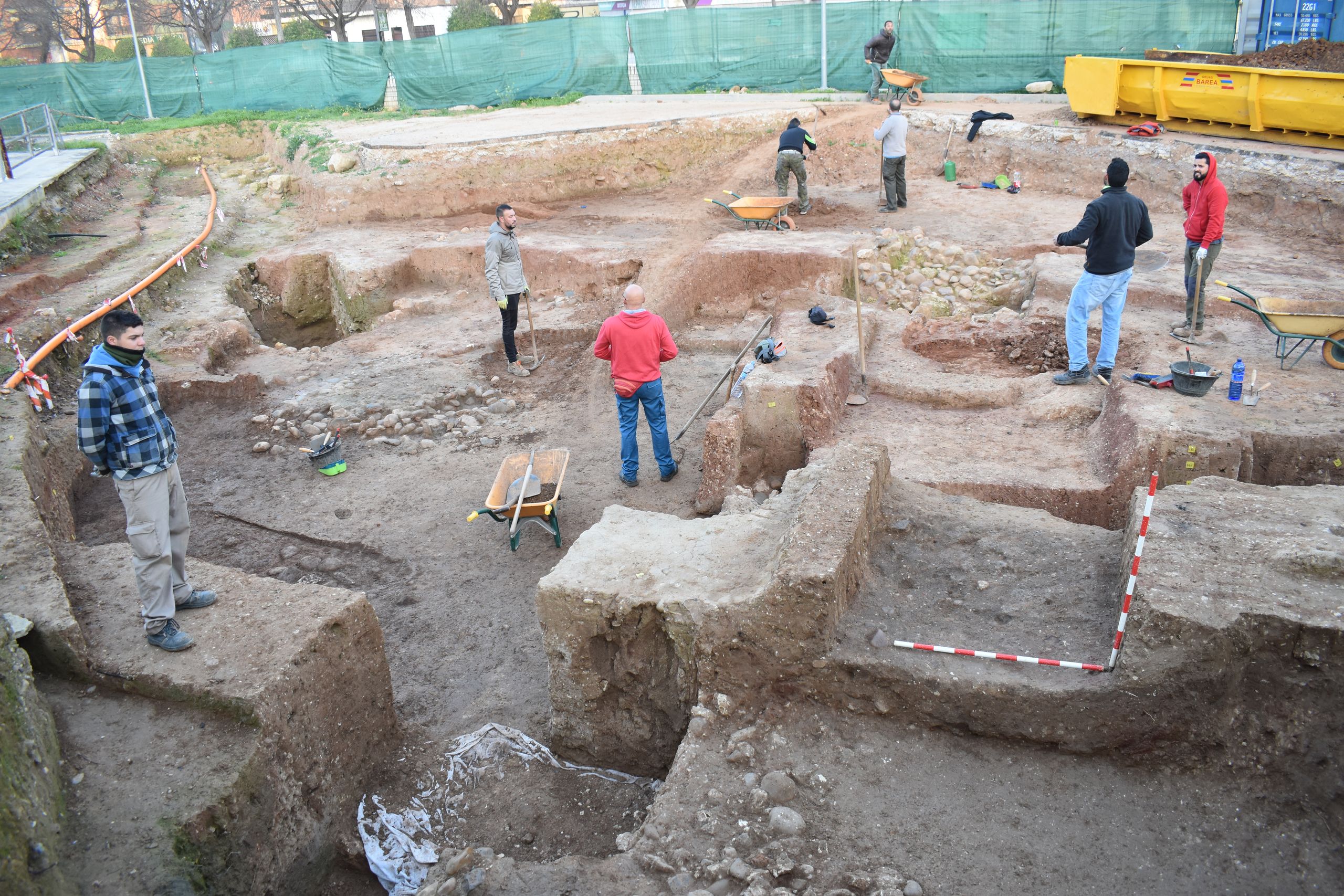
The bones were discovered during an archaeological excavation on the site of a fortified village in Iberia, in a layer of soil that has been radiocarbon dated to around 2,250 years ago, or before the Romans took control of the area around 150 BC. The Romans called such fortified villages oppida. They were commonly used by the ancient Celts and were often built on hills, here at defensible river bends.
The ancient city-state of Carthage, on the coast of modern-day Tunisia, was originally a Phoenician colony, and its warships were especially feared. But its army was also powerful, and Carthage used war elephants in its first two Punic wars against the Roman Republic. Its main objective was the control of strategic areas in the Western Mediterranean.
The elephant apparently died in the battle during the Second Punic War (218-201 BC) when Carthaginian troops stationed nearby were involved in a battle at an ancient fortified village near Cordoba, the researchers wrote in their study.
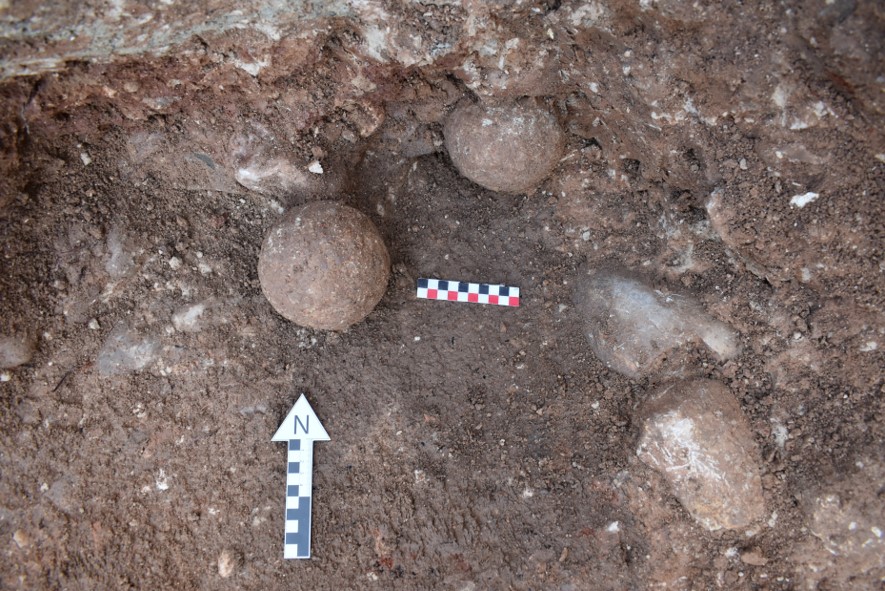
Other signs of military conflict at the site included 12 spherical stones that researchers believe were Carthaginian catapult ammunition.
Most of the elephant’s skeleton appeared to have rotted away, but the carpal bones were protected by a collapsed wall, the researchers wrote. However, since the bones are small enough to be carried around, we have not ruled out the possibility that they survived because they were taken away as souvenirs.
you may like
Martínez Sánchez said it is currently impossible to determine whether the animal is an Asian elephant (Elephas maximus indicus), the species used by Greek King Pyrrhus of Epirus (known for his eponymous “Pyrrhic Victory”) against the Romans about 10 years before the First Punic War, or an extinct species of African elephant favored by the Carthaginians in warfare. beasts.
hannibal march
Hannibal Barca, a Carthaginian general and nobleman, launched his famous attack on Rome around 218 BC, leading his army a long way through Western Europe and into Italy. Although most of his war elephants died crossing the Alps, Hannibal’s forces enjoyed many victories over the Romans in Italy.
Hannibal was recalled to Carthage in 203 BC to protect it from Roman attacks. However, the Carthaginians had experienced the First Punic War more than 20 years earlier, and ultimately lost the Second War with Rome. (About 50 years later, Rome orchestrated the Third Punic War, but the weakened Carthage also lost and was destroyed.)
Researchers stressed that it was impossible that the elephant that died near Cordoba was one of the “legendary specimens” that crossed the Alps with Hannibal. However, the bone is a relic from the ancient Punic wars for control of the Mediterranean, and represents the passage of “ancient giant chariots” through the Mediterranean. [Iberian] peninsula,” the researchers wrote.
M. Martinez-Sánchez, R. et al. (2026). Elephant in the oppidum. Preliminary analysis of Punic period carpal bones from the Colina de los Quemados site (Córdoba, Spain). Journal of Archaeological Sciences: Report, 69, 105577. https://doi.org/10.1016/j.jasrep.2026.105577
Source link
