
Close Menu
  • Home
  • Identity
  • Inventions
  • Future
  • Science
  • Startups
  • Spanish
What's Hot

France ditches Windows for Linux to reduce dependence on US technology

PSA: If you use the Meta AI app, your friends will find out and embarrass you

GlassWorm campaign uses Zig Dropper to infect multiple developer IDEs

Facebook X (Twitter) Instagram
  • Home
  • About Us
  • Advertise with Us
  • Contact Us
  • DMCA
  • Privacy Policy
  • Terms & Conditions
  • User-Submitted Posts
Facebook X (Twitter) Instagram
Fyself News
  • Home
  • Identity
  • Inventions
  • Future
  • Science
  • Startups
  • Spanish
Fyself News
Home » History of Science: Doctors Hypothesize that ‘Infectious Proteins’ Can Cause Disease, Contradicting ‘Central Tenets’ of Molecular Biology — April 9, 1982
Science

History of Science: Doctors Hypothesize that ‘Infectious Proteins’ Can Cause Disease, Contradicting ‘Central Tenets’ of Molecular Biology — April 9, 1982

By April 9, 2026No Comments4 Mins Read
Share Facebook Twitter Pinterest Telegram LinkedIn Tumblr Email Copy Link
Follow Us
Google News Flipboard
Share
Facebook Twitter LinkedIn Pinterest Email Copy Link

Milestone: Identification of prion

Date: April 9, 1982

Location: San Francisco

People: Dr. Stanley Prusiner

On April 9, 1982, doctors at the University of California, San Francisco published a paper in Science showing that an infectious protein causes a neurodegenerative disease in sheep. In doing so, he changed our understanding of how some diseases are transmitted.

Dr. Stanley Prusiner was researching a disease called scrapie that affected sheep and goats. How scrapie is transmitted from animal to animal has long been a mystery. He has also long been troubled by seeing a patient die rapidly from the degenerative brain disease Creutzfeldt-Jakob disease (CJD) 10 years ago. The patient had no fever or other signs of immune system activation, and no signs of bacterial or viral infection. But Prusiner was told that the patient was infected with a “slow virus,” meaning one that progresses over a longer timescale than a normal virus.

“At the time, I was beginning my neurology training, and what struck me most was a disease process in which a patient’s body is not affected by this process and the patient’s brain can be destroyed, resulting in death in two months,” he later said in a speech about his discovery.

you may like

In the 1950s, the term “slow virus” was coined to describe scrapie disease in sheep and goats. By the 1960s, scientists began applying the term to specific human diseases, noting that “kuru,” a disease that struck the Fore tribe of Papua New Guinea, appeared to be transmitted when tribe members ate the brains of people who had previously died from the disease.

Research in chimpanzees in the 1960s showed conclusively that Creutzfeldt-Jakob disease, a fatal and relentless brain disease that appears to run in families, could also be transmitted by feeding chimpanzees with brain tissue from affected animals. When viewed under a microscope, brain tissue affected by kuru, scrapie, and CJD all looked very similar, with a characteristic “spongy” appearance. In other words, the brain tissue became porous, like a sponge.

However, there was a mystery. CJD appeared to run in families. So how can viruses and bacteria be both heritable and infectious?

Prusiner initially studied CJD, but switched his focus to scrapie after seeing data from a team led by radiobiologist Tykva Alper. Alper discovered that scrapie can be transmitted even when infected tissue is exposed to ultraviolet light, which damages DNA.
Get the world’s most fascinating discoveries delivered straight to your inbox.

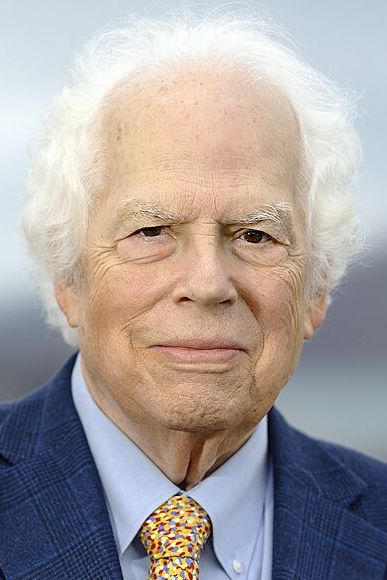
A man with wavy gray hair wearing a blue blazer, blue buttons and a yellow patterned tie looks at the camera.

Dr. Stanley Prusiner discovered the existence of prions. (Image credit: Christopher Michel, CC BY 4.0, via Wikimedia Commons)

So Prusiner began studying scrapie in the spleen and brain of mice. However, since symptoms appear within 70 days in hamsters, compared to one to two years in mice, they quickly switched to hamsters. He then worked systematically to isolate and identify the chemical nature of the “infectious agents” that caused the disease.

Eventually, he identified a protein as the culprit.

“Six different lines of evidence indicate that the scrapie pathogen contains proteins necessary for infectivity,” Dr. Prusiner wrote in his seminal 1982 study. All of these showed that disrupting the structure of the protein short-circuits scrapie infection. He went on to show that there was no evidence of the presence of nucleic acids, such as DNA or its analogues, in the samples. He proposed the name “prion” to describe the infectious protein and suggested that it might “encode its own biosynthesis,” adding that “this hypothesis contradicts the ‘central dogma’ of molecular biology.”

What to read next

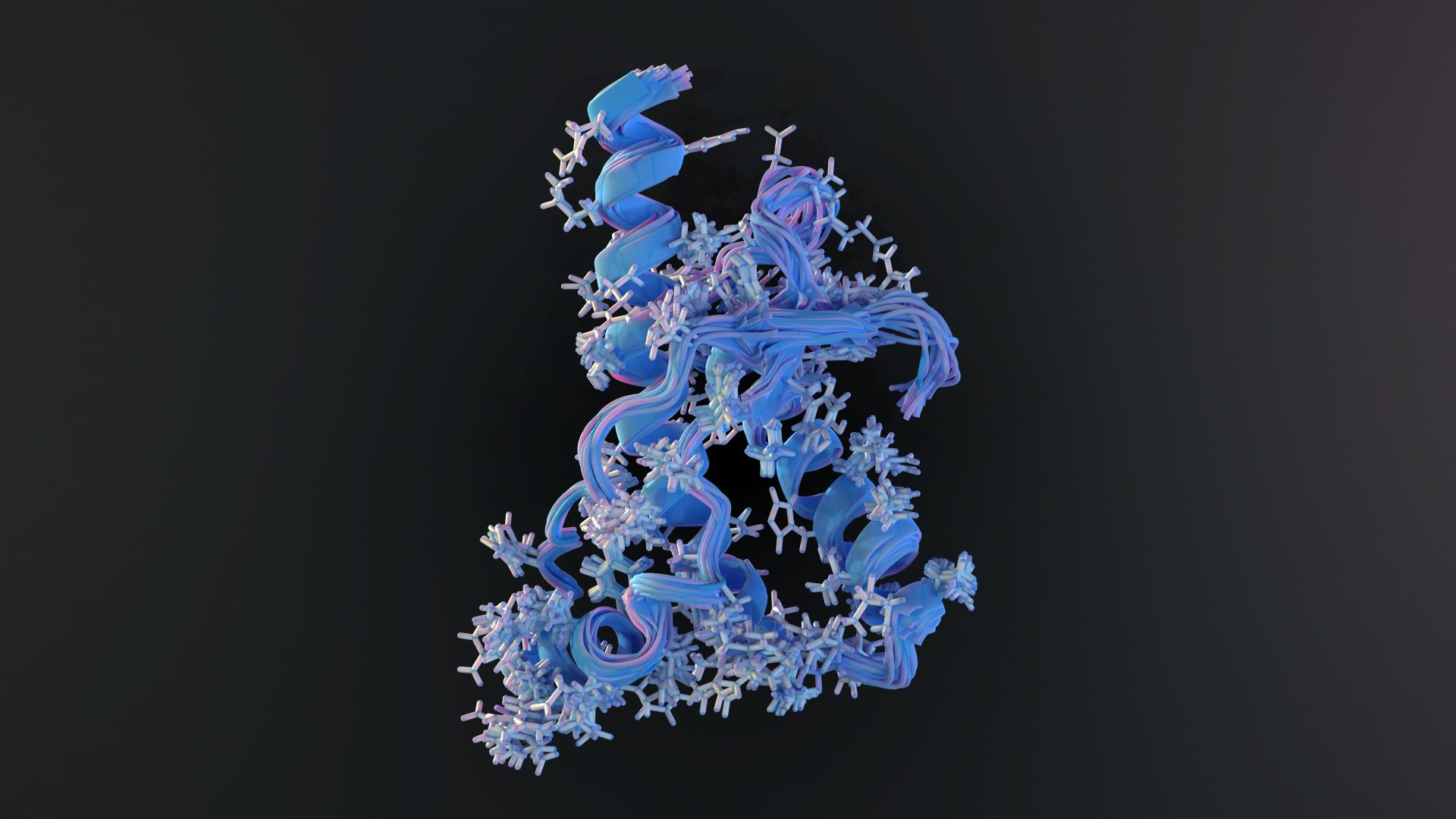
Prusiner’s proposal was not initially widely accepted. But over the next 15 years, scientists solved the prion’s protein structure and showed that prions can adopt multiple conformations, even when encoded by the same DNA sequence. The researchers also showed how prion shapes resist degradation and that prions can “convert” healthy versions of proteins into diseased forms.
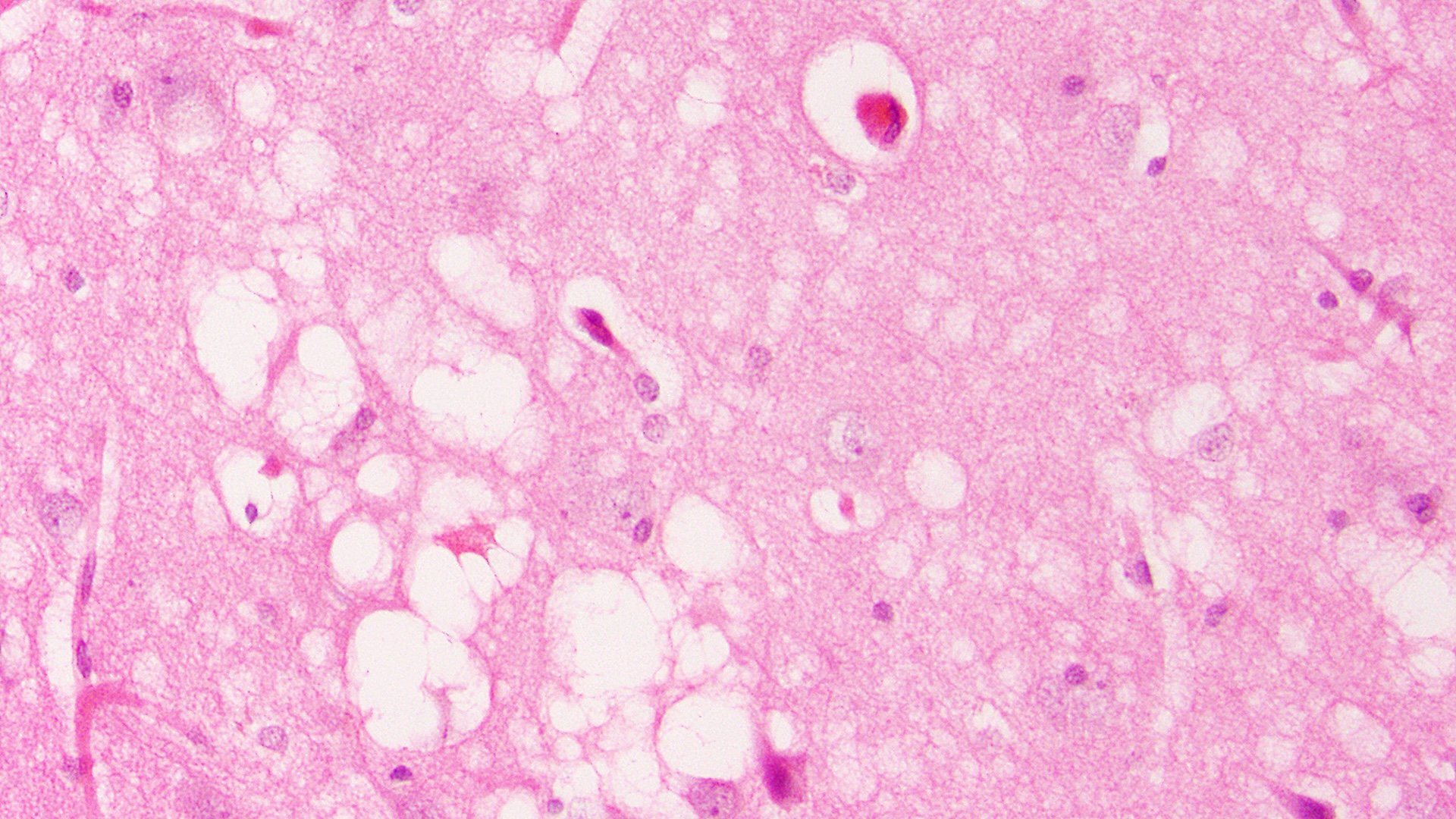
Microscopic image of a prion

Microscopic image of human brain tissue. Holes (white spots) in the brain are considered the “trademark” of prion diseases. (Image credit: UCSF, Getty Images)

Follow-up studies of familial CJD cases have found that certain genes may predispose people to the disease, and that DNA damage determines the incubation period of the disease.

Prusiner won the Nobel Prize in Physiology or Medicine in 1997 for his research on prions.

Prusiner’s hypothesis was tested in the early 2000s when a mad cow disease epidemic hit the UK. Scientists will ultimately determine that humans became infected after eating beef from cows fed brain tissue from cows infected with bovine spongiform encephalopathy (BSE). Humans who consume meat from cows infected with BSE develop a type of CJD known as “mutant CJD.”


Source link

#Biotechnology #ClimateScience #Health #Science #ScientificAdvances #ScientificResearch
Follow on Google News Follow on Flipboard
Share. Facebook Twitter Pinterest LinkedIn Tumblr Email Copy Link
Previous ArticlePoke makes using AI agents as easy as sending a text
Next Article New insulation concept for liquefied hydrogen tanks

Related Posts

Artemis II returns live: NASA prepares for Artemis II crew’s dangerous return to Earth at record-breaking speed

April 10, 2026

James Webb Telescope discovers ‘Stingray’ galaxy that could solve ‘little red dot’ mystery

April 9, 2026

Scientists develop new type of encryption to protect video files from quantum computing attacks

April 9, 2026
Add A Comment
Leave A Reply Cancel Reply

Latest Posts

France ditches Windows for Linux to reduce dependence on US technology

PSA: If you use the Meta AI app, your friends will find out and embarrass you

GlassWorm campaign uses Zig Dropper to infect multiple developer IDEs

PoET telescope makes first observation in exoplanet research

Trending Posts

Subscribe to News

Subscribe to our newsletter and never miss our latest news

Please enable JavaScript in your browser to complete this form.
Loading

Welcome to Fyself News, your go-to platform for the latest in tech, startups, inventions, sustainability, and fintech! We are a passionate team of enthusiasts committed to bringing you timely, insightful, and accurate information on the most pressing developments across these industries. Whether you’re an entrepreneur, investor, or just someone curious about the future of technology and innovation, Fyself News has something for you.

Castilla-La Mancha Ignites Innovation: fiveclmsummit Redefines Tech Future

Local Power, Health Innovation: Alcolea de Calatrava Boosts FiveCLM PoC with Community Engagement

The Future of Digital Twins in Healthcare: From Virtual Replicas to Personalized Medical Models

Human Digital Twins: The Next Tech Frontier Set to Transform Healthcare and Beyond

Facebook X (Twitter) Instagram Pinterest YouTube
  • Home
  • About Us
  • Advertise with Us
  • Contact Us
  • DMCA
  • Privacy Policy
  • Terms & Conditions
  • User-Submitted Posts
© 2026 news.fyself. Designed by by fyself.

Type above and press Enter to search. Press Esc to cancel.