

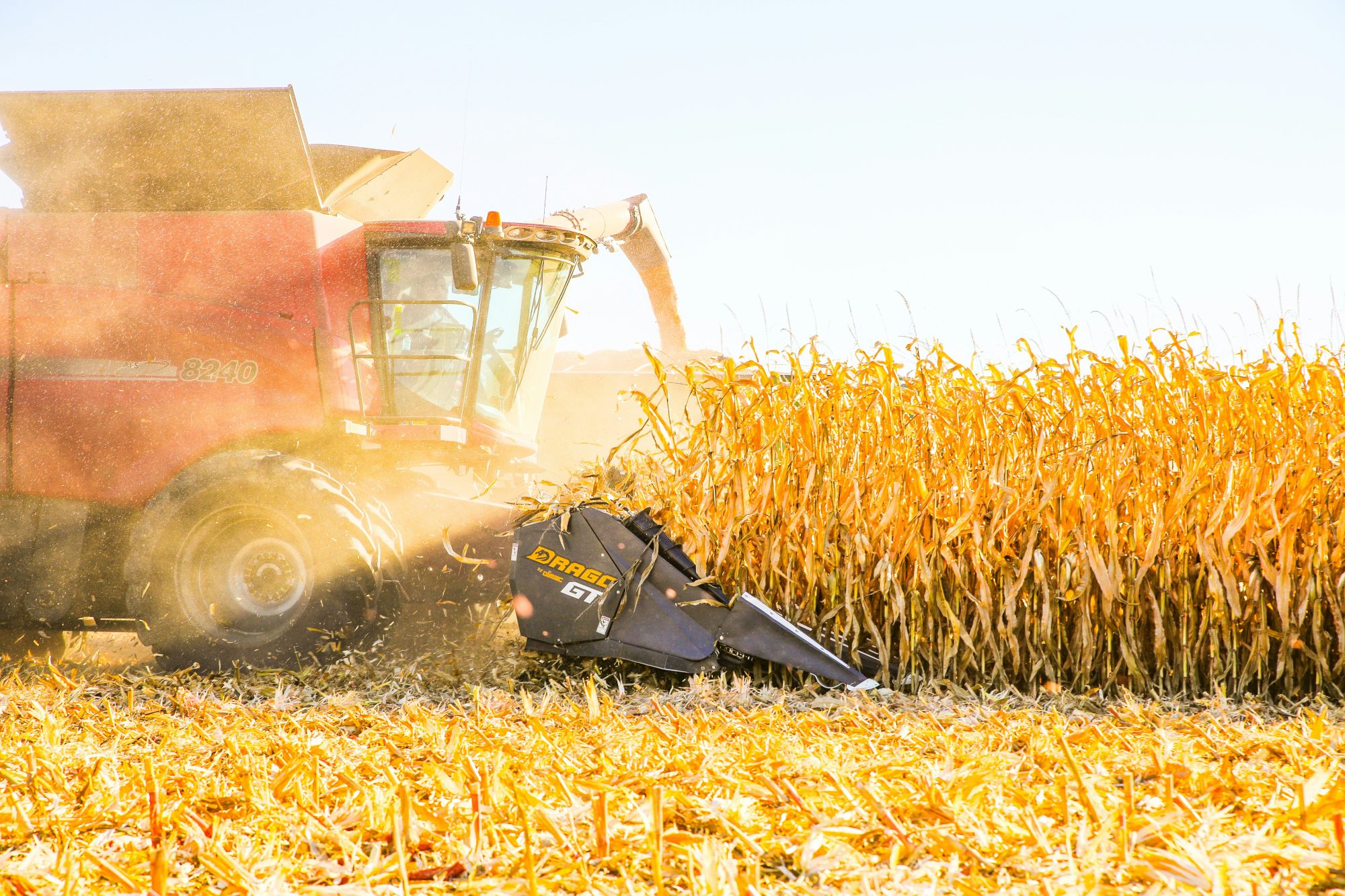
A surprising amount of food is lost between harvest and market, but this is not always the case. Jack Shaw explores innovations that increase food security, profitability, and sustainability.
Around the world, a significant portion of harvested food does not reach markets, stores and supermarkets and is lost during handling, processing or distribution chains. This is a major challenge for global food security, but there is hope on the horizon.
As technology advances, a wave of post-harvest innovation is creating more resilient and efficient food production systems.
Why post-harvest food loss is important
When harvested food goes bad, the overall supply decreases, prices soar, and farmers’ incomes decline, especially in developing countries. Over time, food becomes less accessible and affordable to vulnerable populations. The loss of fresh food can also have a negative impact on nutrition, as the resources used in its production, such as water, land and energy, are wasted.
In Europe and North America, an estimated 9.19% of harvested food is lost during handling, storage, processing, transportation, and distribution. For the food and agriculture sector, this loss is a major source of Scope 3 emissions. This includes emissions from the production of goods that are not consumed, the transportation of those goods, and the methane released from decomposition in landfills.
To understand how to mitigate this, it is important to trace the journey of food from field to fork and examine the innovations at each stage.
New preservation and storage techniques
The first important task is to ensure that the food you harvest does not spoil quickly. Innovations here address storage and advanced technology to help prevent spoilage.
sealed bags and silos
Closed storage is a highly effective technique to combat the two main enemies of stored dry goods: pests and moisture. This is an airtight storage solution in which the grain itself consumes the remaining oxygen. This deprives everything of oxygen, including aerobic microorganisms such as insects and mold. This process uses unique biology to effectively fumigate the product and also prevents the ingress of airborne moisture.
The process requires no chemicals, significantly increasing sustainability, resulting in safer food, lower input costs, and a product that meets strict organic standards. It can also reduce storage losses to less than 1%, directly protecting both revenue and food security. The technology is highly scalable and ranges from low-cost sealed bags for small-scale farmers to fully automated sealed silos for large-scale commercial operations.
Atmosphere controlled storage
This is a high-tech evolution of cold storage, especially designed for high-value, perishable produce such as fruits and vegetables. By controlling the temperature, gas composition, and humidity of the air in the storage room, we create a state of suspended animation for the produce, dramatically slowing down the natural aging and ripening processes.
Controlled atmosphere storage greatly extends shelf life and maintains flavor, firmness, and nutritional value, which commands a premium price for this produce. This food production technology allows sensitive products such as berries, bananas and avocados to be transported across oceans, opening up global markets that would otherwise be inaccessible.
edible coating
Promising techniques include using natural materials such as starch, shellfish chitosan, whey, soy, and wax to create an invisible, ultra-thin second skin around fresh food. This effectively gives each item its own controlled atmosphere, slowing down the fruit’s metabolism and ripening. It also prevents produce from dehydration, wrinkling and weight loss, and inhibits microbial growth, especially when the coating is infused with natural antibacterial agents such as cinnamon and thyme.
This extended shelf life directly translates into reduced food waste and revenue loss. It also reduces the need for single-use plastic packaging, helping businesses meet their Scope 3 and plastic reduction targets. Edible coatings also appeal to environmentally conscious consumers. It retains its flavor, hardness, and color, allowing it to maintain its premium price.
Advances in smart food processing
After initially storing and preserving the harvested food, the next question is how to process it to make it last longer or to add value. Smart processing techniques can transform perishable raw materials into stable, value-added products that are also easier to transport and store.
freeze dry
Freeze-drying is not a new concept in food manufacturing, but it is evolving into something smarter. Until now, this technology consumed large amounts of energy and had a large environmental impact. New innovations use microwave or infrared energy to reduce drying time. This reduces costs and allows produce to move along the chain more quickly. When combined with green energy sources or heat recovery systems, the process becomes more sustainable and profitable.
Freeze-drying also allows the creation of high-value, long-lasting products such as instant coffee, astronaut food, military rations, and fruit snacks, effectively preventing waste and increasing economic value.
Post-harvest innovation in supply chain logistics
Now that food is harvested, stored, preserved, and optionally processed, the final problem is how to get it safely to store shelves. The farm-to-fork journey is a critical point of failure in the supply chain. Physical damage during transportation is a major cause of food waste, especially for delicate produce.
Automated end-line solutions, such as advanced strapping machines, are revolutionizing baggage securing. By applying consistent and precise tension, these systems prevent crushing and bruising common to manual handling. This ensures the stability of the load during transport and significantly reduces spoilage and waste. Automated machines can typically process up to 70 pallets per hour, increasing efficiency and minimizing the time produce spends out of the cold chain.
Other logistics innovations include cold chain monitoring and GPS route optimization to ensure produce travels the shortest distance to retailers and arrives in more optimal condition.
The future is data-driven
Beyond these innovations in the farm-to-fork process, post-harvest innovations in general are steadily moving toward data-driven breakthroughs. IoT sensors and blockchain are creating a transparent and responsive supply chain. Data analytics can predict spoilage hotspots, optimize inventory management, and improve traceability.
Research into using digital twins in the cold chain is perhaps one of the most important ongoing innovations that is still in the prototype stage. This combines existing IoT data with predictive AI to create a virtual replica of your shipment, enabling dynamic quality control and preventing breakage before it occurs.
Leveraging AI to enhance food security is an ongoing process. Some of these applications are already being widely adopted, from predicting optimal harvest times and automating logistics route planning to AI-powered automated produce grading. However, significant barriers remain to broader adoption, including upfront costs, connectivity issues, and privacy concerns. If these concerns can be addressed, data-driven solutions could rapidly accelerate.
Innovation for a food-secure tomorrow
Post-harvest innovations are creating smarter, more resilient food production systems. From sealed storage to AI-powered logistics, these technologies will enable more of the harvest to reach the retail sector. This strengthens food security for vulnerable populations, improves profitability for farmers, and reduces the industry’s environmental footprint.
The farm-to-fork journey is transforming into an efficient, data-driven and sustainable pathway, demonstrating a clear commitment to a food-secure future where both people and planet can thrive.
Source link
