

First Hydrogen Corp. is stepping into the fast-growing world of actuators and robotic systems through a new agreement with Exodus Actuation Solutions Inc., known as RoboticsCo.
The two companies have signed a binding letter of intent in which First Hydrogen will acquire a 60% stake in Roboticsco, marking a significant shift towards advanced automation and intelligent electromechanical systems.
RoboticsCo brings substantial intellectual property. The company manages or licenses 25 granted patents, with a further 11 pending, covering its proprietary Exodus Actuation gearbox and high-performance motor platform.
These technologies are already being implemented in robotics, automotive, and packaging operations around the world.
Why actuators and robotics matter now
At the core of modern automation are actuators. Simply put, actuators convert electrical energy into controlled mechanical movement.
When combined with robotic systems, machines can perform detailed, repetitive, and high-risk tasks with a level of consistency that cannot be achieved by hand.
In industrial environments, actuator and robotic solutions are already essential for production lines and material handling. However, their role is rapidly expanding. Electric mobility systems, drones, and autonomous platforms all rely on precise motion control.
Advanced actuators enable robotic arms to assemble battery packs, drones to stabilize themselves in the air, and automation systems to function reliably under extreme conditions.
This shift is particularly important in clean energy. Robots are increasingly being used to install, inspect, and maintain solar power plants, wind turbines, hydrogen facilities, and battery storage. Automation reduces downtime, improves safety, and enables optimal operator performance.
Highly efficient electronic actuators combined with AI-driven controls can reduce energy consumption while improving precision.
Powering the future of electric vehicles
For First Hydrogen, actuator and robotic capabilities are more than just an opportunity. These are the foundations for the evolution of electric vehicles and their manufacturing ecosystem.
In electric cars, actuators effectively act as the muscles of the vehicle. Converts electronic commands into braking force, steering adjustments, and charging port locking mechanisms.
As vehicles move from mechanical linkages to fully intelligent systems, precision electromechanical components become essential.
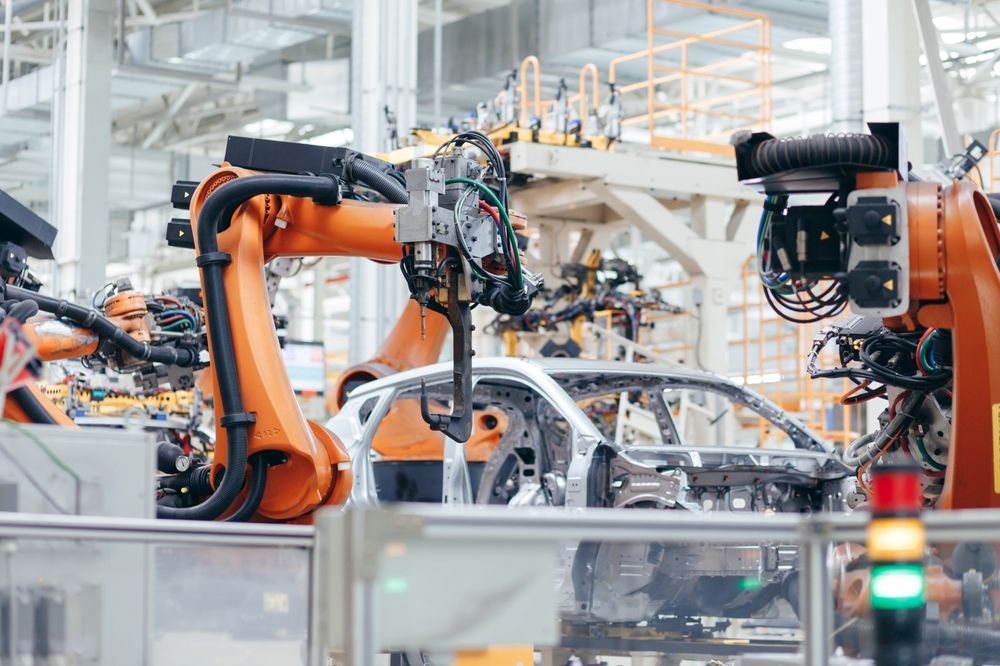
On the production side, robotics and automation are changing the way EVs are manufactured. Complex battery systems and advanced powertrains require highly controlled assembly environments.
Integrating proprietary robotics and actuator intellectual property supports more vertically integrated energy and mobility platforms.
Investment in the humanoid robot boom
The move also positions First Hydrogen in the rapidly emerging humanoid robot market.
According to a study by Morgan Stanley, the humanoid sector could reach $5 trillion by 2050, with more than 1 billion humanoid units in operation around the world, and vast supply chains and support services.
Under the proposed transaction, First Hydrogen will issue 2 million common shares and invest $2 million in stages to advance Roboticsco’s technology, subject to due diligence and regulatory approvals, including the TSX Venture Exchange.
Once completed, this transaction will position First Hydrogen at the intersection of clean energy infrastructure and next-generation actuator and robotics innovation. These two areas are becoming increasingly intertwined as industries automate and decarbonize.
Source link
