

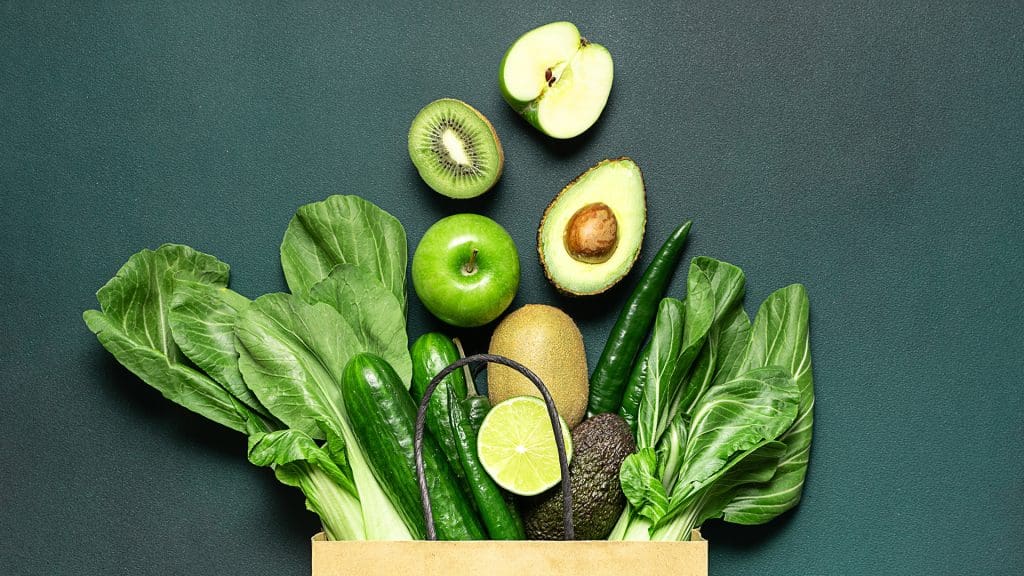
The European Commission’s investment proposal aims to accelerate innovation in sustainable food production as part of a new strategy for European life sciences.
The European Commission is working to transform food production across Europe using biotechnology, sustainability and capital investment. As part of the recently published European Life Sciences Strategy, the EU is targeting sustainable food systems, including precision fermentation, advanced fermentation and bio-based solutions, as key drivers of competitiveness, resilience and climate-friendly growth. These initiatives aim to support the 2025 Bioeconomy Strategy, which aims to strengthen Europe’s position in the global food and life sciences market.
Why food innovation is a strategic priority for Europe
Europe’s food and agricultural systems are facing increasing social and environmental pressures. Climate change, biodiversity loss, pollution and resource scarcity are increasingly impacting agricultural productivity, while dependence on imports and commodity supply chains creates strategic vulnerabilities.
European policymakers see biotechnology and life sciences, including sustainable food technologies such as precision fermentation, as essential to enhancing food security, reducing environmental impacts and promoting economic resilience. Producing nutritious food with reduced greenhouse gas emissions and land use will help build circular and high-value bioeconomy value chains across the EU.
How does food fit into the new strategy for life sciences and European life sciences?
The European Life Sciences Strategy represents an expansion of Europe’s approach to life sciences. Historically focused on health technologies and medicines, the Strategy now places biotechnology, synthetic biology, biomanufacturing and food innovation at the heart of the EU’s industrial and sustainability policy.
This expanded focus means that research on advanced fermentation, precision fermentation, and other sustainable food technologies will be treated on a par with research on health innovations. For example, precision fermentation allows microorganisms to produce specific proteins and ingredients, creating new foods with a much lower environmental impact than traditional agriculture.
From strategy to capital: why investment is the missing link
Europe has strong scientific talent and excellent research. Still, many biotech and food technology innovations struggle to bridge the so-called “valley of death” between laboratory discovery and commercial scale-up. Market fragmentation, regulatory complexity, and limited access to growth-stage venture capital are forcing some promising companies to relocate offshore.
Recognizing this, the Strategy emphasizes the importance of financial investment in sustainable food innovation. Infrastructure, pilot facilities, scale-up funding, and public-private partnerships are now considered essential to converting research into market-ready solutions. Without such investments, Europe risks losing ground in the global food technology race.
Recent investment proposals of the European Commission
In mid-2025, the European Commission announced a €350 million funding package as part of the European Life Sciences Strategy to accelerate innovation in food and biotechnology. Part of this funding will be provided through the EU’s Horizon Europe program and is focused on enabling advanced and precision fermentation technologies to produce sustainable food ingredients. Approximately 150 million euros will be allocated in 2025 and a further 200 million euros in 2026-2027.
The funding will target scaling up fermentation processes, supporting start-ups and small businesses to commercialize research, and establishing a public-private partnership platform. Precision fermentation, long used in the production of enzymes and dairy ingredients, is being applied to novel proteins, palm oil alternatives, and other bio-based food inputs. It is hoped that these investments will improve sustainability, efficiency and consumer choice, while fostering new jobs and industrial capacity in Europe.
The problem the proposal is trying to solve
Despite Europe’s research strengths, multiple obstacles continue to hinder the commercialization of food biotechnology innovations. The high cost of demonstration equipment prevents many companies from progressing from laboratory-scale research to industrial production, and the infrastructure gap remains a major impediment. Regulatory uncertainty also weighs heavily. Novel foods, including those produced by precision fermentation, face lengthy approval processes under the EU’s Novel Foods Framework, which can hinder investment and delay market entry.
Market fragmentation between EU member states adds further complexity. Differences in national regulations and market conditions make cross-border scaling difficult, while traditional financial intermediaries are often hesitant to fund risky, long-term biotech ventures. The European Commission’s proposals could reduce these barriers, as coordinated funding, infrastructure support and regulatory guidance aim to create an environment in which innovation can flourish.
Translating policy ambitions into market realities
Funding alone is not enough. To maximize effectiveness, the European Commission is promoting structural enablers such as the EU Biotechnology and Biomanufacturing Hub, which help SMEs navigate financing opportunities, connect with investors and comply with regulations. Cross-sectoral collaboration and regional innovation ecosystems are also important, allowing startups to integrate into supply chains, share expertise, and access resources that would otherwise be out of reach.
Officials emphasize that a combination of financial investment, infrastructure development and regulatory clarity can make Europe a more attractive destination for sustainable food innovation.
How the 2025 Bioeconomy Strategy supports food technology investment
The 2025 EU Bioeconomy Strategy, adopted in late 2025, complements the Life Sciences Strategy by promoting a competitive, circular and sustainable bioeconomy. Our focus is on increasing innovation and investment, creating key markets for bio-based technologies, ensuring sustainable biomass supplies and leveraging global opportunities.
The strategy encourages the conversion of agricultural and organic raw materials into food ingredients and bio-based products by linking biotechnology, biomanufacturing and sustainable food production. It also aims to improve regulatory clarity, align EU, national and private financing, and expand access to infrastructure to reduce the risks and costs associated with scaling up new technologies.
Implications for European food innovators and investors
Both the Life Sciences Strategy and the Bioeconomy Strategy represent a major policy shift from good research to tangible commercial outcomes. For European start-ups and scale-ups, these strategies promise lower barriers to growth, clearer regulatory pathways and improved access to infrastructure and capital.
Industry observers have suggested that a focus on fermentation and sustainable food systems could help Europe remain globally competitive, attract investment and foster cooperation across agriculture, biotechnology, food processing and digital innovation. This initiative could help European companies transform innovations from the lab into products that reach consumers more efficiently and sustainably.
Positioning Europe as a leader in sustainable food innovation
Europe’s evolving policy landscape reflects a clear ambition to drive sustainable food innovation through strategic investment, regulatory reform and ecosystem support. Through a combination of funding and a tailored infrastructure and policy framework, the European Commission aims to bridge the gap between scientific discovery and market deployment.
If these initiatives are successfully implemented, Europe has the potential to position itself as a global leader in sustainable food technology, shaping the future of our food system, creating economic opportunities and strengthening our resilience in the face of environmental and social challenges.
This article will be published in an upcoming Special Focus Publication on Food.
Source link
