

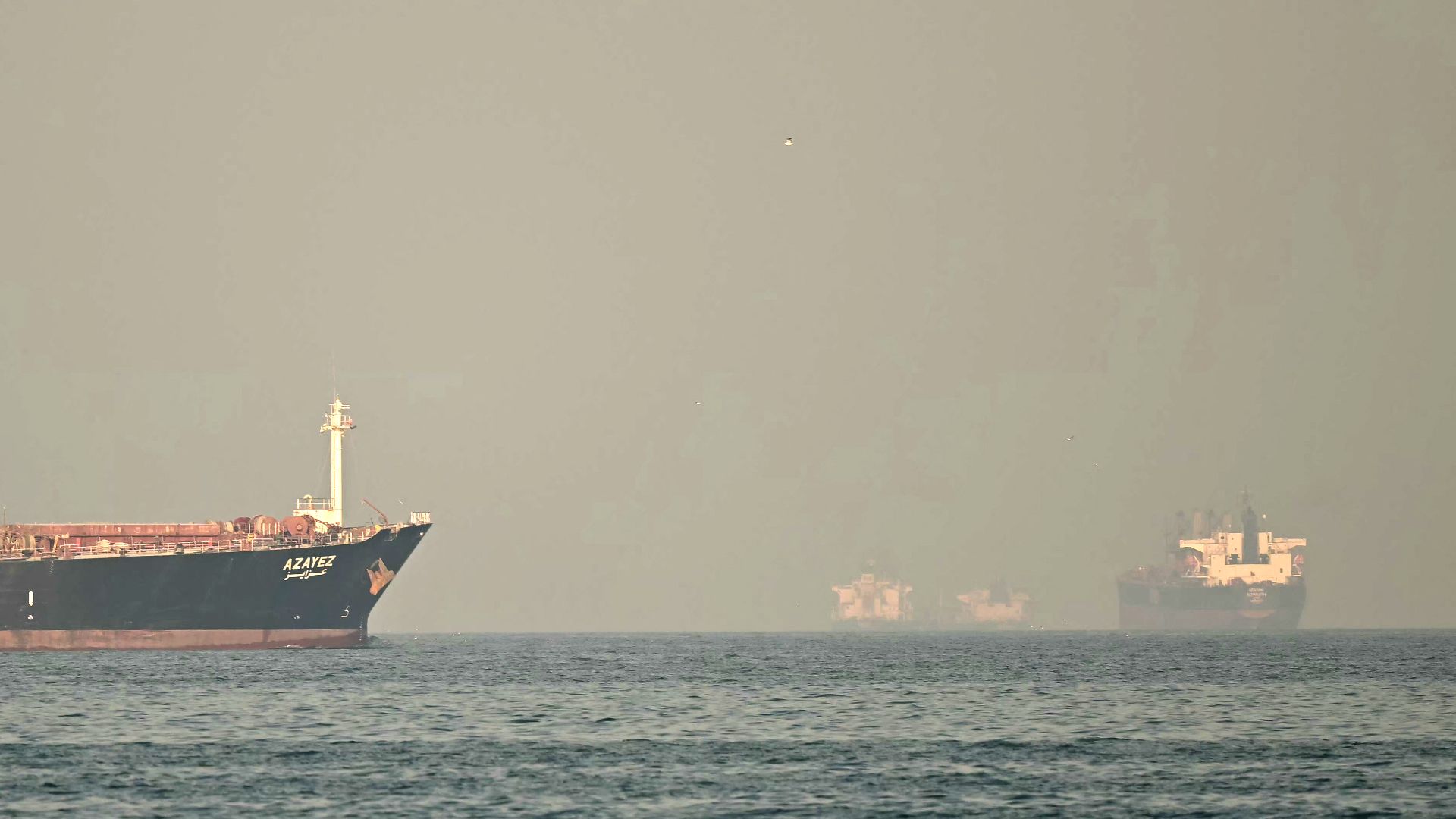
Tehran is moving to restrict or effectively close shipping traffic in the Strait of Hormuz as part of the latest escalation in the war involving Iran.
Markets are reacting to the global impact of the closure of this incredibly busy shipping route, focusing on the risks to oil and gas flows, the prospect of higher oil prices, and the resulting inflationary pressures.
That concern is valid. But that’s only part of the story. The continued disruption of traffic through Hormuz does not simply constitute an energy crisis. It would also mean a fertilizer shock (a dramatic increase in prices and a decrease in supply), which in turn would be a direct risk to global food security.
Article continues below
you may like
Modern agriculture uses not only sunlight and soil, but also natural gas. When German chemists Fritz Haber and Carl Bosch developed nitrogen fixation in the early 20th century, they did more than simply produce ammonia on a large scale.
They sparked a global chemical revolution that is still the basis of modern civilization and agriculture. Through this process, methane is converted to ammonia, and ammonia is converted to nitrogen fertilizers such as urea, which is the most widely used nitrogen fertilizer. Thanks to these fertilizers, crops can reach the yields that the world’s population depends on today. Without it, wheat, corn and rice yields would decline dramatically.
Approximately one-third of the urea traded worldwide passes through the Strait of Hormuz. The Persian Gulf is central to this system for two structural reasons. First, it provides access to the world’s cheapest natural gas, which is essential for ammonia production.
Second, decades of massive capital investment have built ammonia and urea production capacity in countries across the region, including Qatar, Saudi Arabia, and the United Arab Emirates. This is targeted at the export market. Therefore, a significant portion of the nitrogen fertilizer traded around the world, as well as the liquefied natural gas (LNG) that powers fertilizer plants elsewhere, must pass through the Strait of Hormuz. Closing the strait would threaten not only oil and gas exports, but also the physical flow of nitrogen-based fertilizers and supplies needed to make them.
The immediate impact will be delays in shipments of ammonia, urea, and LNG. It could be discontinued completely or become prohibitively expensive due to rising shipping and insurance costs. But the more serious effects will become apparent on farms around the world in the coming months.
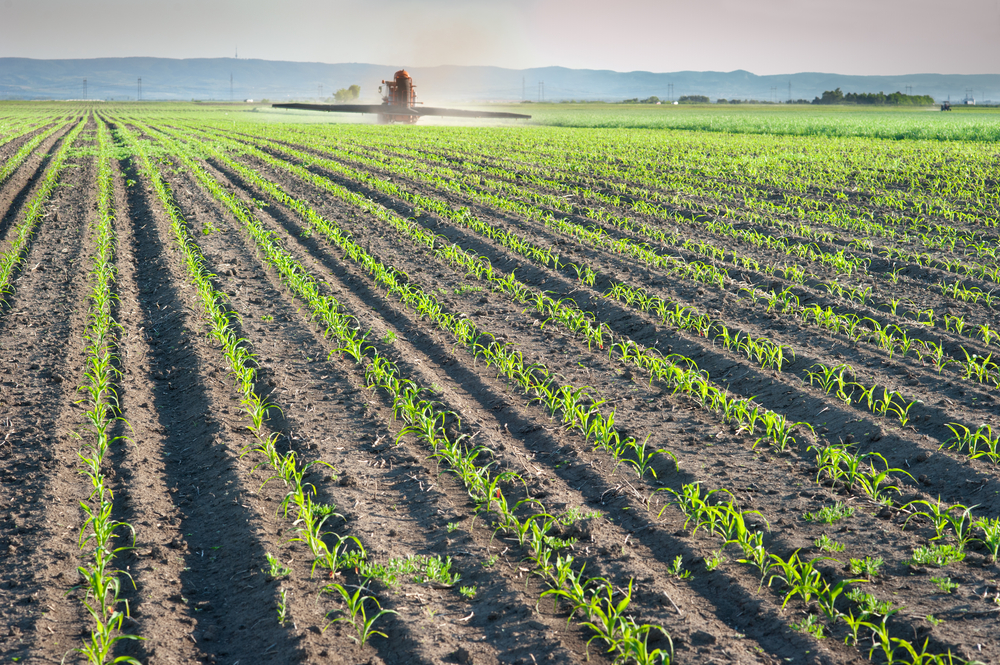
In the Northern Hemisphere, fertilizer purchases accelerate before the planting season. A delay of several weeks can be disruptive. A few months of hiatus can make a big difference. If shipments do not arrive on time, farmers will face difficult choices, such as paying significantly higher prices, reducing spray rates, or changing crop formulations. Depending on how the crop responds, even small reductions in nitrogen use can result in disproportionately large reductions in yield. If this happens, millions of tonnes of crops could be lost. The impact will ripple through global supply chains to feed markets, livestock production, biofuels and ultimately retail food prices.
Don’t each country have its own supplies?
Although some countries have a supply of fertilizer, self-sufficiency is more rare than it appears. India, for example, relies heavily on LNG imports from the Persian Gulf to operate its domestic urea plants. Brazil relies heavily on nitrogen and phosphate fertilizer imports to sustain soybean and corn production.
What to read next
Even the United States, one of the world’s largest fertilizer producers, imports significant amounts of ammonia and urea to meet local demand and keep prices down. Fertilizer use is already low in sub-Saharan Africa. Further increases in prices could further reduce usage, reduce yields, and increase food insecurity.
The system’s vulnerabilities extend beyond nitrogen. Sulfur, an essential nutrient for plant growth, is primarily a byproduct of oil and gas processing. If energy transport through Hormuz is disrupted, sulfur production will decline as well as fuel exports. So the shock not only reduces fertilizer shipments, but also limits how fertilizer can be produced elsewhere.
Synthetic nitrogen production, on the other hand, is closely tied to the energy market as it is produced continuously from natural gas. Any disruption to gas supplies or ammonia trade would immediately limit global nitrogen availability. Estimates suggest that without synthetic nitrogen, the world would be able to support only a fraction of its current population. The Strait of Hormuz therefore lies at the crossroads of energy and food security.
Changing the location of fertilizer production will not happen overnight. Financing and building a new ammonia plant takes years. The double-digit decline in exports from key regions cannot be quickly offset. In the meantime, prices will rise, trade flows will change and tree planting decisions will be made under uncertainty. Food price inflation, which has historically been correlated with social unrest, could intensify.
Central banks are primarily focused on fuel-driven inflation and may underestimate the impact of fertilizer shortages on overall prices. Importantly, fertilizer shocks are less immediate than oil shocks. Gasoline prices can change overnight. The yield will become clear after a few months. However, the latter can be more unstable.
Controlling and closing this narrow maritime chokepoint would reshape the cost of living far beyond the Persian Gulf.
If the 20th century taught policymakers to fear oil embargoes, the 21st century should teach them to fear fertilizer shocks. Energy markets can absorb shocks through reserves and substitutes. But the buffers in the global food system are much thinner. If the turmoil in Hormuz continues for a long time, oil prices will not simply be reset. It will test the resilience of the industrial nitrogen cycle on which modern civilization depends.
Oil powers cars. Nitrogen gives power to crops. If the Strait of Hormuz is closed, the most significant price may not be Brent crude, but the cost of feeding the world.
This edited article is republished from The Conversation under a Creative Commons license. Read the original article.
Source link
