

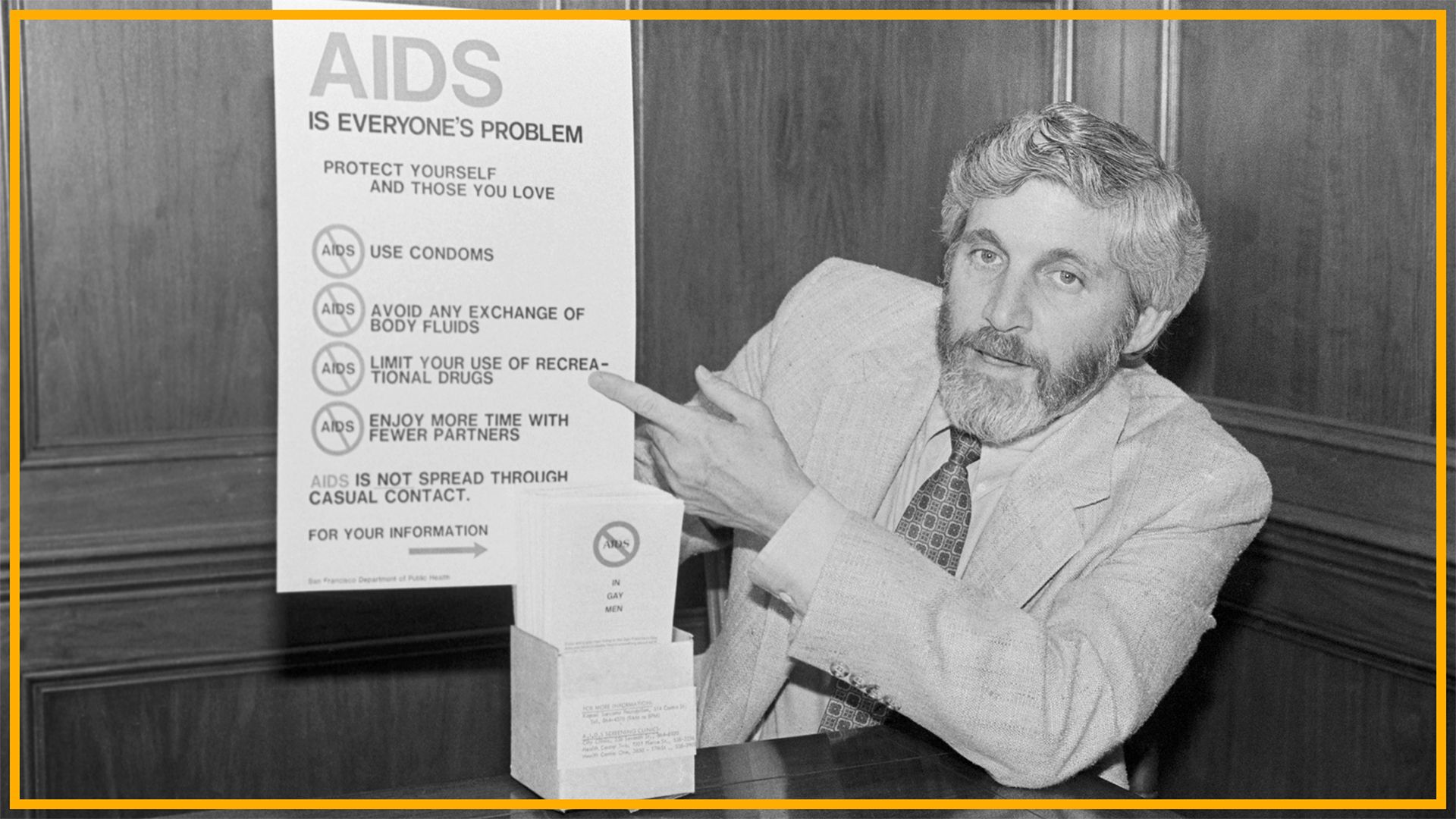
In just one year, Secretary of Health and Human Services (HHS) Robert F. Kennedy Jr. (RFK Jr.) has done enormous damage to an extraordinarily successful HIV prevention program and left the nation nearly defenseless against the emerging HIV pandemic just when eradication seemed possible.
These unprecedented acts have surprised and frightened many working in the field. But I know from past personal experience that strong science, driven by strong advocacy, can get us back on the path to eliminating HIV.
Article continues below
you may like
Gay men were the main risk group. The number of people diagnosed with AIDS exploded exponentially, and everyone died a slow, lingering, excruciating death. Patients became blind and weak, suffered from vomiting and suffocation, had sores all over their bodies, and were often abandoned by neighbors, family, and friends for fear of contagion.
Stonewall has come and gone, Harvey Milk has been assassinated, and now fundamentalist preachers are shouting from their pulpits that AIDS is God’s just vengeance on sinners.
Then there was the soft-spoken, low-spending, laissez-faire approach with the implication that AIDS was nature’s way of weeding out the undesirables.
Shortly after I was admitted to the AIDS ward, it was discovered that the cause of AIDS was the human immunodeficiency virus (HIV).
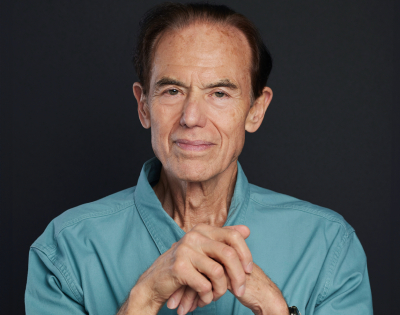
Charles LeBaron worked as a medical epidemiologist at the Centers for Disease Control and Prevention (CDC) for more than 28 years.
Backed by science, AIDS activists refuse to accept that HIV infection is an inevitable death sentence and have launched a tough campaign to demand research for a cure. Within a few years, an alphabet soup of anti-HIV drugs proliferated, eventually allowing most infected people to live close to normal lifespans.
Success has created a paradox. Longer years of potential infectivity meant more epidemics. In 2010, I was working for the CDC on HIV prevention in Kenya and had a small role in a huge ongoing multinational study looking at whether anti-HIV treatments could be used to stop HIV infection. In a conference room at a local public hospital, I was talking with a group of health care workers who would be conducting this study.
Almost all of them were women. They were paid a standard princely salary of about $300 a month. They were our researchers because they were from the communities most at risk. One in four women in the same age group was infected with HIV. Access to anti-HIV drugs was financially and logistically limited. Only one-third of patients who needed treatment actually received it. That meant that the unknown number of women I was talking about would eventually die the same death as the women in San Francisco’s AIDS wards. However, they made a huge effort to go to villages, enroll study subjects, and bring back the data.
What to read next
Thanks to these women and others around the world, the 2016 scientific publication is one of the most cited and influential studies in medicine. For the first time, it has been shown that HIV infection is not inevitable. Anti-HIV treatment can stop colds. Zero infections — with proper treatment.
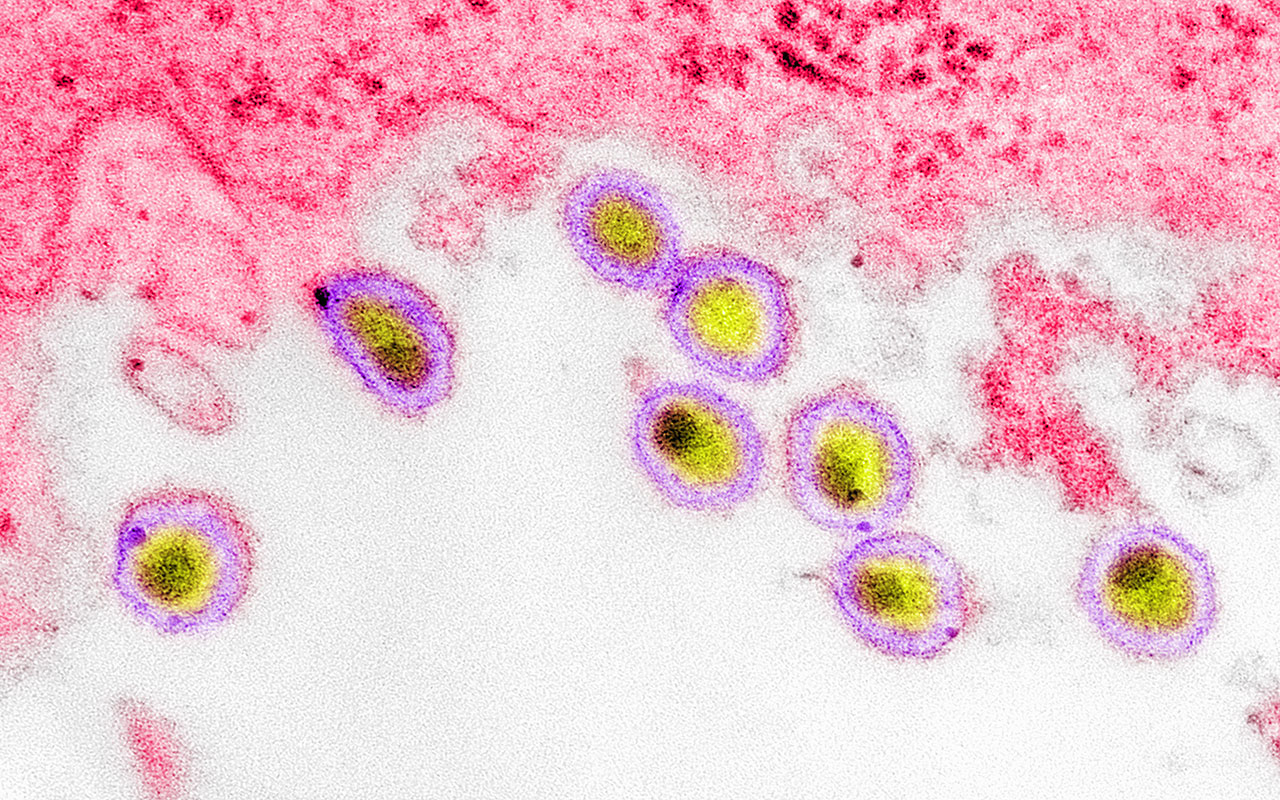
Ten years later, RFK Jr., an HIV skeptic, suggests that a conspiracy by people with personal ambitions may have diverted attention from other potential causes of AIDS, such as “toxins.” He also claimed, without evidence, that anti-HIV drugs are based on “false and distorted” studies that have caused people to die.
Those new infections will infect others. Inevitably, HIV will escape from its risk groups and cause a general pandemic in the United States.
In 2025, five of the 11 divisions in CDC’s HIV prevention division will be eliminated and staff laid off. All of the CDC’s HIV websites have been removed. After being restored by court order, the treatment webpage now includes a header that reads, “This page does not reflect biological reality, and therefore the Administration and the Department reject it.” A similar header appeared on the HIV infection rates page, but a brave CDC soul managed to insert an explanation as to why the data was frozen in 2023. “The branch that produced the HIV prevalence estimate…has been removed.” RFK Jr. proposed canceling $759 million in HIV research grants, cutting funding by 80%, and transferring responsibility for HIV from the CDC and all other agencies to the New Healthy America Government, which reports directly to him. Pending that reorganization, a $500 million budget cut from HIV treatment was submitted to Congress.
All this happened at a moment when the means to end the HIV epidemic seemed to be in our hands. New infections have decreased by more than 90%, and mother-to-child transmission has been completely eliminated.
States currently don’t have the resources to get the job done, and instead are implementing or considering a number of spending-cutting measures, including waiting lists for treatments, reductions in drug options, work requirements, low-income requirements, and ending reimbursement for tests needed to know whether a drug is working.
Similar cuts are occurring around the world as the United States withdraws aid from international HIV prevention. As domestic defenses are stripped away and the threat of infection from abroad increases, the spread of the virus will clearly accelerate, infecting far more Americans than the current 1 in 300 Americans. Those new infections will infect others. Inevitably, HIV will escape from its risk groups and cause a general pandemic in the United States.
1983 redux?
Thanks to nearly 50 years of hard work by AIDS activists in San Francisco, village health workers in Kenya, testers around the world, and many others, the options now seem clear. With the right treatment, we can stop the HIV epidemic before it becomes a pandemic, allow infected people to lead near-normal lives, and bring significant cost savings to society. Alternatively, without a cure, the infection could spread uncontrollably, causing the epidemic to spread and become a pandemic, causing suffering and death for individuals and incurring significant costs to society.
In this choice, perhaps the term “1983” should have the same resonance for health as George Orwell once gave the term “1984” for politics. Do we really want to return to the hopelessness of 1983 when it comes to HIV? Or do we resist the inevitable and use strong advocacy, backed by strong science, to restore protection, stop an HIV resurgence before it starts, and end the epidemic before it becomes a pandemic?
Opinion on Live Science provides insight into the most important issues in science that affect you and the world around you today, written by experts in the field and leading scientists.
Source link
