
Kylie Jenner’s smart glasses from Meta face privacy backlash over recording concerns
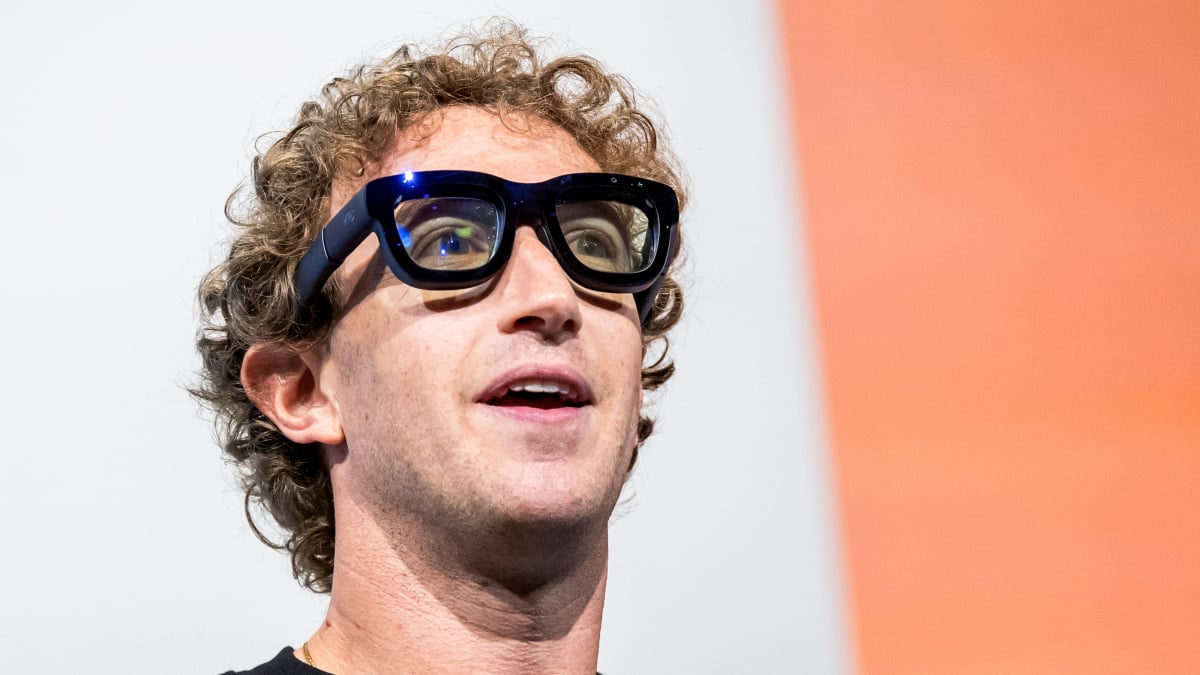
Mehta may have finally found a way to make smart glasses look normal. That may be the problem.
On June 23, Meta announced a new series of AI-powered Meta Glasses starting at $299. The collection includes three frame styles: Meta Adventurer, Meta Fury, and Meta Glass by Kylie, a slim oval frame designed in collaboration with Kylie Jenner.
Similar to Meta’s Ray-Bans and Oakley’s smart glasses, the new frames aim to make AI wearable and stylish, something you might only see at a tech conference. It can take photos, record videos, play audio, handle calls, and allows users to interact with Meta AI hands-free. In other words, Meta is selling it as everyday eyewear that records what you see. That’s exactly where the problem lies.
Online, users are discussing the new glasses with the usual mix of caution, jokes, defensiveness, and anger. Some argue that this backlash ignores features that are truly useful, especially for creators, travelers, parents, and visually impaired users.
This Tweet is currently unavailable. It may be loading or it may have been deleted.
This Tweet is currently unavailable. It may be loading or it may have been deleted.
More frankly, some say the glasses make it too easy for strangers to record people without their knowledge and turn their interactions into content.
This Tweet is currently unavailable. It may be loading or it may have been deleted.
This Tweet is currently unavailable. It may be loading or it may have been deleted.
This Tweet is currently unavailable. It may be loading or it may have been deleted.
This Tweet is currently unavailable. It may be loading or it may have been deleted.
On phones, recording usually requires a visible gesture. Someone has to pull it out, aim it and lift it. Smart glasses remove most of that very difficult process (sarcasm, detection). Someone can talk to you, look at you, or sit across from you on the subway when the camera is already in the frame.
Mehta’s glasses include a small LED indicator that lights up while taking a photo or video, but some say it’s easy to miss the light, especially in bright environments or crowded spaces.
This Tweet is currently unavailable. It may be loading or it may have been deleted.
This Tweet is currently unavailable. It may be loading or it may have been deleted.
This Tweet is currently unavailable. It may be loading or it may have been deleted.
That concern is no longer just a hypothesis. In February 2026, three women reported being covertly recorded by a man wearing smart glasses during a staged pick-up-style interaction and posted online without their consent. One woman said she was accosted in a Washington, D.C., airport lounge and later realized a man was filming her with smart glasses. Another woman said she was filmed at a grocery store and found the clip online, where it had already been viewed millions of times.
Pranksters and pick-up artists use meta Ray-Ban glasses to harass strangers for content
Concerns are also arising in more intimate settings. In September 2025, a woman became a hot topic when she noticed that her esthetician was wearing Ray-Ban Meta smart glasses during a Brazilian wax treatment at the European Wax Center in Manhattan.
Mashable Trend Report
The employee reportedly said the glasses were not billed and were by prescription and there was no evidence that an appointment was recorded. Still, this response makes it clear that the presence of wearable cameras is enough to make people feel exposed, especially in situations where privacy is part of the service.
The drama actually had an impact on digital. In December 2025, TikTokker Anthony Festa posted a post that went viral that he arrived at a 6am Solidcore class on November 30th and found no one in the studio and no instructor. Things escalated further when he claimed he filmed himself doing a makeshift private training session wearing Metaglass, but was pressured by staff to delete the video.
Initially, the story was about training classes, but the situation raised recurring questions. If wearable cameras make it easy to record everything in real time, what responsibilities do public places have and do rules need to be made clear before someone starts filming?
Recording lights are also currently a legal issue. On June 4, 2026, Pennsylvania Congressman Joe Silesi introduced a bill that would require smart glasses and other wearable recording devices to include a visual indicator when recording audio or video.
This Tweet is currently unavailable. It may be loading or it may have been deleted.
This targets a real loophole in current smart glasses settings. On TikTok, retailers are selling “ghost dot” stickers that block or dim recording light, and similar LED blocking stickers are appearing on retail sites.
The bill is part of a wave of broader scrutiny of where smart glasses go next. In February, the New York Times reported that Meta was considering facial recognition for its smart glasses through an internal feature called “name tags.” This will allow the wearer to identify a person and receive information about that person through Meta AI (Meta has not launched that feature for consumers). Sens. Ed Markey of Massachusetts, Ron Wyden of Oregon, and Jeff Merkley of Oregon wrote a letter to Meta CEO Mark Zuckerberg in March requesting more information about these reported plans, and in May, Texas Attorney General Ken Paxton launched an investigation into Meta AI Glasses, citing concerns.
And in June, The Verge reported that people in at least 30 states have offered to remove the recording lights from their Ray-Ban Metaglasses, including a New Jersey modder who said he performs the service multiple times a week. Meta responded by claiming that tampering with the lights violates its regulations and would remove those services’ listings, but the report gave lawmakers a concrete example of why a small indicator light is not enough.
This Tweet is currently unavailable. It may be loading or it may have been deleted.
Smart glasses are difficult to sell. Google Glass became a punchline more than a decade ago, but even Meta’s more recent Ray-Ban and Oakley glasses have had to contend with the same basic problem. That said, people don’t always like the idea of a camera being placed over someone else’s face. Reuters reported in November last year that sales of smart glasses were growing, but mainstream shoppers remained concerned about privacy, comfort and price.
Meta seems to know this. Its latest development aims not just to make glasses cheaper, but to make them look like something people would actually want to wear before they even think about the technology inside. With Kylie as the face of this chicer version, Meta’s launch event drew a fashion and internet crowd that included stylist Law Roach, creator Nala Smith and DJ Peggy Goo.
Since then, the glasses have caught the eye of everyone from F1 WAGs to influencers, perhaps for fashion or as a gift from Meta, but not without the inevitable internet backlash that comes with each such sighting.
This Tweet is currently unavailable. It may be loading or it may have been deleted.
This Tweet is currently unavailable. It may be loading or it may have been deleted.
This Tweet is currently unavailable. It may be loading or it may have been deleted.
This Tweet is currently unavailable. It may be loading or it may have been deleted.
This Tweet is currently unavailable. It may be loading or it may have been deleted.
As lawmakers scramble to catch up, Meta is simultaneously making its smart glasses cheaper, more fashionable, and more commonplace. But the more “normal” this technology appears, the more concerns it raises.
Source link

