

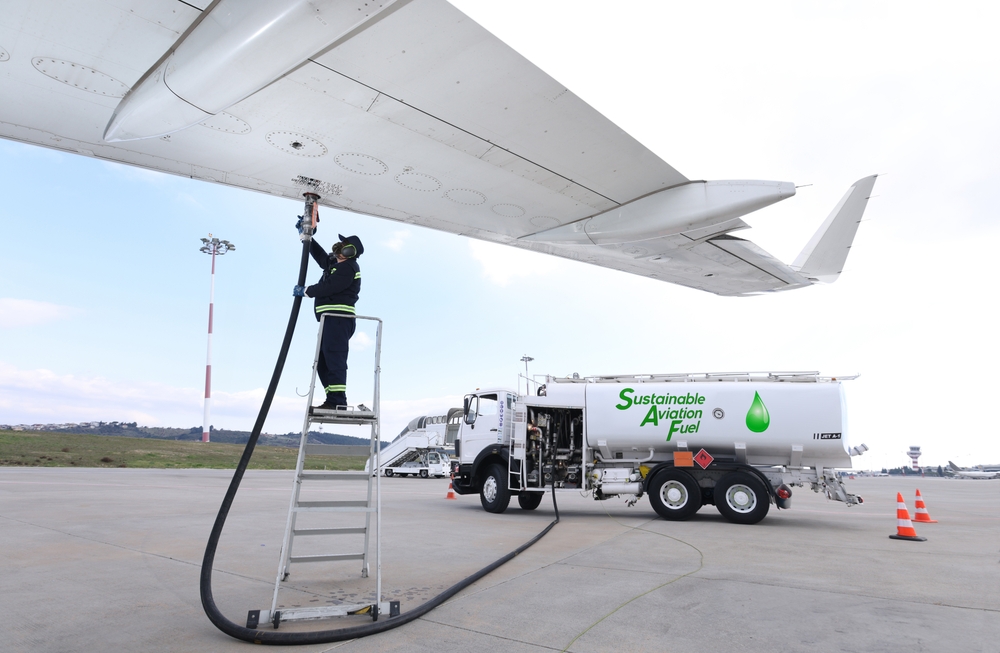
LanzaTech has revealed plans to develop a large-scale sustainable aviation fuel (SAF) production facility at Saltendo Chemicals Park in Humberside, marking a major step forward for the UK’s low carbon aviation ambitions.
The project, known as DRAGON II, represents an investment of around £600m and aims to support the decarbonisation of air travel while strengthening regional industry growth.
Significantly boosting the UK’s sustainable aviation fuel supply
Once operational, DRAGON II is expected to produce around 80,000 tonnes of sustainable aviation fuel per year, along with 8,000 tonnes of renewable diesel, equivalent to around 1% of the UK’s current jet fuel demand.
This production volume will make the facility one of the largest contributors to the nation’s SAF supply, supporting airlines seeking alternatives to traditional fossil fuels.
The development is also expected to deliver significant economic benefits, creating approximately 300 skilled jobs during the construction phase and a further 150 long-term operational roles once the plant is operational.
Why Saltend Chemicals Park was chosen
Saltendo Chemicals Park, owned by px Group and supported by Ara Partners, was selected following a comprehensive assessment of potential sites across the UK.
The site has extensive industrial infrastructure including utilities, deepwater jetty access and a fully managed site services platform, all of which are essential for large-scale, sustainable aviation fuel production.
The park’s strategic focus on industrial decarbonization, hydrogen development, and long-term sustainability closely aligns with the goals of the DRAGON II project.
Our position within an established energy and chemical cluster also provides access to skilled labor, supply chains and emerging carbon and hydrogen networks.
Advanced technology to promote low-carbon aviation
DRAGON II forms part of LanzaTech’s wider DRAGON program, which also includes DRAGON I in Port Talbot, South Wales.
Both facilities will use the LanzaJet Alcohol-to-Jet process, a proven technology that converts ethanol into drop-in, sustainable aviation fuel.
LanzaTech plans to supply up to 50,000 tonnes of ethanol to the two projects using gas fermentation technology.
The process captures waste carbon dioxide and combines it with green hydrogen to produce ethanol, which is then upgraded to Power-to-Liquid (PtL) sustainable aviation fuel.
This approach relies on access to cost-effective green hydrogen, which provides a powerful pathway for recycling carbon emissions into high-value fuels.
Strong government support accelerates progress
UK Government support plays a key role in driving the DRAGON project forward. In July 2025, LanzaTech secured £6.4 million from the Department for Transport’s Advanced Fuels Fund, helping to accelerate the development schedule for both DRAGON I and DRAGON II.
Construction on the Saltend site is expected to begin in late 2027, and the facility is expected to be fully operational by 2030.
The project aims to directly contribute to the UK’s net zero target, strengthen national energy security and strengthen the UK’s position in the global sustainable aviation fuel market.
Positioning Humberside as a leader in decarbonisation
Beyond fuel production, LanzaTech seeks to collaborate with local partners to maximize regional benefits.
By leveraging Humberside’s growing hydrogen production capacity, CO₂ pipeline infrastructure and industrial expertise, DRAGON II can cement the region’s reputation as a hub for low-carbon innovation.
As the aviation industry faces increasing pressure to decarbonise, investments like DRAGON II highlight how sustainable aviation fuels can deliver both environmental progress and long-term economic value for the UK.
Source link
