
Close Menu
  • Home
  • Identity
  • Inventions
  • Future
  • Science
  • Startups
  • Spanish
What's Hot

Warning of signal phishing targeting German government agencies, politicians, military personnel and journalists

Benchmark raises $225 million in special funding to double Cerebras

AI startup founder says he plans a ‘March for Billionaires’ to protest California’s wealth tax

Facebook X (Twitter) Instagram
  • Home
  • About Us
  • Advertise with Us
  • Contact Us
  • DMCA
  • Privacy Policy
  • Terms & Conditions
  • User-Submitted Posts
Facebook X (Twitter) Instagram
Fyself News
  • Home
  • Identity
  • Inventions
  • Future
  • Science
  • Startups
  • Spanish
Fyself News
Home » Leonids 2025: One of the last meteor showers of the year could peak this week with a bright ‘fireball’
Science

Leonids 2025: One of the last meteor showers of the year could peak this week with a bright ‘fireball’

userBy userNovember 11, 2025No Comments3 Mins Read
Share Facebook Twitter Pinterest Telegram LinkedIn Tumblr Email Copy Link
Follow Us
Google News Flipboard
Share
Facebook Twitter LinkedIn Pinterest Email Copy Link

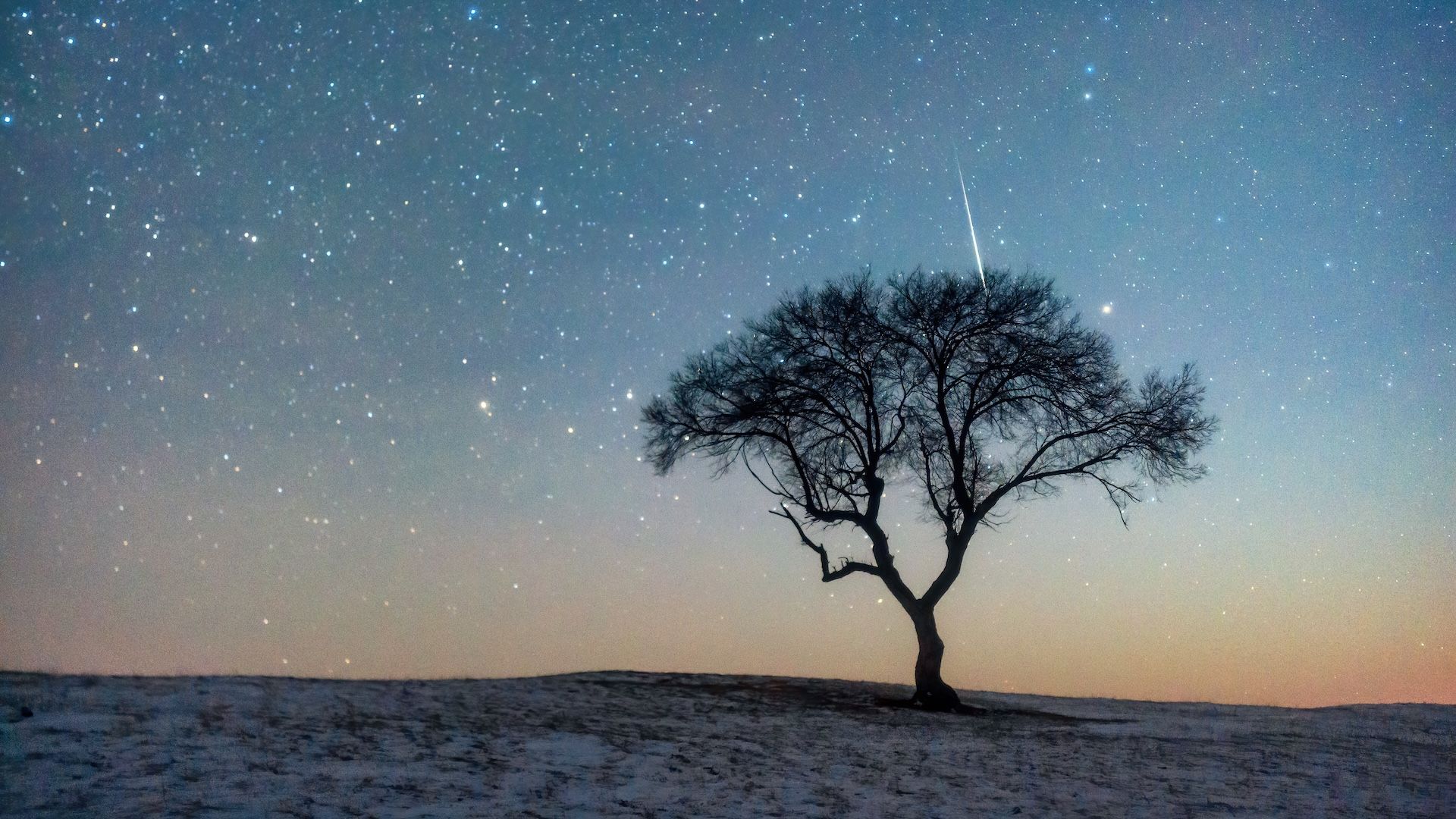
The annual Leonid meteor shower will peak in the early morning hours of Monday (November 17). If you’re prepared to wake up early (or stay up late), you might be able to spot up to 15 meteors per hour in the moonless night sky.

The Leonid meteor shower will be active from November 6th to 30th, but the evening peak, when Earth passes through the densest part of the meteor shower, will occur between midnight and dawn on November 17th.

This year’s Leonid meteor shower will provide one of the best viewing windows in recent years, thanks to a nearly moonless night. According to the American Meteor Society, the waning crescent moon (which provides only 9% of the illumination) rises late in the day before dawn, so there is no moonlight during the best viewing hours.

you may like

Leonid meteors are known for their speed, hitting Earth’s atmosphere at about 44 miles per second (70 kilometers per second). This speed often produces bright meteors or fireballs, some of which leave a lasting mark.

The Leonid meteor shower is caused by tiny particles from comet 55P/Tempel-Tuttle burning up in the atmosphere and producing meteors. The comet orbits the sun every 33 years and is scheduled to return to the inner solar system in 2031.

Historically, the Leonid meteor shower is known for producing dramatic meteor storms. These rare phenomena, in which the number of meteors exceeds 1,000 per hour, were recorded in 1833, 1866, 1966, 1999, 2001, and 2002. The 1966 Leonids meteor shower is considered the best in recorded history. NASA said so many meteors were observed in a 15-minute period that it looked like it was raining. However, no encounters with dense debris are expected this year, so a meteor storm is unlikely.

For the best experience, head outside between 2 a.m. and dawn on November 17th. Find a spot away from city lights, lie down with a wide view of the sky, and wait about 20 minutes for your eyes to adjust to the darkness.

Get the world’s most fascinating discoveries delivered straight to your inbox.

The Leonid meteor shower appears radiating from the constellation Leonid, rising in the eastern sky just after midnight. However, meteors can be seen anywhere in the sky, and using stargazing binoculars or a telescope can help you spot them. Because Leo is located on the celestial equator, this meteor shower is equally easy to see in both hemispheres.

The next largest meteor shower after the Leonid meteor shower is the Geminid meteor shower, which is the most numerous meteor shower this year. Approximately 140 “shooting stars” can be seen per hour during this event, which peaks on December 13th and 14th.


Source link

#Biotechnology #ClimateScience #Health #Science #ScientificAdvances #ScientificResearch
Follow on Google News Follow on Flipboard
Share. Facebook Twitter Pinterest LinkedIn Tumblr Email Copy Link
Previous ArticleCISO’s expert guide to AI supply chain attacks
Next Article Scientists have developed the world’s first microwave brain microchip, a new type of processor that uses microwaves to perform calculations and requires very little electricity.
user
  • Website

Related Posts

Psychedelics may rewire the brain to treat PTSD. Scientists are finally beginning to understand how.

February 6, 2026

All major galaxies except one are moving away from the Milky Way – and we finally know why

February 6, 2026

“Mono” viruses increase the risk of MS and cancer for some people. 22 genes suggest why.

February 5, 2026
Add A Comment
Leave A Reply Cancel Reply

Latest Posts

Warning of signal phishing targeting German government agencies, politicians, military personnel and journalists

Benchmark raises $225 million in special funding to double Cerebras

AI startup founder says he plans a ‘March for Billionaires’ to protest California’s wealth tax

From Svedka to Anthropic, brands are boldly leveraging AI in their Super Bowl ads

Trending Posts

Subscribe to News

Subscribe to our newsletter and never miss our latest news

Please enable JavaScript in your browser to complete this form.
Loading

Welcome to Fyself News, your go-to platform for the latest in tech, startups, inventions, sustainability, and fintech! We are a passionate team of enthusiasts committed to bringing you timely, insightful, and accurate information on the most pressing developments across these industries. Whether you’re an entrepreneur, investor, or just someone curious about the future of technology and innovation, Fyself News has something for you.

Castilla-La Mancha Ignites Innovation: fiveclmsummit Redefines Tech Future

Local Power, Health Innovation: Alcolea de Calatrava Boosts FiveCLM PoC with Community Engagement

The Future of Digital Twins in Healthcare: From Virtual Replicas to Personalized Medical Models

Human Digital Twins: The Next Tech Frontier Set to Transform Healthcare and Beyond

Facebook X (Twitter) Instagram Pinterest YouTube
  • Home
  • About Us
  • Advertise with Us
  • Contact Us
  • DMCA
  • Privacy Policy
  • Terms & Conditions
  • User-Submitted Posts
© 2026 news.fyself. Designed by by fyself.

Type above and press Enter to search. Press Esc to cancel.