
Close Menu
  • Home
  • Identity
  • Inventions
  • Future
  • Science
  • Startups
  • Spanish
What's Hot

Why Amazon acquired AI wearable Bee

Mark Zuckerberg says Meta will launch its own AI infrastructure initiative

Anthropic’s new Cowork tool gives you Claude Code without the code

Facebook X (Twitter) Instagram
  • Home
  • About Us
  • Advertise with Us
  • Contact Us
  • DMCA
  • Privacy Policy
  • Terms & Conditions
  • User-Submitted Posts
Facebook X (Twitter) Instagram
Fyself News
  • Home
  • Identity
  • Inventions
  • Future
  • Science
  • Startups
  • Spanish
Fyself News
Home » New platform aims to transform spinal biology research
Inventions

New platform aims to transform spinal biology research

userBy userJanuary 12, 2026No Comments2 Mins Read
Share Facebook Twitter Pinterest Telegram LinkedIn Tumblr Email Copy Link
Follow Us
Google News Flipboard
Share
Facebook Twitter LinkedIn Pinterest Email Copy Link

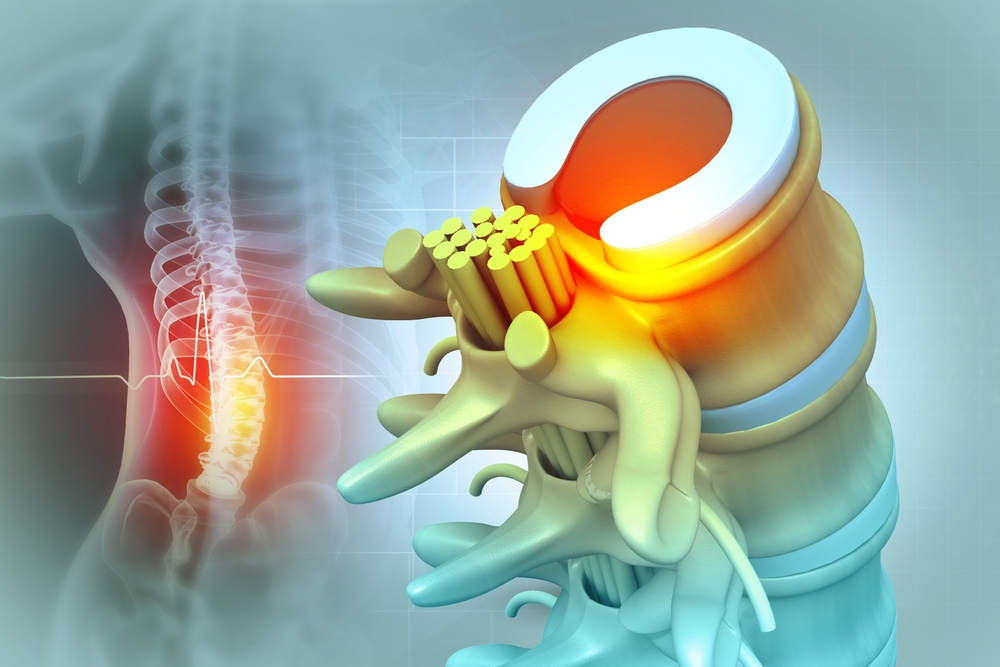
The newly developed platform aims to create high-fidelity 4D models of the human spinal cord using advanced bioprinting techniques and patient-derived cells.

Developed with funding from an ERC Consolidator Grant, the SPINECRAFT platform creates state-of-the-art 4D human spinal cord structures that reflect the structure and function of a real spinal cord.

This ambitious approach represents a paradigm shift in central nervous system (CNS) research. SPINECRAFT sets new standards in tissue engineering, opens the door to breakthroughs in neurodegenerative disease modeling and regenerative therapy, and pushes the boundaries of what is possible in neuroscience.

“We finally have the tools to ask questions that were previously inaccessible and get closer to real treatments for patients,” said Zaida Álvarez Pinto, principal investigator at the Catalan Institute of Biotechnology (IBEC), which received the ERC grant.

Limitations of current central nervous system models

Current laboratory models of the CNS struggle to reproduce its extraordinary complexity, limiting progress in understanding neurological and neurodegenerative diseases.

Traditional 2D cultures, 3D organoids, and animal models fail to capture the complex structure and dynamic function of the CNS, slowing progress in neuroscience.

SPINECRAFT aims to change this. Researchers will create high-fidelity models featuring human neural and vascular cells by combining advanced imaging, computational modeling, bioprinting, and innovative bioinks.

This platform not only enables detailed studies of spinal cord biology, but also allows for the integration of patient-derived cells to recreate disease-specific environments, such as those found in amyotrophic lateral sclerosis (ALS).

Opening the way to new spinal cord treatments

Professor Alvarez explained: “This recognition marks a pivotal moment for our research and the field of spinal cord regeneration.

“We look forward to using SPINECRAFT to generate high-fidelity human models that will allow us to study disease mechanisms at unprecedented resolution and pave the way for new therapeutic strategies.”

Mr. Álvarez is one of 11.3% of candidates across Europe who were selected from 3,121 proposals received in this recruitment.

The disruptive originality of this project enabled us to secure an additional 800,000 euros from the public offering, beyond the standard 2 million euros, to be devoted to the acquisition of specialized equipment for multicellular bioprinting and advanced functional analysis.

This strategic investment places IBEC at the forefront of 4D human spinal cord modeling and accelerates the transformative potential of SPINECRAFT.


Source link

#CreativeSolutions #DigitalTransformation. #DisruptiveTechnology #Innovation #Patents #SocialInnovation
Follow on Google News Follow on Flipboard
Share. Facebook Twitter Pinterest LinkedIn Tumblr Email Copy Link
Previous ArticleBaltic and Nordic chip competence centers merge
Next Article GoBruteforcer botnet exploits weak credentials to target crypto project databases
user
  • Website

Related Posts

Ancient ‘dead galaxy’ starved by supermassive black hole

January 12, 2026

Developing the microelectronics and photonics value chain in Quebec

January 12, 2026

Investment in climate adaptation is key to Europe’s future, EEA warns

January 12, 2026
Add A Comment
Leave A Reply Cancel Reply

Latest Posts

Why Amazon acquired AI wearable Bee

Mark Zuckerberg says Meta will launch its own AI infrastructure initiative

Anthropic’s new Cowork tool gives you Claude Code without the code

President Trump’s Environmental Protection Agency plans to ignore health effects of air pollution

Trending Posts

Subscribe to News

Subscribe to our newsletter and never miss our latest news

Please enable JavaScript in your browser to complete this form.
Loading

Welcome to Fyself News, your go-to platform for the latest in tech, startups, inventions, sustainability, and fintech! We are a passionate team of enthusiasts committed to bringing you timely, insightful, and accurate information on the most pressing developments across these industries. Whether you’re an entrepreneur, investor, or just someone curious about the future of technology and innovation, Fyself News has something for you.

Castilla-La Mancha Ignites Innovation: fiveclmsummit Redefines Tech Future

Local Power, Health Innovation: Alcolea de Calatrava Boosts FiveCLM PoC with Community Engagement

The Future of Digital Twins in Healthcare: From Virtual Replicas to Personalized Medical Models

Human Digital Twins: The Next Tech Frontier Set to Transform Healthcare and Beyond

Facebook X (Twitter) Instagram Pinterest YouTube
  • Home
  • About Us
  • Advertise with Us
  • Contact Us
  • DMCA
  • Privacy Policy
  • Terms & Conditions
  • User-Submitted Posts
© 2026 news.fyself. Designed by by fyself.

Type above and press Enter to search. Press Esc to cancel.