

For decades, passwords have been the gateway to the digital world. From email accounts to bank logins to corporate networks, strings have served as the first line of defense against cyber intruders.
But passwords always have inherent weaknesses. That is, passwords rely on human behavior. People reuse them, choose the easy ones, write them down, or fall for phishing scams that trick them into handing over their credentials.
As cyber-attacks become more sophisticated and widespread, these weaknesses have made passwords one of the most persistent vulnerabilities in modern cybersecurity.
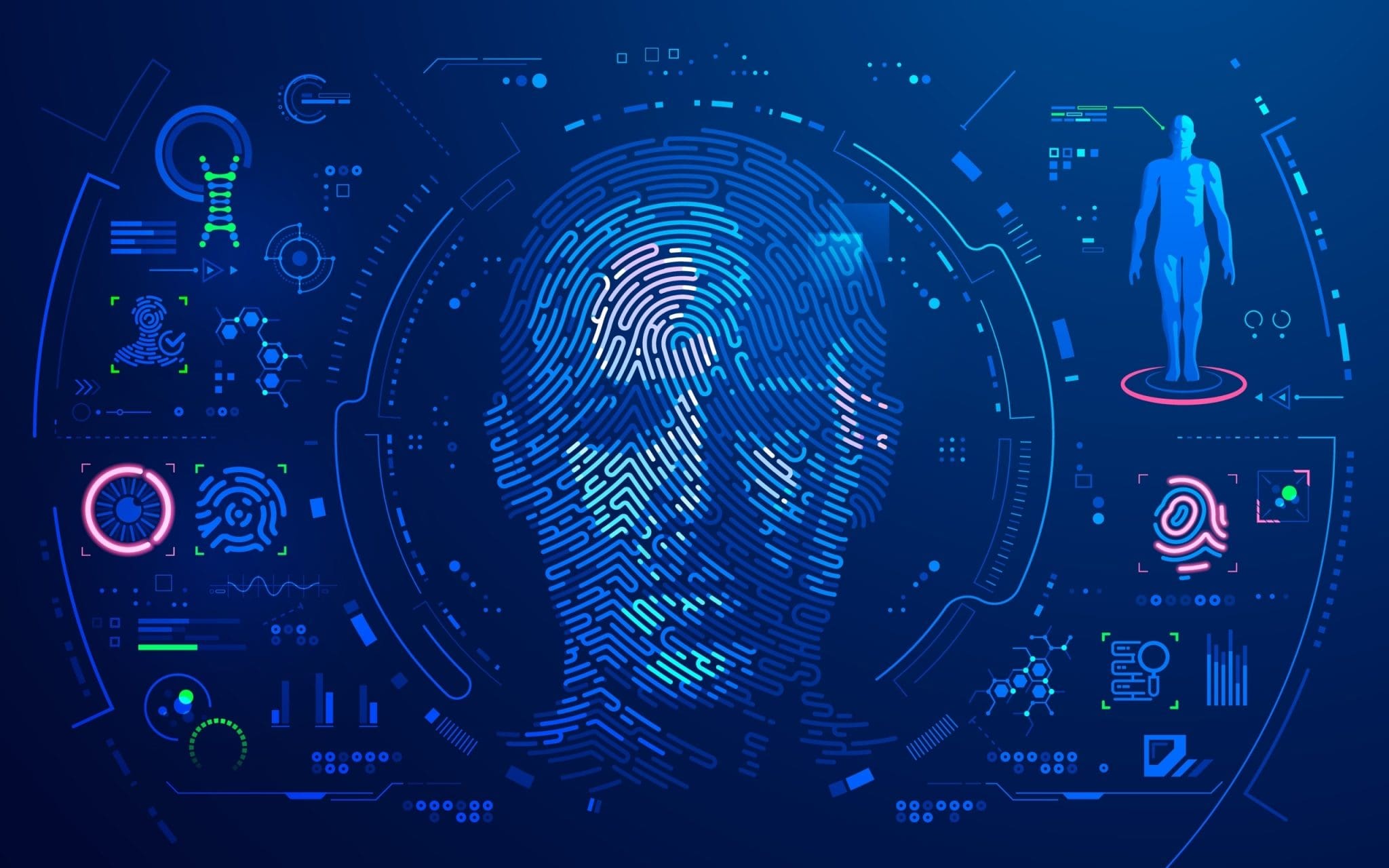
A growing number of technology companies, banks, and security experts now believe that the solution may not lie in better passwords, but in abolishing passwords altogether. Instead, biometric authentication, a system that uses physical or behavioral characteristics such as fingerprints, facial features, and even typing patterns to verify identity, is becoming increasingly popular.
This shift reflects a broader shift in cybersecurity thinking. That is, moving away from what people know and becoming who they are.
password problem
Passwords became the default authentication method in the early days of computing because they were easy and cheap to implement. When a user creates a secret string, the system stores a mathematical representation (often a hash) of that string to verify future logins.
In theory, a strong password should be difficult to guess. In fact, humans tend to prioritize convenience over security.
Research into compromised credentials consistently shows the same pattern. Millions of users rely on predictable passwords like “123456”, “password”, or variations of their name. Even if users create stronger passwords, those passwords are often reused across multiple websites. Once one site is compromised, attackers can try those credentials on other services, a tactic called credential stuffing.
Phishing attacks further complicate the problem. Cybercriminals routinely impersonate trusted businesses via emails and fake websites designed to collect login credentials. Once an attacker obtains a password, they often have access to multiple accounts associated with that identity.
Security measures like two-factor authentication can help reduce some risks, but they can also make the login process more cumbersome. For many organizations, the search for a more secure and seamless alternative has led to biometric authentication.
The rise of biometrics
Biometrics identify individuals based on measurable biological characteristics. Unlike passwords or PIN codes, biometric identifiers are unique to the person using the system.
Common biometric technologies include:
Fingerprint recognition Face recognition Iris scan Voice recognition
In consumer technology, fingerprints and facial recognition are the most familiar examples. Modern smartphones allow users to unlock their devices, authorize payments, and access applications using a quick scan instead of a password.
These systems work by converting physical characteristics into digital templates. For example, when a fingerprint is scanned, the system does not save an image of the finger. Instead, it extracts distinctive features, such as ridge patterns and keypoints, and stores mathematical representations of those features. When the user tries to log in again, the system compares the new scan to the saved template.
If the similarity between the two measurements exceeds a predefined threshold, the system grants access.
This process takes less than a second, making biometric authentication faster and easier for users.
Why biometric authentication improves security
The main cybersecurity advantage of biometrics is that it is difficult to steal or guess remotely.
Passwords can be intercepted through phishing or exposed through database breaches. A fingerprint or facial scan cannot be extracted from a compromised password database in the same way.
Modern biometric systems also tend to rely on local storage and hardware security modules within the device. For example, many smartphones store biometric templates in specialized secure chips designed to prevent outside access. Instead of sending biometric data over the internet, authentication takes place within the device itself.
This architecture reduces the risk of sensitive biometric information being exposed in a large-scale data breach.
Another benefit is that biometrics eliminates the need for users to remember complex credentials. Security researchers have long known that human memory is a weakness in authentication systems. When users no longer have to manage passwords, they are less likely to reuse them or fall victim to phishing attacks that ask for them.
Passwordless authentication
The rise of biometrics is closely tied to the broader cybersecurity movement toward passwordless authentication.
Rather than relying on shared secrets such as passwords, passwordless systems combine biometric authentication with cryptographic keys stored on the device. When a user attempts to log in, the device uses secure cryptographic methods to prove their identity and a biometric scan to verify that there is a legitimate user.
This model is supported by industry standards developed by the FIDO Alliance, a consortium of technology companies working to eliminate passwords from online authentication. Major platforms, including devices from Apple, Google, and Microsoft, currently support passkey systems based on these standards.
With passkeys, users authenticate using biometrics or a device PIN, and cryptographic keys handle the underlying security exchanges with websites and services. Phishing attacks are much less effective because there are no passwords that can be stolen and reused.
For cybersecurity professionals, this means a major shift in how digital identities are managed.
Biometrics in banking and finance
Financial institutions were among the first to adopt biometric security. Banks face constant pressure to balance convenience with fraud protection, especially as online and mobile banking continues to grow.
Fingerprint and facial recognition systems are now widely used to authorize banking apps and digital payments. In some cases, banks have begun experimenting with more advanced biometric tools, such as voice recognition in call centers.
These systems can verify a customer’s identity during a phone conversation by analyzing voice characteristics that are difficult to replicate.
In addition to traditional biometrics, financial institutions are also implementing behavioral biometrics. These systems detect suspicious activity by analyzing how users interact with their devices: how they type, swipe, or move the mouse.
It can provide an additional layer of protection against account takeover attempts, as it is difficult for an attacker to accurately imitate behavioral signals.
Limitations of biometric security
Biometric authentication has its benefits, but it is not a perfect solution.
Unlike passwords, biometric characteristics cannot be easily changed. If your password is compromised, you can reset it. You can’t do it with fingerprints or your face.
This raises important privacy and security concerns, especially if biometric databases are compromised. For this reason, cybersecurity experts typically recommend storing biometric templates locally on the user’s device rather than in a centralized database.
Another concern is spoofing. It attempts to fool biometric systems using artificial fingerprints, photographs, and synthetic voices. Early biometric systems were found to be vulnerable to such attacks, but modern systems often incorporate liveness detection, attempting to verify that a biometric sample comes from a real human.
For example, facial recognition systems may require users to blink, turn their head, or respond to subtle prompts that are difficult to reproduce in a still image.
Still, attackers continue to explore new techniques, especially as artificial intelligence makes digital impersonation more viable.
The future of authentication
Authentication systems will continue to diversify as cyber threats evolve.
Biometrics are increasingly being combined with other security layers such as device recognition, location data, and behavioral analytics. This approach creates multiple barriers that the attacker must overcome.
Over time, these systems can become nearly invisible to users. Authentication occurs continuously in the background and can confirm your identity based on a combination of biometrics and behavioral patterns.
But for now, the most visible signs of change are already in people’s pockets. The simple act of unlocking your phone with a fingerprint or a glance reflects a broader shift away from passwords.
The gradual end of the password era
It’s unlikely that your password will be lost overnight. Many legacy systems still rely on them, and large organizations often take years to replace established security infrastructure.
But the direction is clear.
As biometric technology becomes more reliable and widely adopted, cybersecurity systems are increasingly moving toward authentication methods that rely on physical identities rather than memorized secrets.
For decades, digital security has relied on users remembering the correct combination of letters. In a world without passwords, identities could instead be verified through unique biological signals that people carry with them every day.
Source link
