

On February 12, 2026, the Trump administration took a major step in its efforts to unravel U.S. climate policy, moving to rescind the 2009 endangered status designation. The certification is a formal recognition that the six greenhouse gases that cause climate change, including carbon dioxide and methane from burning fossil fuels, endanger public health and welfare.
But the administration’s claims denying the health risks of climate change are not only factually incorrect, they are extremely dangerous to the health and safety of Americans.
you may like
intense heat
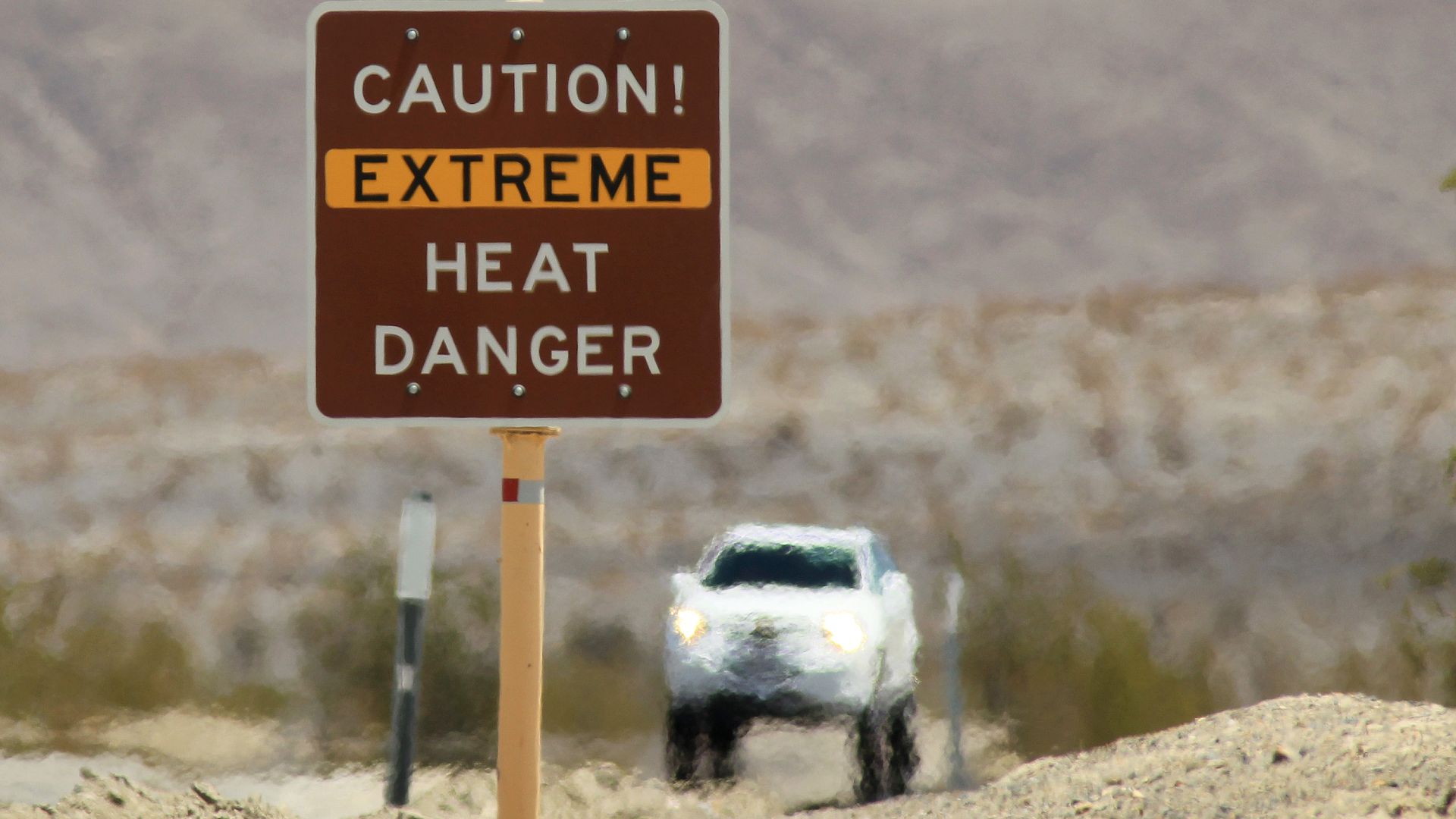
Greenhouse gases from vehicles, power plants, and other sources accumulate in the atmosphere, trapping heat and holding it close to the earth’s surface like a blanket. Too much of it would raise global temperatures, exposing more people to dangerous heat more often.
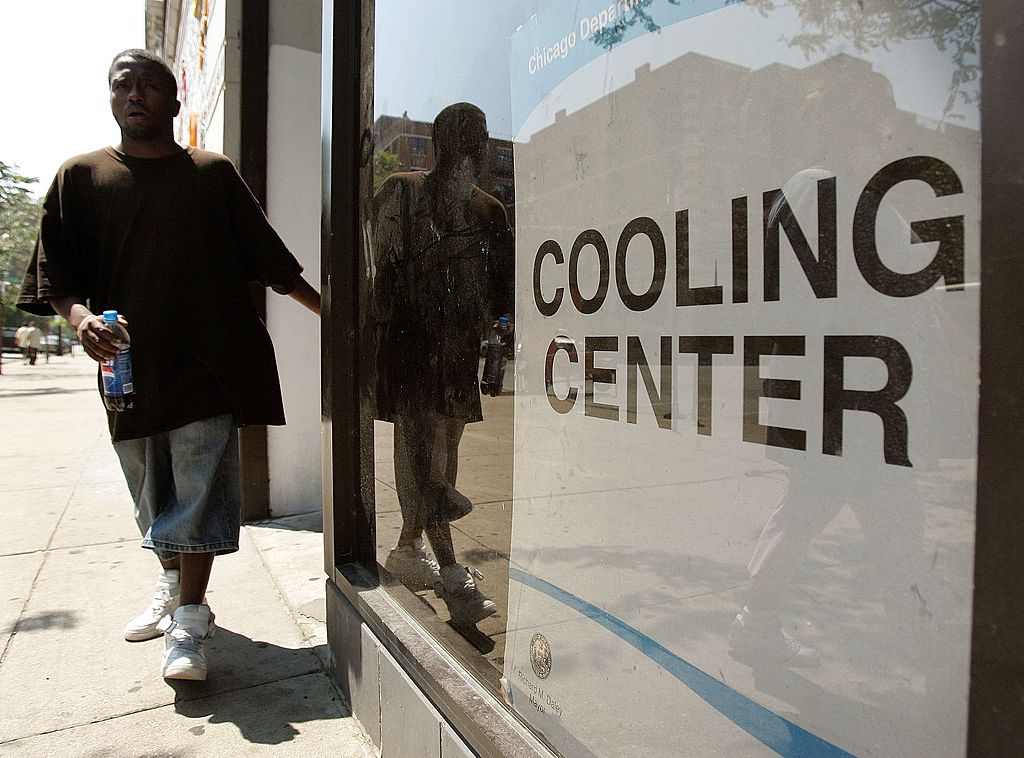
Although most people who suffer from mild heatstroke recover, exposure to more extreme heatstroke can be fatal, especially without adequate hydration or ways to cool down. People who work outdoors, are elderly, or have underlying health conditions such as heart, lung, or kidney disease are often at greatest risk.
The number of deaths due to heatstroke is increasing worldwide, increasing by 23% from the 1990s to the 2010s, and the number of deaths due to heatstroke each year exceeded 500,000. Here in the United States, the 2021 heat dome in the Pacific Northwest killed hundreds of people.
Climate scientists predict that as the climate continues to change, many parts of the world, including U.S. cities such as Miami, Houston, Phoenix and Las Vegas, will experience more extremely hot days each year that threaten human survival.
abnormal weather
Because warmer air holds more moisture, climate change will increase rainfall and intensity of storms, leading to worsening flooding, as many communities in the United States have experienced in recent years. As ocean temperatures rise, more powerful hurricanes form.
Increased flooding poses health risks such as drowning, injuries, and water contamination with human pathogens and toxic chemicals. People cleaning flooded homes also face risks such as mold exposure, injury, and emotional distress.
Climate change also worsens droughts, disrupts food supplies and causes dust-borne respiratory illnesses. Rising temperatures and dryness dry out forests and grasslands, making wildfires more likely.
you may like
air pollution
Wildfires, along with other climate impacts, are worsening air quality across the country.
Wildfire smoke is a toxic soup of microscopic particles (known as fine particulate matter, PM2.5) that can penetrate deep into the lungs and harmful compounds such as lead, formaldehyde, and dioxins that are produced when homes, cars, and other materials burn at high temperatures. Smoke can travel thousands of miles downwind, causing heart attacks and increasing the risk of lung cancer.
On the other hand, in warmer environments, ozone, which stimulates the heart and lungs, is more likely to be produced on the ground. Burning fossil fuels also produces dangerous air pollutants that can cause numerous health problems, including heart attacks, strokes, asthma flare-ups, and lung cancer.
infectious disease
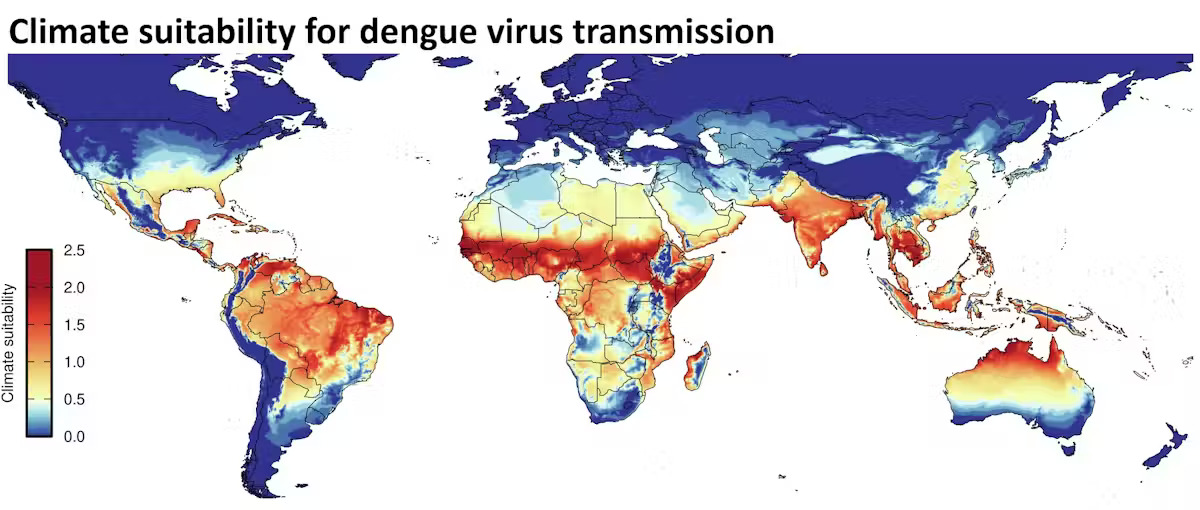
Insects are cold-blooded creatures, so they are directly affected by temperature. Therefore, as temperatures rise, so do mosquito bite rates. Warming also accelerates the emergence of mosquito-borne pathogens.
Mosquito-borne dengue fever has occurred in Florida, Texas, Hawaii, Arizona, and California. New York state just confirmed its first locally transmitted case of the chikungunya virus, which is also transmitted by mosquitoes.
And it’s not just insect-borne infections. Rising temperatures increase diarrhea and food poisoning caused by Vibrio cholerae and other bacteria, and heavy rains increase the overflow of sewage-contaminated rainwater into lakes and rivers. At the other extreme, drought in the desert Southwest increases the risk of coccidioidomycosis, a fungal infection known as Valley fever.
Other effects
Climate change threatens health in many other ways. A longer pollen season increases exposure to allergens. Lower crop yields reduce access to nutritious food.
Mental health also suffers from post-disaster anxiety, depression and post-traumatic stress, as well as increased violent crime and suicide rates associated with hot days.
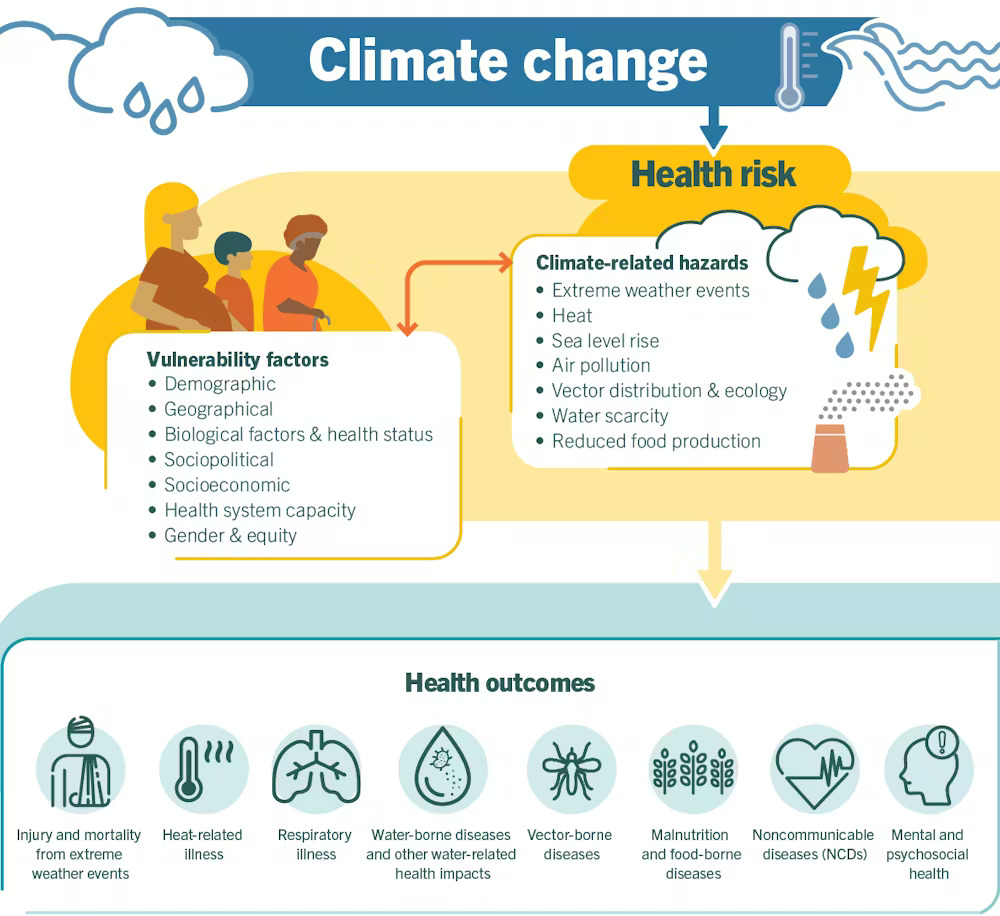
Young children, the elderly, pregnant women and people with pre-existing conditions are the most at-risk groups. Low-income people also face greater risks due to higher rates of chronic disease, greater exposure to climate change, and fewer resources for protection, health care, and disaster recovery.
Policy-based evidence production
Evidence linking climate change and health has increased significantly since 2009 and is today uncontroversial.
Research shows that climate change-related worsening heat, air pollution, disease prevalence, and food insecurity are costing millions of lives around the world every year. This evidence is also consistent with the lived experience of Americans. Anyone who has fallen ill during a heat wave, fought illness while breathing in wildfire smoke, or been injured while cleaning up a hurricane knows that climate change can threaten human health.
But the Trump administration has deliberately ignored this evidence, declaring that climate change does not pose a health threat.
The move to rescind the 2009 endangered status certification, which underpins many climate regulations, aligns with broader policy measures, including cuts to support for renewable energy and subsidies to fossil fuel industries that endanger public health. In addition to rescinding the endangered status, the Trump administration also moved to rescind emissions limits for motor vehicles, which are a major source of carbon dioxide emissions in the United States and a major contributor to air pollutants such as PM2.5 and ozone.
It’s not just about the crisis
The evidence is clear: climate change puts human health at risk. However, there is another side to this story.
Government efforts to reduce the causes of climate change can help tackle some of the world’s biggest health problems. Cleaner vehicles and cleaner electricity mean cleaner air and less heart and lung disease. More walking and cycling on safe sidewalks and bike paths increases physical activity and lowers the risk of chronic disease. The list goes on. By fighting climate change, we promote health.
In our view, for America to be truly healthy, the nation must recognize the facts behind the endangerment findings and further strengthen the transition away from fossil fuels and toward a healthy, clean energy future.
This edited article is republished from The Conversation under a Creative Commons license. Read the original article.
Source link
