
Close Menu
  • Home
  • Identity
  • Inventions
  • Future
  • Science
  • Startups
  • Spanish
What's Hot

Resolve AI, a startup led by former Splunk executives, reaches $1 billion Series A valuation

Establish a venture-backable company in a highly regulated field

Cursor continues acquisition spree with deal with Graphite

Facebook X (Twitter) Instagram
  • Home
  • About Us
  • Advertise with Us
  • Contact Us
  • DMCA
  • Privacy Policy
  • Terms & Conditions
  • User-Submitted Posts
Facebook X (Twitter) Instagram
Fyself News
  • Home
  • Identity
  • Inventions
  • Future
  • Science
  • Startups
  • Spanish
Fyself News
Home » Roman soldiers stationed at Hadrian’s Wall suffer from diarrhea and abdominal pain, and microscopic parasites are discovered.
Science

Roman soldiers stationed at Hadrian’s Wall suffer from diarrhea and abdominal pain, and microscopic parasites are discovered.

userBy userDecember 19, 2025No Comments4 Mins Read
Share Facebook Twitter Pinterest Telegram LinkedIn Tumblr Email Copy Link
Follow Us
Google News Flipboard
Share
Facebook Twitter LinkedIn Pinterest Email Copy Link

Roman soldiers guarding Hadrian’s Wall in Britain were no strangers to diarrhea and abdominal pain, according to a new study that found traces of at least three different intestinal parasites in soil near centuries-old toilets.

This discovery shows that even though the walls had a state-of-the-art sewage system at the time, the Romans’ mettle suffered greatly.

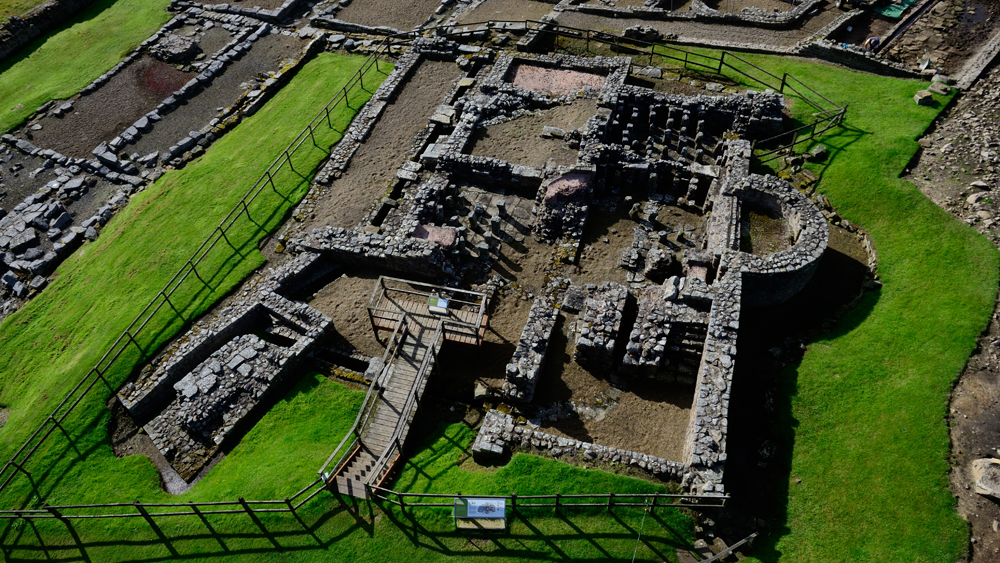
The auxiliary fortress of Vindolanda in northern England was occupied by the Romans from the 1st to the 4th century. The fort is located just south of Hadrian’s Wall and was first built in 122 AD to protect the northernmost tip of the Roman Empire. Vindolanda is known for its oxygen-free mud layer, which for thousands of years has helped preserve perishable materials such as writing instruments, leather shoes, and even bed bugs.

you may like

In a study published Friday (December 19) in the journal Parasitology, a team of researchers examined a new set of evidence at Vindolanda: soil preserved in the drains of the fort’s 3rd-century toilets.

Researchers collected 58 samples along toilet drains, which included animal bones, Roman beads and pottery. The soil samples were then micro-sieved to look for parasite eggs.

Researchers found roundworm (Ascaris sp.) and whipworm (Trichuris sp.) eggs in the toilet samples. Roundworms and whipworms are both microscopic parasites that live in the human intestines and often cause abdominal pain, fever, and diarrhea. These fecal-oral parasites are usually transmitted when a person ingests unclean food or dirt contaminated with parasite eggs.

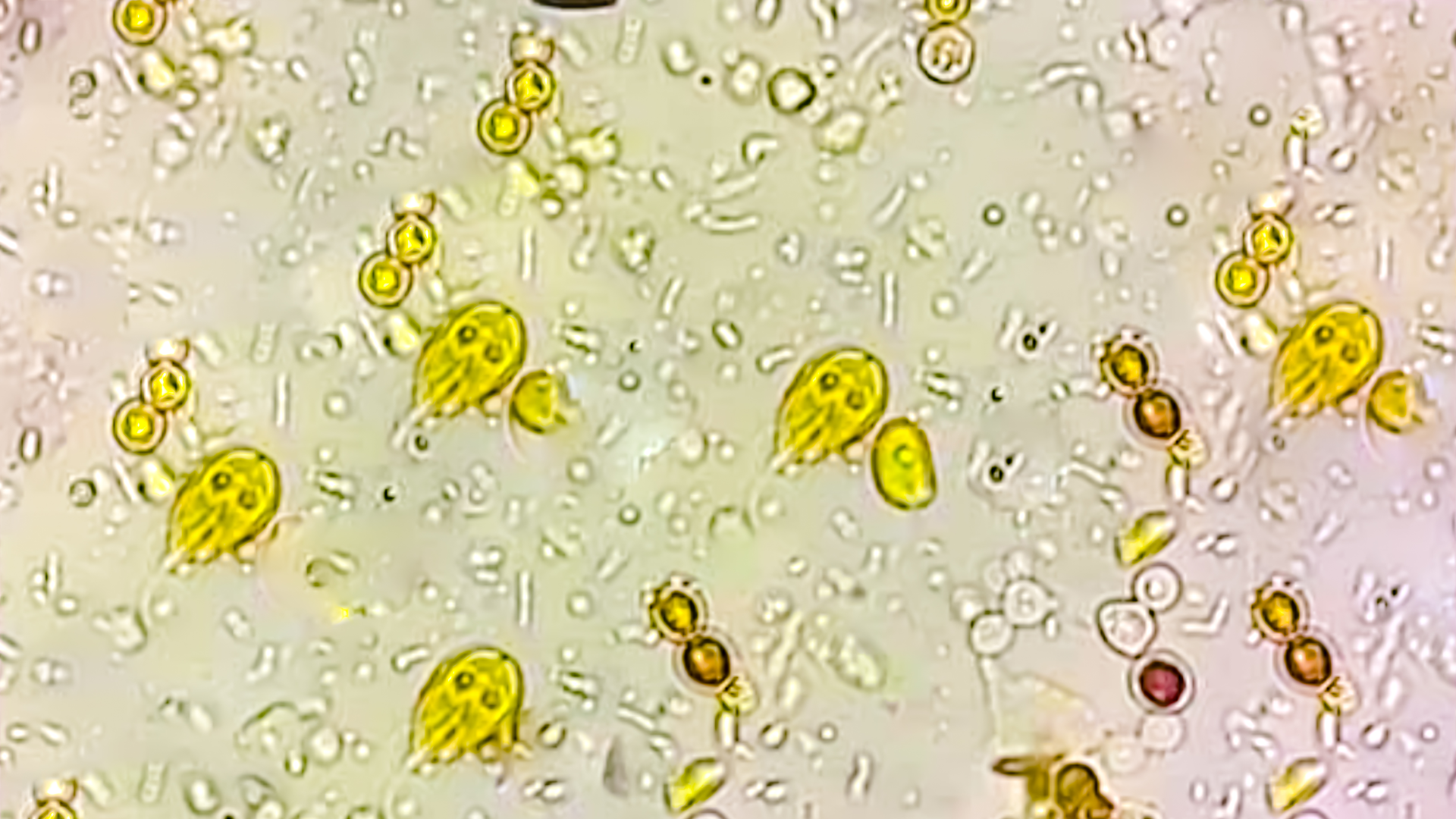
In addition, the researchers detected duodenal Giardia, a parasite that also infects the small intestine and causes giardiasis, or Giardia infection, in one sample.
Get the world’s most fascinating discoveries delivered straight to your inbox.

Microscopic image of Giardia that looks like a small yellow ghost

Microscopic image of G. duodenalis in the sample. (Image source: Getty Images)

The presence of all three parasites suggests fecal contamination of Vindolanda’s water or food sources, the researchers said in their study. However, although whipworms and roundworms had been previously identified in Roman Britain, this is the first evidence of G. duodenalis.

Study co-author Piers Mitchell, a paleoparasitologist at the University of Cambridge, told Live Science in an email that “it remains unclear whether this parasite was present in Britain before Roman times” because “archaeological sites in Britain dating back to before the arrival of the Romans have not been systematically tested for Giardia infections.”

However, Giardia is an important clue to the health of people living on the outskirts of Rome.

you may like

“Of the three parasites we found, Giardia is most likely to cause serious health problems,” Mitchell said. While short-term infections can cause diarrhea and dehydration, long-term side effects of Giardia infection include irritable bowel, eye damage, arthritis, allergies, and muscle pain.

Although Roman soldiers were not legally allowed to marry, countless archaeological evidence, including preserved children’s shoes, indicate that men, women, and children all lived at Vindolanda. And evidence of new parasites could point to serious health concerns for children of soldiers.

“While diarrhea can cause dehydration at any age, young children are most likely to die from diarrhea,” Mitchell says. “Chronic infections with Giardia, roundworms, and whipworms in children can all lead to stunted growth and reduced intelligence.”

Gastrointestinal problems caused by parasites appear to have been very common in most parts of the Roman Empire, the researchers note in the study, although the new analysis does not reveal exactly how many people suffered from these infections.

“We don’t know what percentage of the people in Vindolanda were infected with the parasite because the sewer drains contain the feces of everyone who used the toilets,” Mitchell said. However, considering data from previous studies, it is believed that “between 10 and 40 percent of people in Roman times were likely infected with intestinal parasites.”

Roman Britain Quiz: What do you know about the Empire’s conquest of the British Isles?


Source link

#Biotechnology #ClimateScience #Health #Science #ScientificAdvances #ScientificResearch
Follow on Google News Follow on Flipboard
Share. Facebook Twitter Pinterest LinkedIn Tumblr Email Copy Link
Previous ArticleApple becomes debt collector in new developer agreement
Next Article TikTok reaches agreement to transfer control of its U.S. business to a group of U.S. investors
user
  • Website

Related Posts

Japan trials 100-kilowatt laser weapon – capable of cutting metal and drones while in flight

December 19, 2025

2025 Urids meteor shower: When and where to see ‘shooting stars’ on the longest night of the year

December 19, 2025

New ultraviolet images of Comet 3I/ATLAS could help reveal what the comet is made of

December 18, 2025
Add A Comment
Leave A Reply Cancel Reply

Latest Posts

Resolve AI, a startup led by former Splunk executives, reaches $1 billion Series A valuation

Establish a venture-backable company in a highly regulated field

Cursor continues acquisition spree with deal with Graphite

Elon Musk’s $56 billion Tesla pay package reinstated by Delaware Supreme Court

Trending Posts

Subscribe to News

Subscribe to our newsletter and never miss our latest news

Please enable JavaScript in your browser to complete this form.
Loading

Welcome to Fyself News, your go-to platform for the latest in tech, startups, inventions, sustainability, and fintech! We are a passionate team of enthusiasts committed to bringing you timely, insightful, and accurate information on the most pressing developments across these industries. Whether you’re an entrepreneur, investor, or just someone curious about the future of technology and innovation, Fyself News has something for you.

Castilla-La Mancha Ignites Innovation: fiveclmsummit Redefines Tech Future

Local Power, Health Innovation: Alcolea de Calatrava Boosts FiveCLM PoC with Community Engagement

The Future of Digital Twins in Healthcare: From Virtual Replicas to Personalized Medical Models

Human Digital Twins: The Next Tech Frontier Set to Transform Healthcare and Beyond

Facebook X (Twitter) Instagram Pinterest YouTube
  • Home
  • About Us
  • Advertise with Us
  • Contact Us
  • DMCA
  • Privacy Policy
  • Terms & Conditions
  • User-Submitted Posts
© 2025 news.fyself. Designed by by fyself.

Type above and press Enter to search. Press Esc to cancel.