

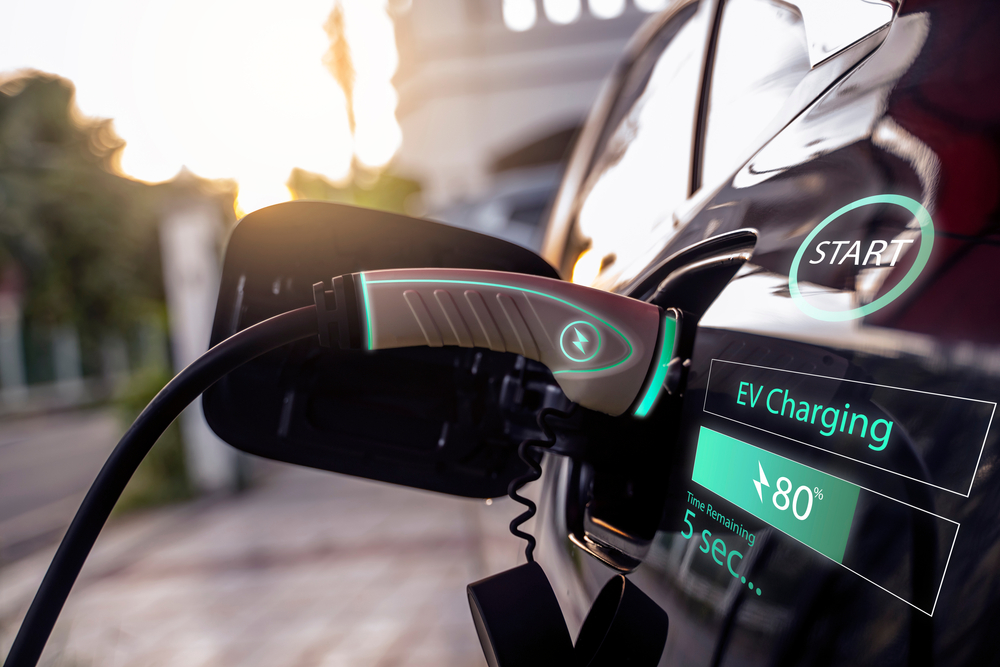
The SAFELOOP project is working to develop safe, sustainable, high-performance lithium-ion (Li-Ion) batteries for the European EV industry.
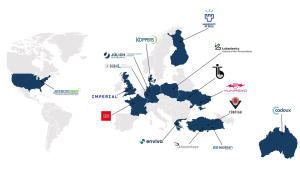
SAFELOOP (Safely Promoting Future EVs with Lithium-Ion Batteries Through Optimized Pathways) is a 36-month project launched in June 2024, bringing together 15 partners from 11 countries. SAFELOOP is funded by Horizon Europe, the European Union’s flagship research and innovation funding program. SAFELOOP has secured €5 million in funding from the European Commission.
The urgency for more efficient and reliable energy storage is growing
In our mobile, fast-paced society, the demand for energy storage solutions has never been more important. As we strive to build a sustainable future dependent on renewable energy sources, the need for efficient and reliable energy storage becomes paramount.
The SAFELOOP project is reimagining how electric vehicle (EV) batteries are manufactured. The project is developing innovative key battery components (anode, cathode, separator, electrolyte) using recycled materials provided by consortium members. These will be integrated into battery packs designed for electric buses. SAFELOOP aims to make significant progress towards the EU’s ambition to make Europe the first climate-neutral continent by 2050.
This need is urgent. Global EV battery demand is expected to reach 735 GWh by 2025, with more than 125 million EVs on the road by 2033. SAFELOOP’s mission is to make these batteries not only more sustainable, but also safer. The main goal of this project is to improve the safety, sustainability and performance of gigafactory-scale lithium-ion battery cells in Europe.
The project aims to extend EV battery life by 15% by 2030, set new safety benchmarks in line with the EUCAR Hazard Level 3 standard for mobility applications, and contribute to Europe’s ambitious recycling targets. To achieve this, SAFELOOP focuses on building a European supply chain, securing raw materials, reducing import dependence and limiting environmental impact. The goal is to develop the world’s first EV battery with the required recycling content and improved recycling rate within 10 years. By combining research excellence and industrial know-how, SAFELOOP is paving the way for safer, greener and more competitive European batteries. The project covers all aspects of battery life, and each partner brings unique expertise to help achieve the project’s goals.
SAFELOOP process
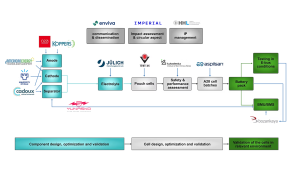
The overall process flow of SAFELOOP and its ecosystem is shown in Figure 2.
Prepare cathode active materials (NMC and LFP) from primary and recycled raw materials. As a more innovative approach, lithium manganese metal oxide (LNMO) cathodes are also synthesized. The electrochemical performance of the materials is evaluated using coin cells and pouch cells. The aim is to reduce supply chain risks by using raw materials from used batteries and metal refining industries within the EU. The project also aims to produce engineered carbon materials and additives used in cathodes to improve cyclability and safety.
The goal is to develop advanced anode materials from primary and recycled raw materials by integrating natural graphite, recycled graphite, synthetic graphite, and nanodispersed silicon powder. This innovative composite material increases the energy density of the anode and improves cycle stability to achieve 2,000 cycles at 80% of initial capacity, supporting sustainability initiatives in lithium-ion battery production and providing a competitive solution for high-performance energy storage systems.
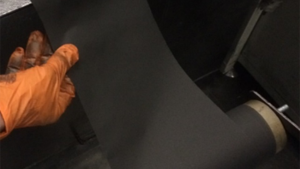
Certified safety-enhanced battery separators coated on the outside with a layer of nanoscale Cadoux premium HPA alumina. SAFELOOP offers 25 micron thick separators manufactured from ultra-high molecular weight polyethylene and polypropylene. Silica-filled separators are also evaluated. 15 micron and 20 micron thick separators are then qualified, both coated and uncoated.

This project will design and develop an optimized non-flammable, non-aqueous liquid electrolyte formulation that is compatible with the project-defined primary and recycled anodes, cathodes, and separators, with 15% improved long-term galvanostatic cycling stability (2,000 cycles, 80% initial reversible capacity, C/3 rate at room temperature) compared to the 2019 baseline cell chemistry through the formation of an effective solid electrolyte interface. We provide (SEI) for the anode and cathode electrolyte interface (CEI) for the cathode, and improved safety (flame retardancy) was achieved through the introduction of targeted functional additives/co-solvents.
Development research will be conducted on a pouch cell with a capacity of 2Ah. The anode and cathode active materials provided in the previous step are utilized. Technical parameters are optimized during electrode development studies.
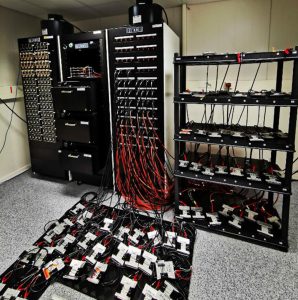
SAFETY IS EXTREMELY IMPORTANT
Safety assessment concerns associated with flammable state-of-the-art (SoA) battery electrolytes are addressed through detailed studies of identified flame-retardant electrolyte additives and co-solvents. The electrolyte formulations developed in this project are characterized in terms of safety properties for both the electrolyte and laboratory batteries (coin cell and 2Ah pouch level). Safety property characterization included flash point measurements and self-extinguishing time (SET) measurements using commercially available flash point analyzers.
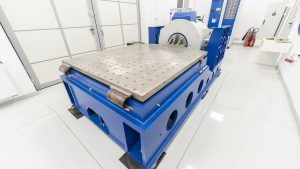
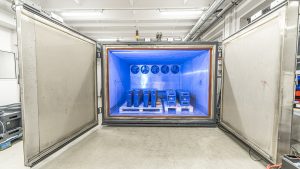
SAFELOOP comprehensively evaluates the impact of changes in recommended materials for 3rd generation EV-grade batteries based on the tangible benefits they bring to cell performance. This includes seeing how the proposed changes manifest throughout the EV battery lifecycle. This includes the use of cells in battery packs, test performance, performance maintenance, transportation, cell disassembly and recycling, and other important lifecycle-related considerations. Importantly, the focus will be on showcasing the safety enhancements, primarily by comparing the three repeat cells generated by SAFELOOP with the existing SoA Gen. The three cells that will be tested at the beginning of the project will be produced specifically for mobility applications. The batteries developed in this project will be tested in electric bus conditions, including road tests, charge/discharge tests, and performance tests.
SAFELOOP recommends ways to implement safety enhancements at the battery management unit (BMU) level, such as the cell sensing portion of a battery management system (BMS), and integrate those changes into EV designs at the BMS level.
The development of innovative and cost-effective recycled LIBs for gigafactory production is one of SAFELOOP’s focus areas, including calculating the unit economics of battery packs and analyzing the patent status of LIB recycling technologies in the EU. SAFELOOP also takes into account value chain mapping, eco-design guidelines, and environmental and social assessments to support commercialization potential.
partnership
SAFELOOP is also a proud contributor to the BATT4EU partnership and a member of the Battery 2030+ cluster. Among other things, BATT4EU aims to popularize e-mobility and stationary energy storage through its activities. SAFELOOP will in particular support Batt4EU’s specific objectives of supporting the development of various technologies in battery materials, cell design and manufacturing, and battery recycling. The Battery 2030+ and Batt4EU networks will strengthen impact and create synergies with other battery innovation initiatives across Europe. Strong synergies have also been established with sister projects INERRANT and SAGELi.
This article will also be published in the quarterly magazine issue 25.
Source link
