

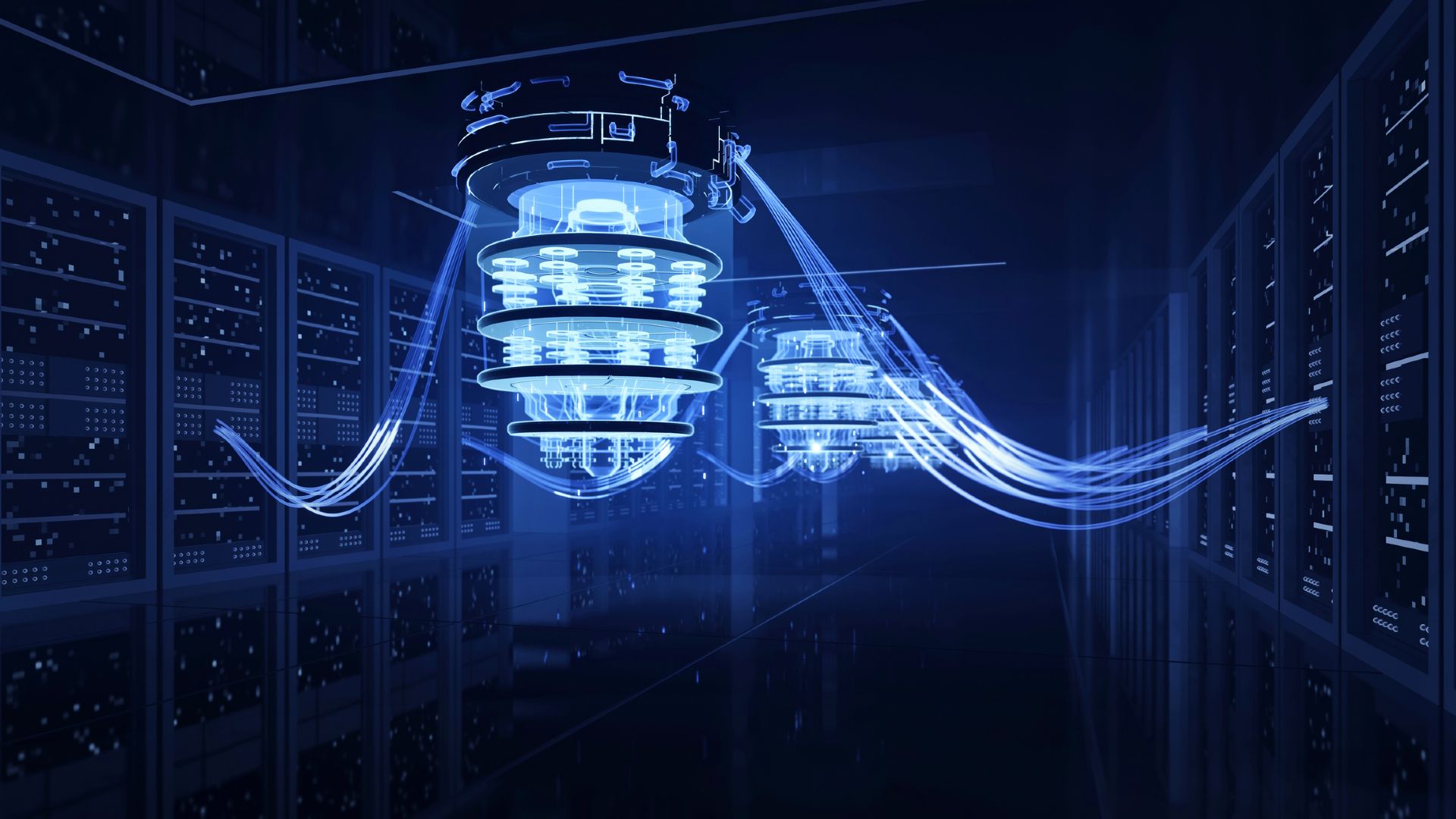
Computer scientists announced that they have developed a new encryption technique designed to protect sensitive data from quantum computers powerful enough to crack today’s cryptographic systems, one of the most pressing threats in cybersecurity.
In a study published in February 2025 in IEEE Transactions on Consumer Electronics (but published in a statement on March 2, 2026), researchers proposed a hybrid encryption framework specifically designed to protect video data, everything from surveillance footage to video calls, from both current hackers and future quantum attacks.
you may like
“Think of a typical computer hack like someone trying to break a traditional door lock. Trying every combination can take days or even years,” SS Iyengar, a professor and director of the Digital Forensics Center of Excellence at Florida International University, said in a statement. “But hacking a quantum computer is like having a key that allows you to try multiple combinations at the same time. This is what makes quantum threats so powerful.”
Quantum-resistant encryption per frame
To tackle this problem, researchers focused on how videos are encrypted and transmitted over the Internet. Their system combines traditional security techniques with elements designed to remain resilient as quantum computing advances. Rather than encrypting the video as a single large file, this method generates a pseudorandom key that scrambles the individual frames before sending them.
In reality, video data is encrypted using an encryption key that can only be decrypted by authorized users. Even if an attacker were to intercept the transmission, they would be unable to read the underlying information without the correct key.
What differentiates this method from traditional approaches is that it focuses on the structure of the video. Video files often contain patterns (repeated structures created by compression algorithms or frame similarities) that attackers can exploit during decryption (the act of finding weaknesses in cryptographic algorithms). The new framework attempts to eliminate these patterns by increasing the randomness, or “entropy,” of encrypted video frames.
According to this study, this statistical randomness is a key factor in how cryptographic strength is measured. In their simulations, the researchers measured factors such as how randomly the scrambled data appeared and how similar adjacent data points were. The more random the output is and the fewer detectable patterns it contains, the harder it will be for an attacker to analyze it.
Based on these tests, the team said the system outperformed similar video encryption methods by about 10 to 15 percent in simulations. This benefit primarily came from removing patterns that attackers use as clues when analyzing encrypted files.
Another important aspect of this design is that it runs on today’s traditional computers. The system is designed with future quantum computing threats in mind, but does not require specialized quantum hardware. This means, in theory, that it could be integrated into existing infrastructure currently used for video conferencing, cloud storage, and surveillance systems.
What to read next
Safety measures for Q-Day
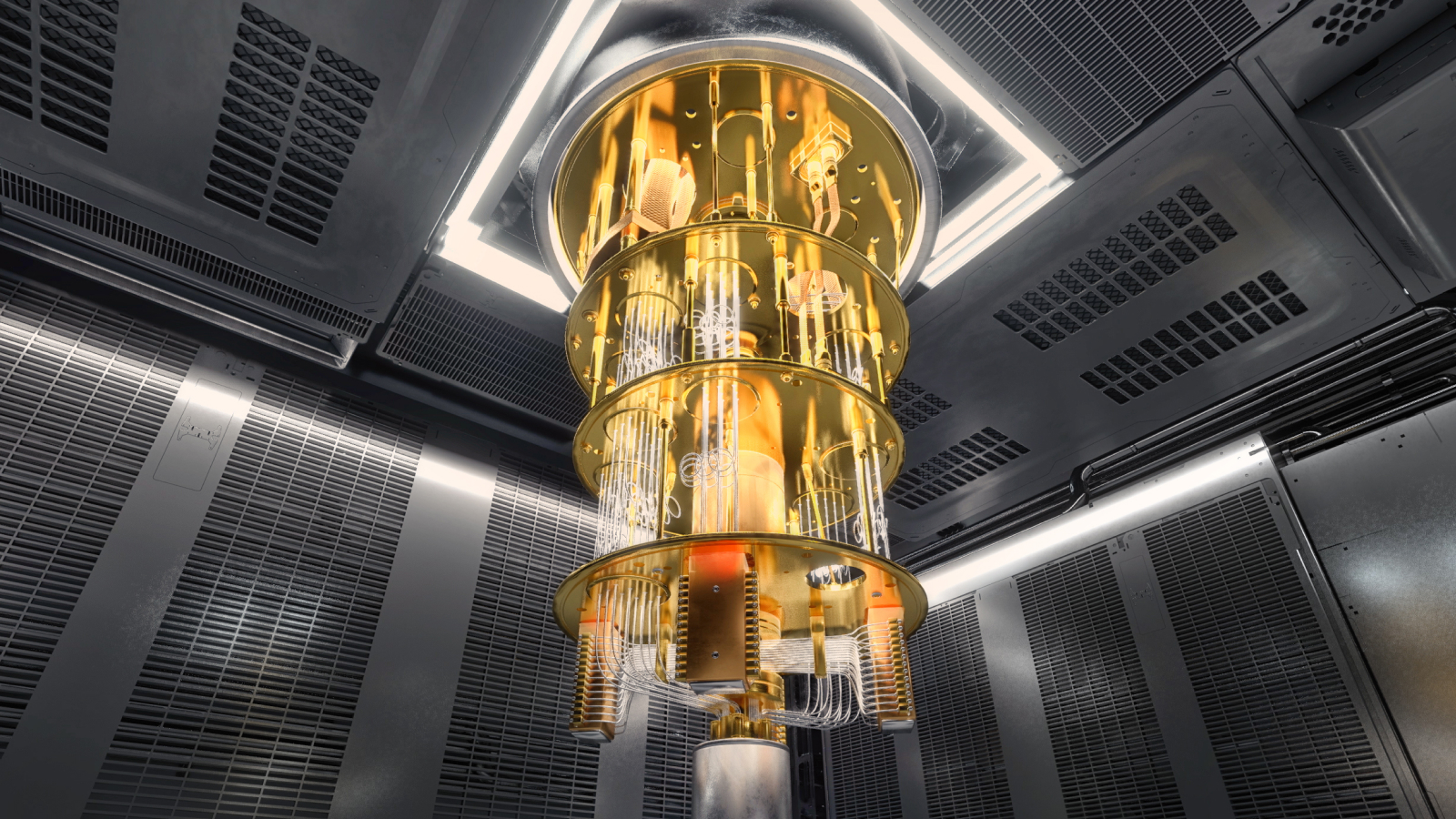
This new technology is just one part of a much larger effort to prepare for “Q-Day,” a hypothetical future moment when quantum computers gain an edge and become powerful enough to break through widely used encryption systems. Governments and industry groups around the world are already working to replace weak cryptographic standards with quantum-resistant alternatives.
Efforts to prepare for security in the quantum era have already begun. The National Institute of Standards and Technology has spent years evaluating new forms of encryption designed to withstand attacks from future quantum machines, for example. The agency is currently standardizing some of these algorithms so that they can eventually replace the public key systems currently used on the Internet.
New research does not replace these new standards. Rather, it represents a complementary layer of protection tailored specifically to video data. As video communications become central to business, government and daily life, and as synthetic media and deepfakes become easier to create, ensuring video streams are reliable and secure is becoming increasingly important, experts say.
Researchers are working on scaling this system from small test files to full-length video streams and real-time communication platforms. If successful, this technology and similar systems could eventually be used to protect everything from corporate meetings to surveillance networks from both today’s hackers and tomorrow’s quantum computers.
Y. Hariprasad, SS Iyengar, and NK Chaudhary, “Securing the Future: Advanced Encryption for Quantum-Safe Video Transmission,” IEEE Transactions on Consumer Electronics, vol. 71, no. 1, pp. 140-153, February 2025, doi: 10.1109/TCE.2024.3473542.
Think you know about the world of computing? Test your knowledge with our computing quiz!
Source link
