

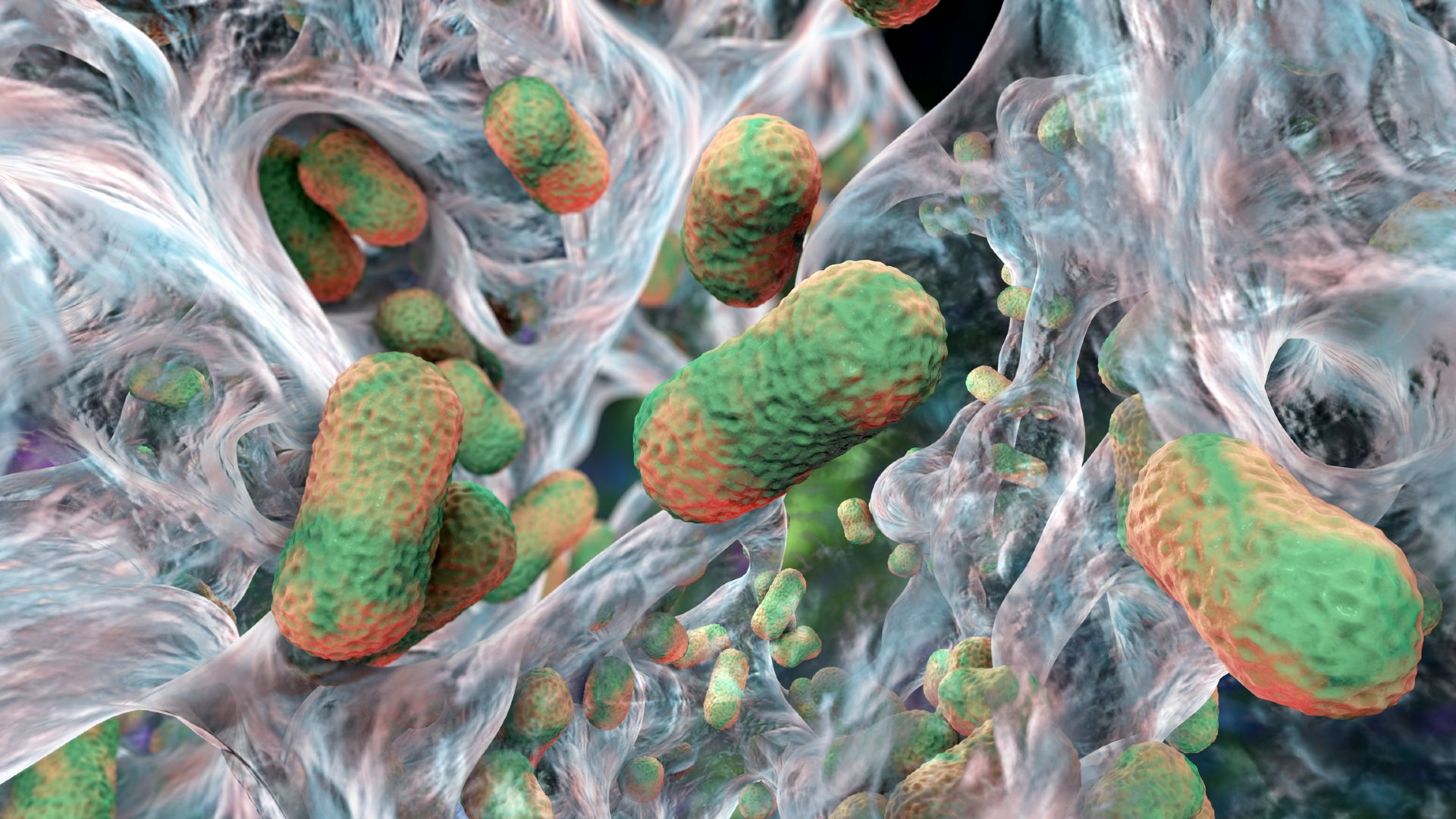
Antibiotic-resistant bacteria may have an Achilles heel. The Achilles heel is a unique sugar molecule that exists only on the outside of bacterial cells.
Recent studies in mice have shown that targeting this molecule can make bacteria more vulnerable to the immune system, which can destroy them and clear infections.
If the same effect can be demonstrated in humans, targeting this sugar molecule could provide a new approach to tackling a variety of superbugs, including notorious species such as Acinetobacter baumannii, Helicobacter pylori, and Campylobacter jejuni. This is according to the researchers behind the study, which was published in the journal Nature Chemical Biology on February 4th.
you may like
“The next step in developing this concept is to generate antibodies suitable for use in humans,” said study co-author Ethan Goddard Borger, who studies the role of sugars called glycans in disease at the Walter and Eliza Hall Medical Research Institute in Australia.
This involves either “humanizing” the antibodies used in the mouse studies or identifying human equivalents that are equally potent, Goddard Borger told Live Science in an email.
superbug sugars
Antibiotic-resistant bacteria are a serious threat worldwide, and Gram-negative bacteria are of particular concern. This group of bacteria has a tough protective layer that makes them particularly difficult to treat with many existing drugs. The pathogens A. baumannii, H. pylori, and C. jejuni belong to this group.
These bacteria often adopt a “sugar coating” to evade the immune system and resist the effects of antibiotics. The glycocalyx essentially mimics the sugars found in human cells and tricks the immune system into ignoring bacteria.
Previous research has shown that a sugar called pseudamic acid (Pse) exists only on the outside of bacterial cells and is very different from the sugar present in human cells. In theory, this could allow Pse to flag bacteria as “foreign,” allowing the immune system to attack them, making it a safe way to target infections that are resistant to antibiotics.
However, previous research has been limited in that scientists have struggled to extract enough sugar to study it effectively. So in the new study, researchers created Pse sugar molecules in the lab.
Using custom-made molecules, they developed special proteins that adsorbed to the molecules. These proteins, called monoclonal antibodies, act like highly specific biological targeting systems designed to target the Pse sugar.
What to read next
The research team tested these antibodies against H. pylori, C. jejuni, and A. baumannii in laboratory experiments and found that these antibodies bound tightly to Pse across all bacterial species. The antibodies worked even though the sugar structures differed between bacteria.
Therefore, although this antibody may hit some specific strains across a variety of bacterial species, additional studies will be required to show that these antibodies bind to a high proportion of clinical isolates tested for this specific antibody in order to be reasonably considered as a potential therapeutic.
Brian Luna, University of Southern California
They then tested the sugars in mice infected with antibiotic-resistant A. baumannii. They found that tagging Pse with an antibody made the infection visible to the immune system, allowing immune cells to find, engulf and destroy the bacteria.
In the experiment, 10 mice that did not receive the antibodies died from infection within a day. Mice treated with the antibody had 100% survival throughout the entire week of observation.
A new approach to overcome antibiotic resistance?
The study authors believe that in the future these antibodies could be administered to vulnerable hospitalized patients to prevent infectious diseases. Because Pse is not present in human cells, researchers hope that such treatments specifically target bacteria without harming healthy human cells.
In the long term, the authors suggest that these antibodies could be used to develop vaccines that provide broad protection against Gram-negative bacteria.
But the immediate next step is to adapt these antibodies for potential use in humans. “We think it may be possible to develop monoclonal antibodies that target sugars common to multiple bacteria for use as therapeutics,” said Brian Luna, an assistant professor of molecular microbiology and immunology at the University of Southern California who was not involved in the study.
“However, the main limitation is that sugars, including in this case pseudoamic acid, are not expressed in all bacteria,” Luna told Live Science via email. “Thus, while this antibody may hit some specific strains across a variety of bacterial species, additional studies will be needed to show that these antibodies bind to a high proportion of clinical isolates tested for this specific antibody in order to be reasonably considered as potential therapeutics.”
That means more research is needed to demonstrate that such antibodies could help treat and prevent a wide range of bacterial infections in people.
This article is for informational purposes only and does not provide medical advice.
Source link
