

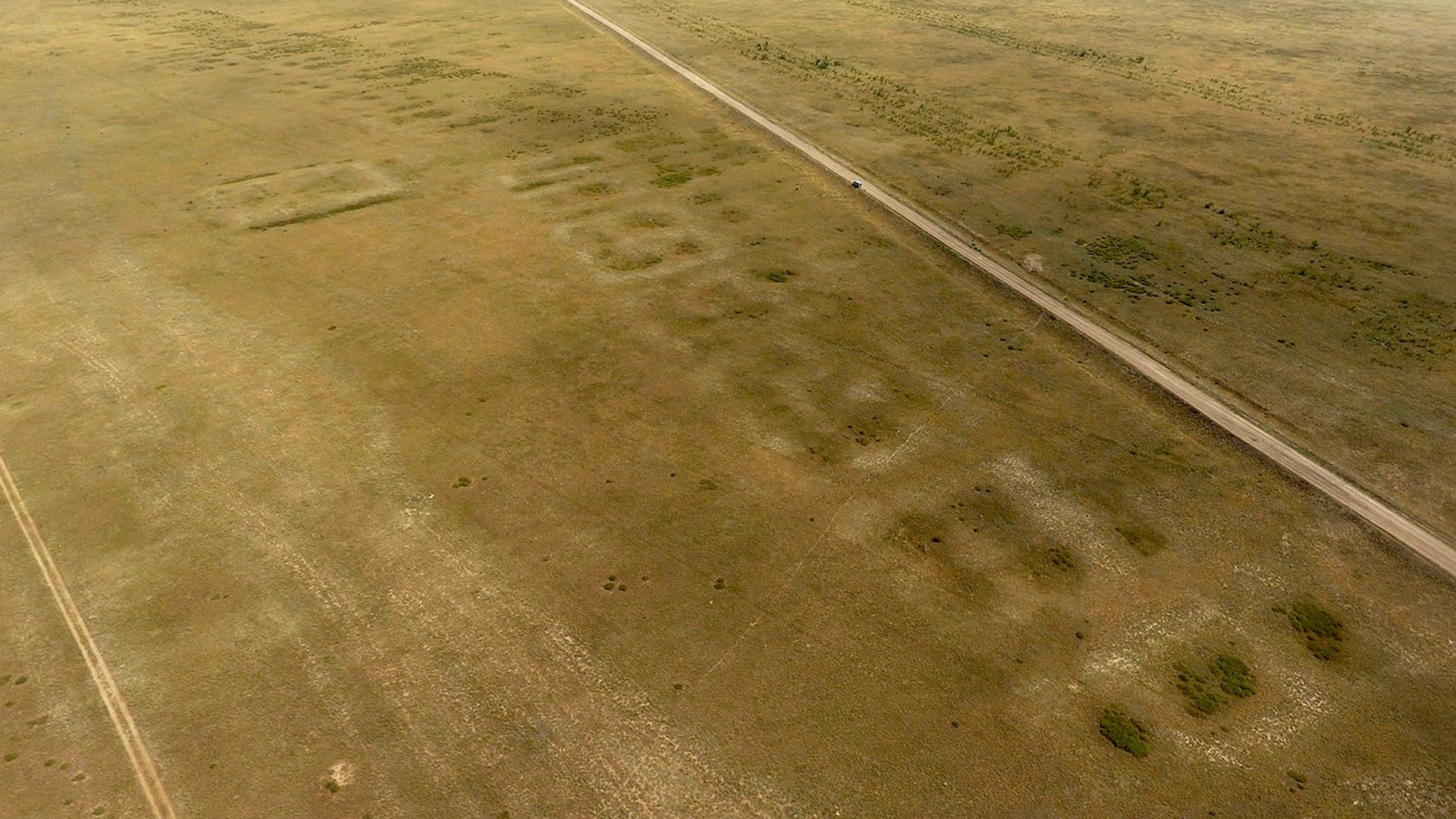
Archaeologists have discovered a vast Bronze Age settlement in the steppe of Kazakhstan that was likely an early major city during its heyday some 3,600 years ago, a new study reports.
The early city of Seminyarka covered 346 acres (140 ha), more than four times the size of contemporary villages in the region. The site dates back to 1600 B.C. and is the first site in the region to be found containing a significant space dedicated to metallurgy and the production of tin-bronze, according to a study published in the journal Antiquity on Tuesday (18 November).
“Semiarcha forever changed our understanding of steppe societies,” lead study author Mirjana Radivojevic, an archaeologist at University College London, said in a statement. “This shows that mobile communities were able to build and maintain permanent, well-organized settlements around large-scale metallurgical production.”
you may like
The site is perched on a cliff above the Irtysh River in northeastern Kazakhstan, overlooking a web of valleys. Because of its prominence, scientists have dubbed the city the “City of the Seven Valleys,” and its location suggests it may have controlled movement along the river, the researchers said in a study report.
As the team surveyed the area with a drone and excavated several different sections of the site, they noticed two rows of earthworks, or large earthen embankments, tilted towards each other and divided into smaller structures. Walls made of mud bricks may have been built along the inside of the embankment to separate individual households.
A larger central structure was located where the two columns met. Researchers proposed that this structure was about twice the size of the others and may have been used for ceremonial or political purposes.
To the southeast of one of the earthwork rows is an area filled with metalwork, ore, and slag, suggesting that the space was used for metalworking. The area may have been an early example of industrial production of copper and tin-bronze (an alloy of copper and tin) and was “the basis of the Bronze Age economy of Eurasia, which has long been lost in the archaeological record,” Radivojevic said.
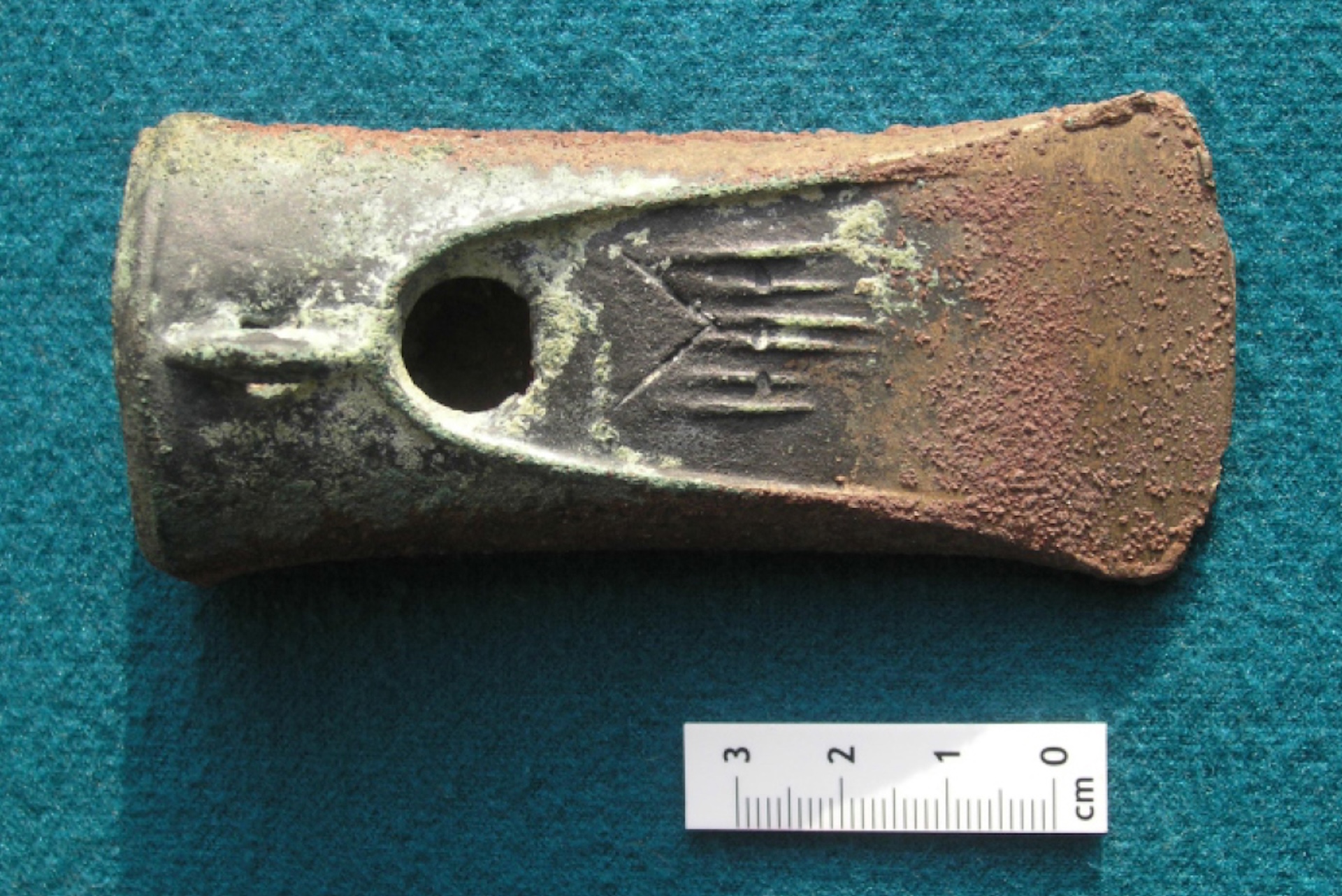
The metal ore used to make these artifacts is believed to have come from deposits near the Altai Mountains, near the borders of Kazakhstan, Russia, Mongolia, and China. Given these deposits and its strategic location near the river, Seminyarka may have served as a trade and distribution center for the region.
“The scale and structure of Semyarka is unlike anything we have seen before in grassland areas,” study co-author Dan Lawrence, a landscape archaeologist at Durham University in the UK, said in a statement. Early cities were much larger than the small camps and villages that were common in steppe communities at the time.
The archaeological discoveries “show that Bronze Age communities here developed sophisticated, well-planned settlements similar to contemporary communities in more traditional ‘urban’ areas of the ancient world,” Lawrence added.
The ongoing excavations and future excavations could help clarify Seminyarka’s role within the wider region, the researchers said in the study.
Source link
