

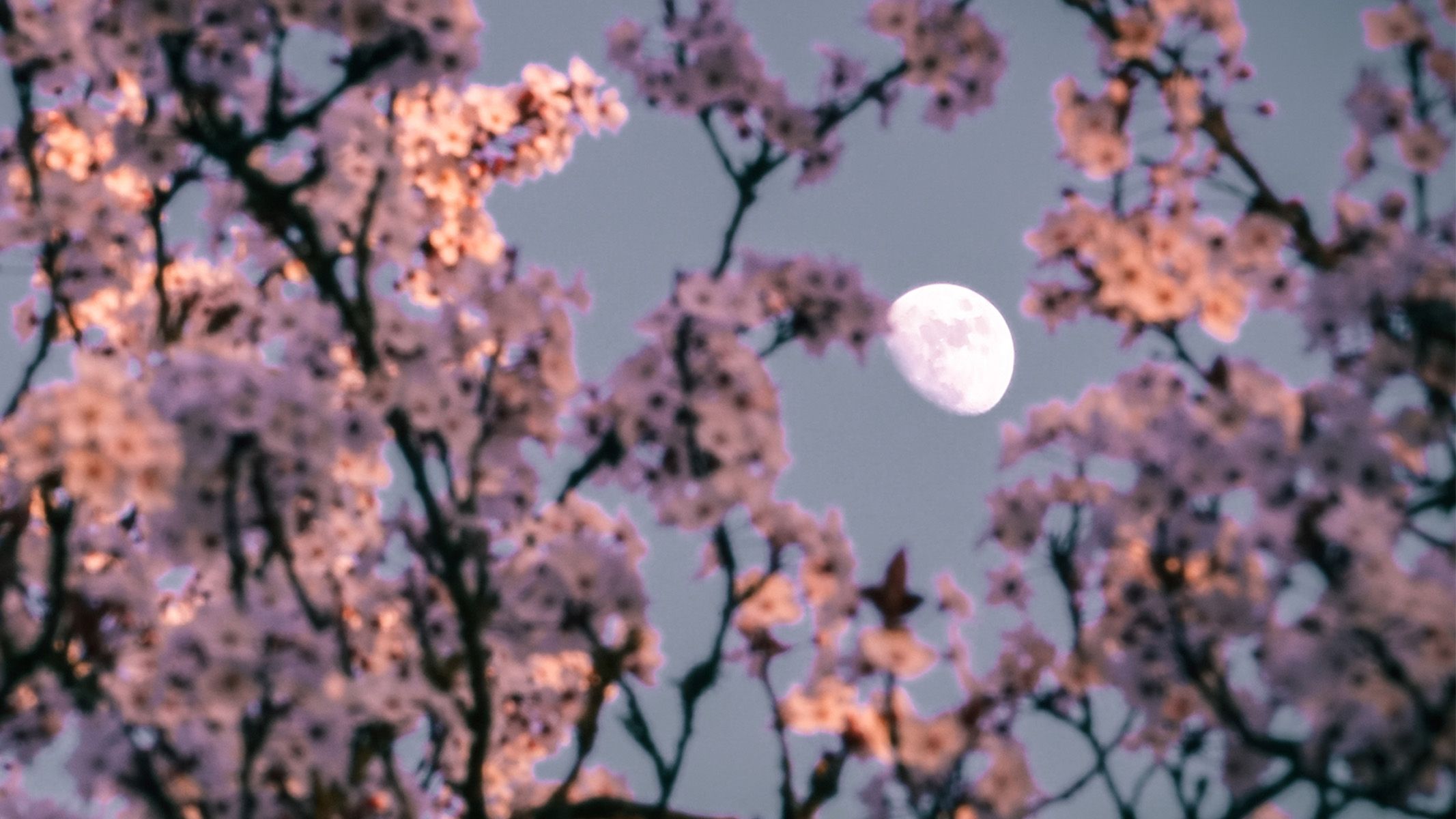
April brings some very exciting night sky events as the winter constellations sit low in the night sky. The full moon at the beginning of the month is a great target for beginners, and not only can you enjoy the breathtaking Lyrid meteor shower (during new moon week, of course), but you’ll also see two comets in April. However, one of them is too close to the sun to be enjoyed with the naked eye.
Check out our recommendations for the best cameras, binoculars, and telescopes for each event during April.
April 1st: Full Pink Moon
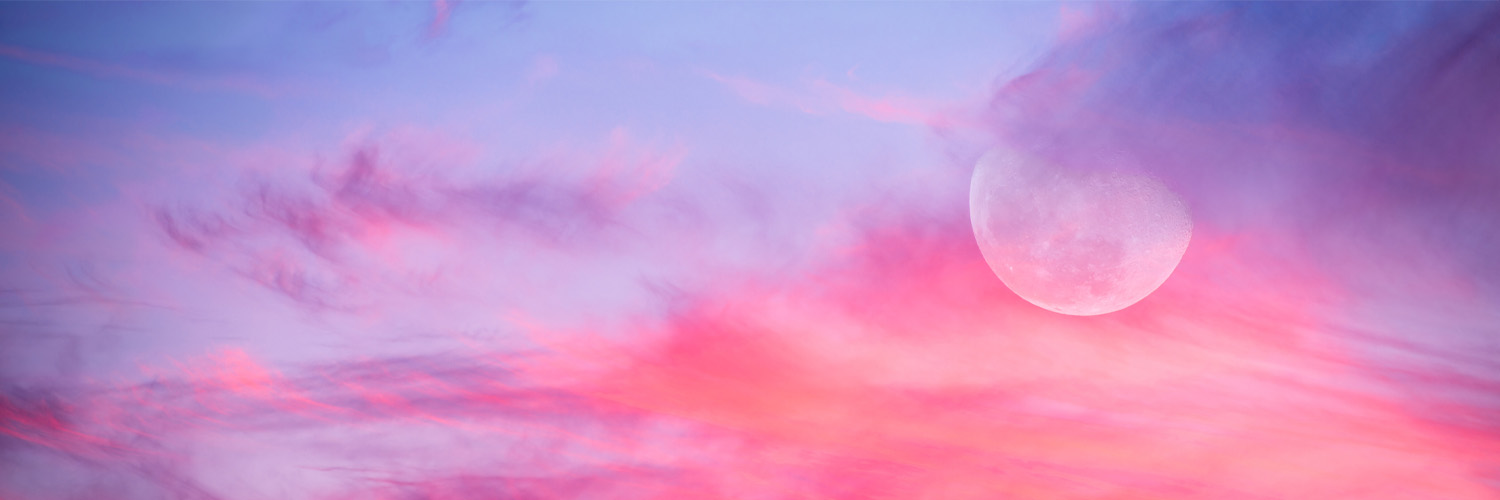
April begins with the full Pink Moon, which runs from the night of April 1st to April 2nd. Whether you’re a beginner or an experienced astronomer, the full moon always pleases people. As you know, the moon is easy to see with the naked eye, but if you want to get a closer look, pick up a pair of binoculars or a small telescope to get a closer look at the craters and the moon’s surface. Moonrise in the evening is also the best time to photograph the moon. In particular, you can photograph the moon rising over bridges, monuments, and towers to add drama and scale.
Article continues below
you may like
Commonly seen in the following cases:
Camera: Lens selection is actually more important for moon photography, as long as the camera works well in low light. You’ll need a long focal length to zoom in as much as possible to make the moon appear larger in the frame (a tripod or monopod can also help stabilize the shot). Smart telescopes can also track and stack images of the moon, making them a great alternative if you don’t have an astrophotography camera.
Binoculars: You can see the moon with almost any binocular, but it depends on how much detail you want to see and whether you want to view it handheld or on a tripod. Although we were able to get beautiful views of the moon with compact binoculars, if you want to enjoy the best views, we recommend purchasing larger astronomical binoculars. A good place to start is with binoculars that are 12×50 or larger.
Telescope: You can certainly get a decent view of the moon with a small telescope, but as you might expect, a larger telescope has better light-gathering power. In fact, the eyepiece probably makes the biggest difference in moon viewing.
The 20mm eyepiece will give you beautiful full moon views, while the higher magnification 6-10mm eyepiece is best for capturing surface details. That said, the moon is a great first target for your child to observe with a children’s telescope.
April 3: Mercury reaches maximum western elongation
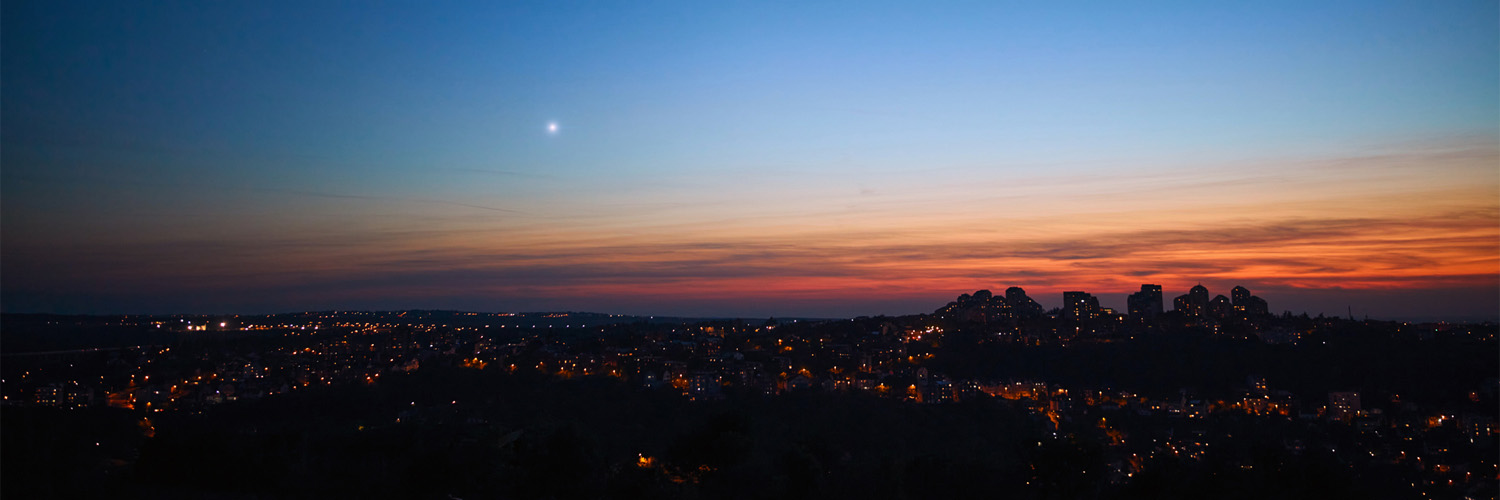
Most casual observers would be better off observing Mercury with the naked eye, thanks to its size. But if you have a beginner’s telescope on hand and don’t mind waking up before dawn, you can actually see the phases of Mercury. However, don’t expect to see surface details. Plus, you’ll have to manage the bright pre-dawn light and Mercury’s low altitude, so I don’t recommend spending too much time on it.
April 4: Comet Sungrazer C/2026 A1 (MAPS)
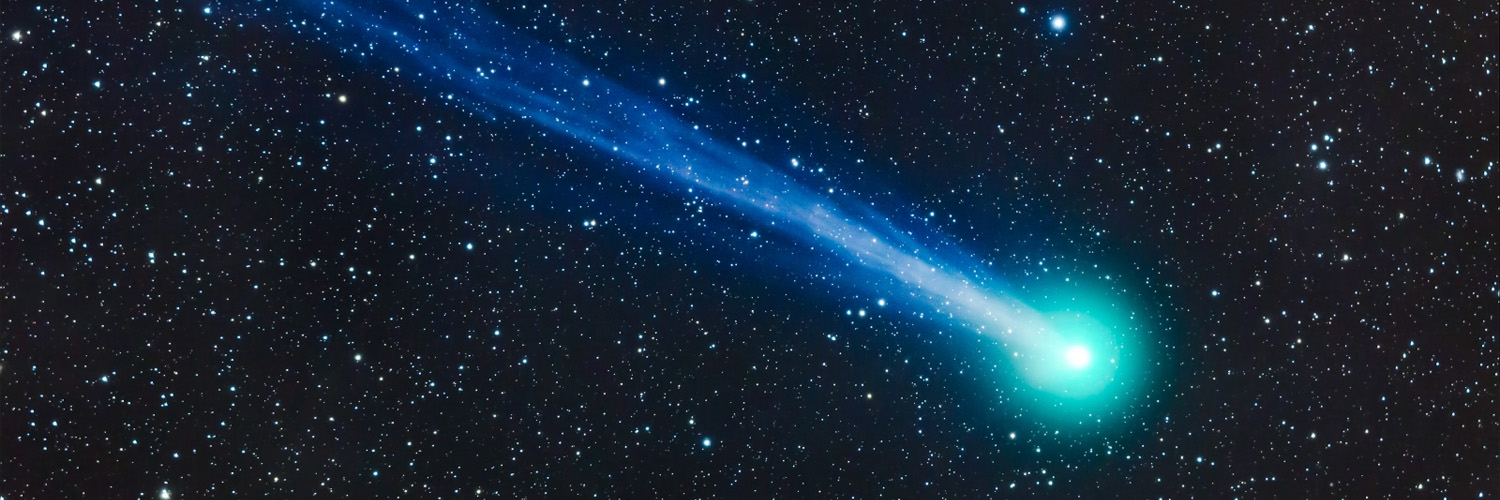
Strictly speaking, it is not a celestial object in the night sky, but there is a possibility that a “sungraser” comet can be seen at the beginning of the month. Comet C/2026 A1 (MAPS) will make its closest approach to our star on April 4, and if it survives the close encounter, it could shine several times brighter than the full moon. Unfortunately, because it is so close to the Sun, the safest way to view it is on a computer via the Solar Heliosphere Observatory (SOHO).
What to read next
Observing the sun can be dangerous and you may want to use professional solar observation equipment, but these equipment are designed to block more than 99% of the sun’s harmful light, so solar binoculars can completely block out comets.
April 13th: Mars and Neptune conjunction
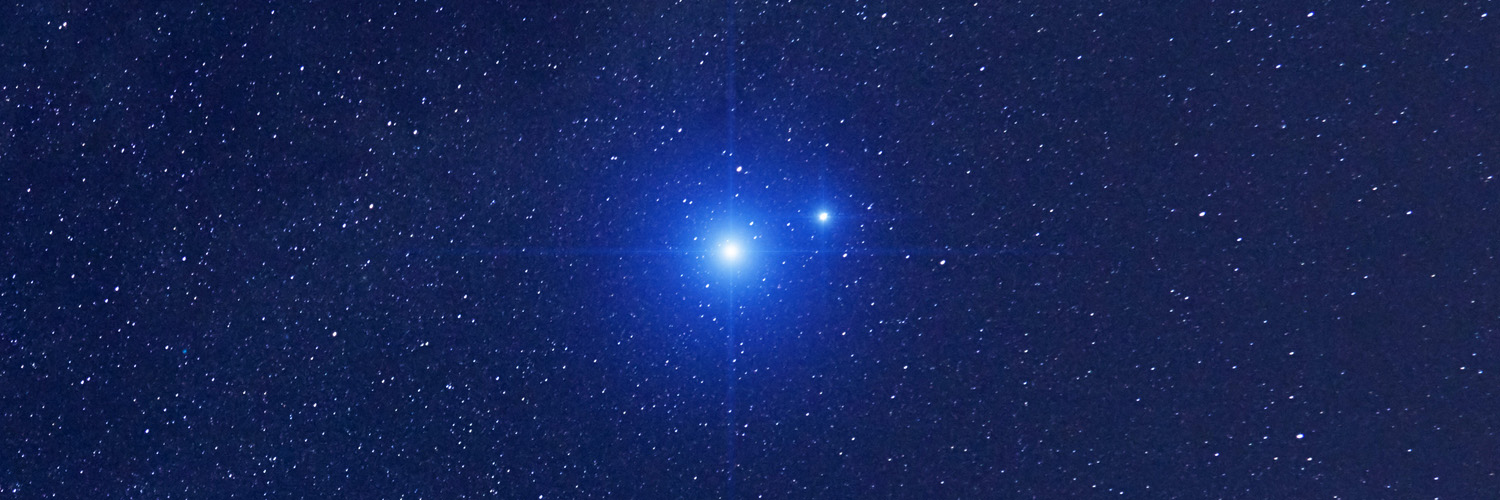
Before dawn on April 13, Mars will overlap the distant planet Neptune, and if conditions are good, you may be able to see Mars through a telescope. However, there are some caveats here.
First, Neptune is far from Earth, so you need a large telescope to see it. You will need at least a 6-8 inch telescope. Second, conjunctions occur when the planets are very close to the horizon, so observation conditions are not ideal at such low altitudes. Third, it happens just before sunrise, so it doesn’t take long until it gets too dark.
It’s a great event to try, but we recommend waiting until the week of the new moon to get any meaningful observations on the ice giants.
The distant planet we chose
April 17th: New Moon

This week is the perfect time for dark skies. There’s a new moon on the 17th, and the days before and after are perfect for stargazing without spoiling the scenery with the moonlight. Spring is also the best season for galaxies, giving us a chance to see and visualize faint, blurry things that we wouldn’t normally see.
Commonly seen in the following cases:
Camera: If you want to take pictures of the galaxy, you have two options. The first (and by far the easiest) is to use a smart telescope that locates, tracks, and stacks images for you. The second method is to use a camera (even a beginner astronomical camera will work), a long telephoto lens, and a star tracker. This method requires more know-how and patience, but if done correctly, the results are greater. If you want a bonus third option, you can mount your camera on a telescope if you have both.
Binoculars: Binoculars are perfect if you want a portable way to see more stars than you can see with the naked eye without having to fiddle with a telescope. However, you won’t be able to see many galaxies. All you need is a pair of 10x50s to sweep the sky to observe star clusters and constellations. Or you can increase the magnification to higher magnification to observe the Andromeda Galaxy or Jupiter’s moons.
Telescopes: The week of the new moon is an ideal time to grab your telescope and is probably one of the last chances to see the winter constellations before they disappear. Since there is no moonlight, you can get good visibility using anything from a small beginner’s scope to a large Dobsonian.
April 17: C/2025 R3 (Panstars)
During the week of the dark new moon, you may be able to catch a glimpse of the second of April’s comets, the “Great Comet of 2026,” Comet C/2025 R3 (PanSTARRS) just before sunrise. It’s not yet known how bright it will be, but some researchers predict it could reach anything from magnitude 8 (so only visible through a telescope or large astronomical binoculars) to magnitude 2.5, visible to the naked eye.
You can spot this comet with a telescope right now. The comet grows brighter as the month progresses, reaching its closest approach (perihelion) on April 17th. It will then make its closest approach to Earth on April 27, making it a perfect opportunity to see it again.
Commonly seen in the following cases:
Camera: To take pictures of this comet, you will need a suitable astrophotography setup with a telephoto lens to capture the comet’s core and tail. A smart telescope is an alternative option, especially if you live in a city with light pollution, and will give you a closer view than a camera.
Binoculars: You are very likely to spot a comet with binoculars, but their size will determine the specs you need. To be safe, the diameter of the objective lens should be as large as possible to capture the maximum amount of light.
Telescope: All you need is a small telescope to see the comet, but as expected, instruments with larger apertures will give brighter results.
April 21/22: Peak of the Lyrid meteor shower
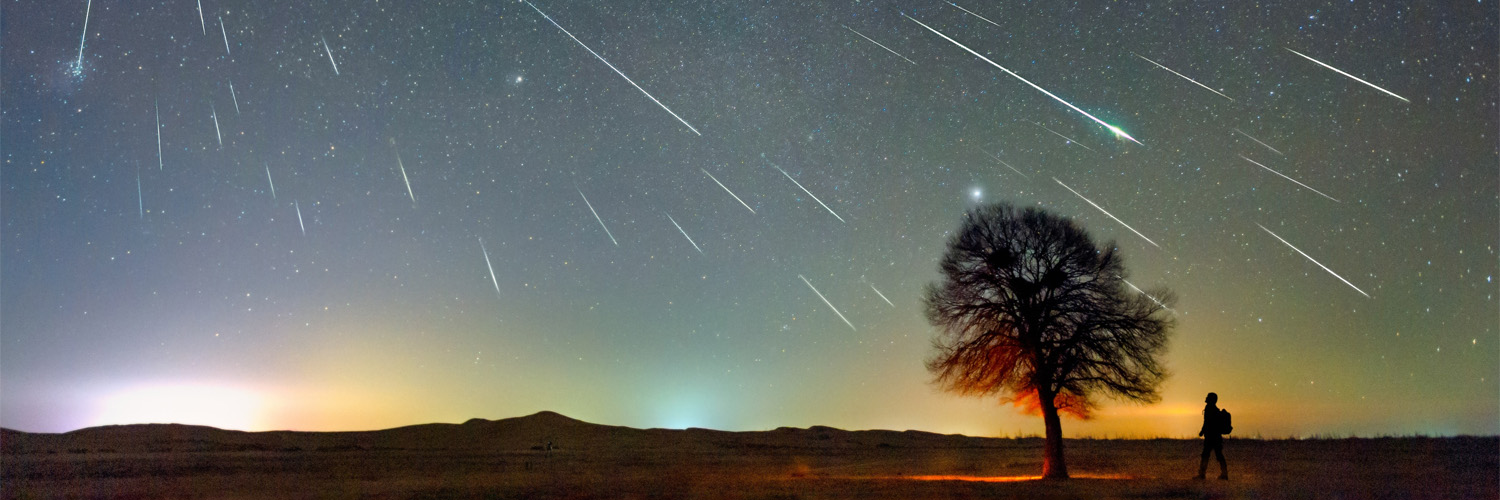
The Lyrid meteor shower will be active from April 15th to 29th, but its peak is expected to be on the night of April 21st to 22nd, with best visibility from after midnight to before dawn. The moon phase will also work in your favor, with illumination at only about 27% and scheduled to be set just after midnight, so no moonlight will be visible for much of the night. Meteors originating from the constellation Lyra near the bright star Vega can be seen across the sky.
Commonly seen in the following cases:
Camera: For astrophotographers, meteor showers are extremely rewarding events to photograph. You’ll need a camera that can handle high ISO levels (again, helped by the lack of moonlight) and a fast wide-angle prime lens to get as much of the sky and foreground into the shot as possible.
The OM System OM-1 Mark II is ideal for meteor showers because you can see exactly what is being recorded on screen in live composite mode. This proves that even APS-C and Micro Four Thirds cameras are suitable for astrophotography.
Binoculars: While the naked eye is usually the best way to view meteor showers, binoculars can help you spot faint meteors and dim tails that you can’t normally see. Plus, while you wait, you can use a pair of 10x42s to check out other favorite nighttime targets like star clusters, planets, and the Milky Way. However, as it is one of the most visible showers, binoculars are not a necessity.
Source link
