
Electron beam technology emerges as new weapon against PFAS
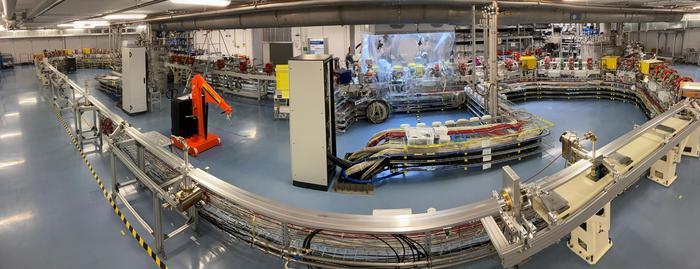
Cleaning up PFAS contamination has long been a challenge for environmental engineers, but a solution may emerge from an unexpected field. Rather than relying on filters and chemical additives, researchers are turning to the destructive power of particle accelerators and electron beams. By harnessing high-energy electrons, scientists believe they can break down some of the […]
Designing nuclear energy systems with non-proliferation in mind
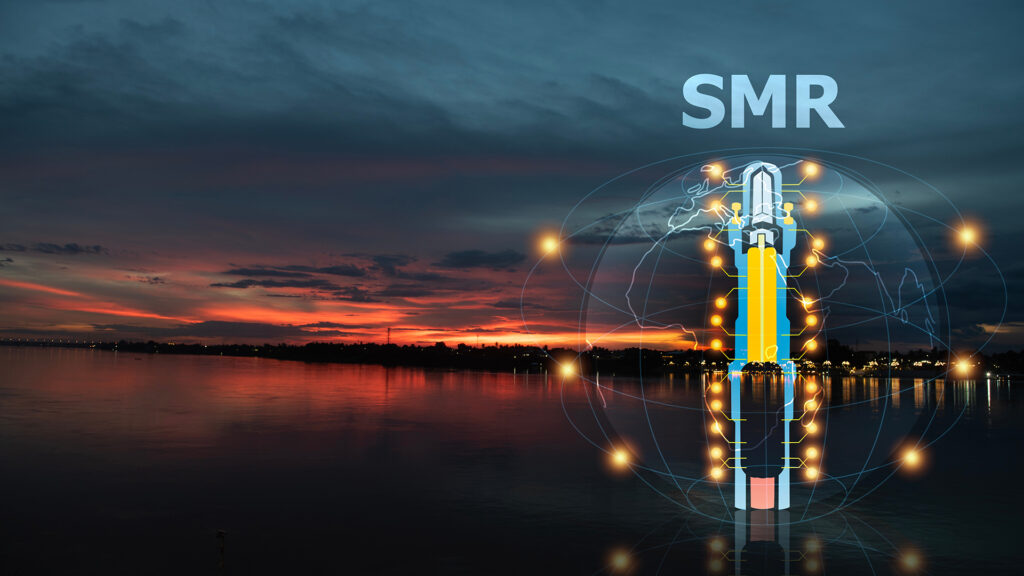
Accelerated nuclear power deployment requires early coordination on design choices to ensure new technologies remain unattractive for weapons development. During a period when the effects of climate change are pushing the world towards more sustainable forms of energy production, nuclear power has emerged as a suitable option in many states that had not previously planned […]
€6.5 million project begins to improve air quality across Ireland
Researchers from Trinity College Dublin are working with collaborators across the island of Ireland on a large-scale cross-border effort to improve air quality. Through a structured program of scientific research, behavioral insights, community outreach, and policy support, Peace Air addresses three major sources of air pollution: solid fuel combustion, transportation emissions, and agricultural ammonia. The […]
Targeting growing threats with overhaul of EU cybersecurity law

Europe’s digital backbone is under increasing strain as cyber-sabotage, ransomware and foreign interference become everyday realities. In response, the European Commission announced a wide-ranging review of cybersecurity law and set out a new strategy to secure technology supply chains, reduce exposure to high-risk vendors, and strengthen the EU’s collective capacity to prevent and respond to […]
New routes to life-supporting conditions in Europe’s oceans
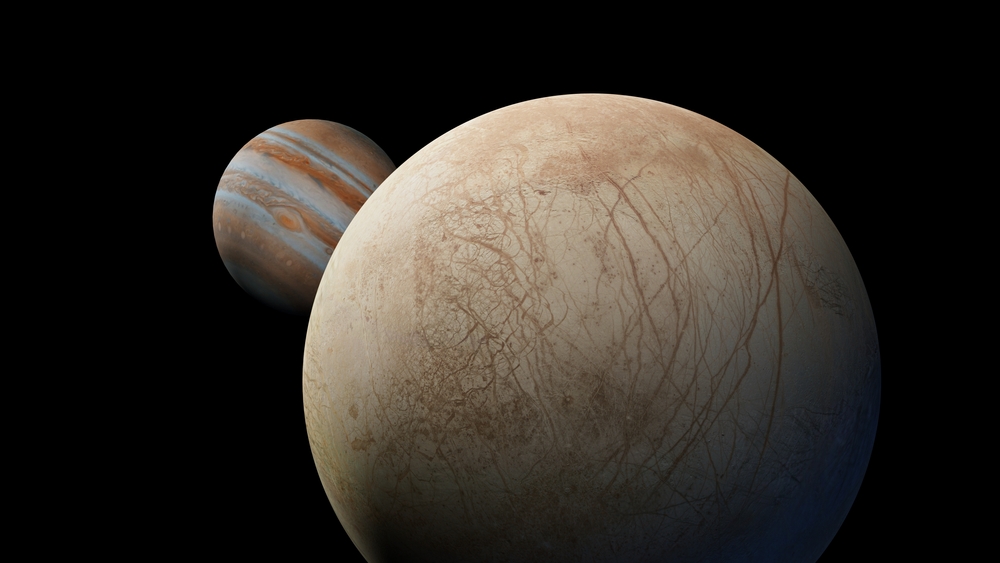
A recent study by Washington State University geophysicists provides insight into how nutrients reach the subsurface ocean of Europa, one of Jupiter’s moons and a leading candidate for extraterrestrial life in our solar system. Scientists have long wondered how life-sustaining nutrients can get from the Earth’s surface to Europe’s oceans, where microscopic life is thought […]
€17 million GAMMA project to accelerate green transport

The project, funded to the tune of €17 million through Horizon Europe, aims to demonstrate how hydrogen-based fuel cells and climate-neutral fuels can transform deep-sea shipping and enable zero-emission operations for large ocean-going vessels. The five-year initiative is led by Icelandic engineering company Verkís and includes a consortium of European innovators including ANT Topic, Fraunhofer, […]
Spin size rewrites the Kondo effect

Quantum effects in Kondo lattices determine whether a system behaves magnetically or non-magnetically, opening new avenues for designing future quantum materials and technologies. The Kondo effect, the interaction between localized spins and conduction electrons, plays a central role in many quantum phenomena. However, the presence of additional charge and orbital degrees of freedom in real […]
£43m investment boosts UK green aviation and economic growth

The UK Government has announced a huge £43m funding injection to accelerate the development of green aviation technology. The investment is aimed at boosting economic growth, creating high-skilled jobs and moving the aviation industry closer to its Jet Zero goal of net zero emissions by 2050. The main focus of the £43m funding is to […]
EU invests €307 million in AI and digital technologies

As global competition for digital technologies intensifies, the European Commission is stepping up investments to ensure Europe remains at the forefront of innovation. The EU announced a major investment of €307.3 million to strengthen its leadership in digital technologies and launched two new funding calls under the Digital, Industry and Space cluster of the Horizon […]
What are “eternal chemicals” and how can we cleanse them?

Researchers at Australia’s national science agency, CSIRO, are joining the global effort to clean up PFAS. Here, three CSIRO scientists share their insights into what PFAS are and how they can be destroyed safely and permanently. Per- and polyfluoroalkyl substances (PFAS) are man-made chemicals that do not degrade naturally and are often referred to as […]