
How microbiome science is shaping the next frontier against PFAS

In addition to smoke and flames, firefighters also face invisible chemicals such as PFAS. Cambiotics is developing microbiome-based solutions to reduce this chemical burden. When a firefighter steps into a burning building, all his senses are heightened by the danger. The heat, the sound of buildings collapsing, the smell of smoke. These are dangers that […]
Revolutionize PFAS testing with a portable sensor platform

Verralize enables on-site PFAS analysis and detection at 4 PPT in minutes. Per- and polyfluoroalkyl substances (PFAS) contamination poses a dual challenge for environmental protection. In addition to removing these “forever chemicals” from the water supply, we first need to detect them quickly, accurately, and cost-effectively. Although remediation technology continues to advance, detection remains largely […]
Why helium is essential for semiconductor manufacturing

Helium plays an important role in semiconductor manufacturing, affecting both the quality and efficiency of chip production. Its unique properties, such as chemical inertness and low thermal conductivity, contribute to maintaining optimal manufacturing conditions. However, the industry faces significant helium supply challenges. This situation raises important questions about the future of semiconductor technology and its […]
How biometrics protect the online world

Biometrics is an evolving field that utilizes unique biological characteristics for security purposes. Fingerprints, iris scans, and voice patterns serve as reliable identifiers in a variety of applications. Each method has different benefits and challenges. However, the underlying technology and its impact on privacy and security remains complex. As advances continue, questions arise about the […]
At the forefront of PFAS research, from detection to remediation
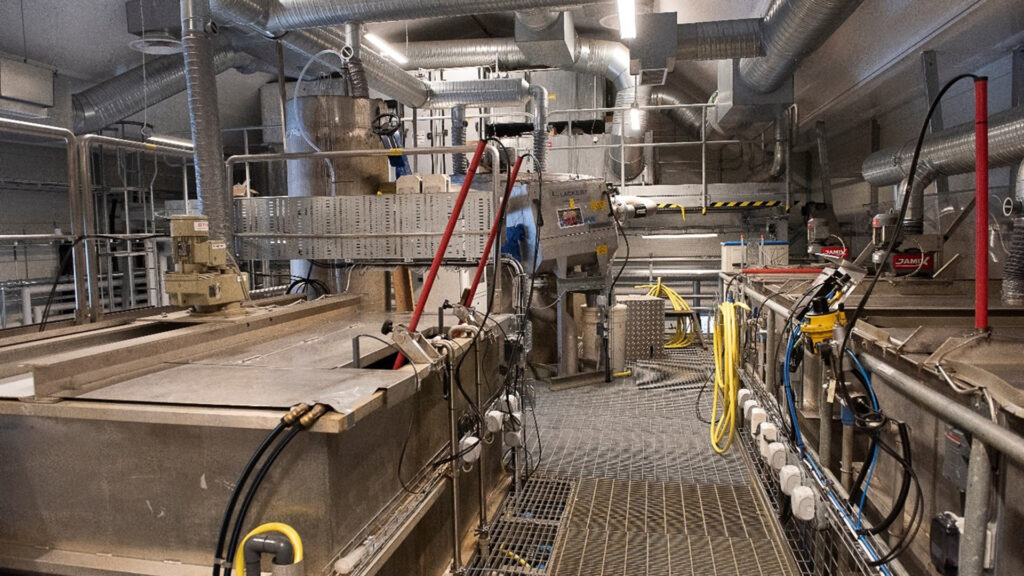
IVL leads PFAS research and advances practical environmental solutions through advanced analysis, field-scale testing, and policy engagement. “We don’t just want to follow the regulatory curve, we want to shape it,” said CEO John Rune Nielsen. “Our role is to ensure that science provides clear, practical answers to one of today’s most pressing environmental problems.” […]
How solar sails and photon propulsion could change interstellar exploration
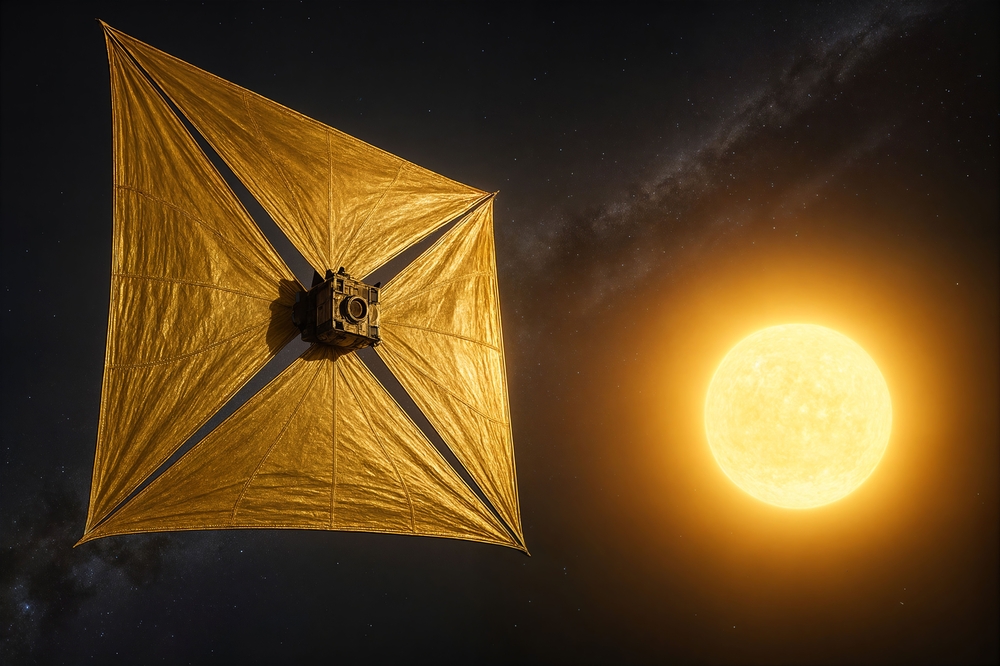
Solar sails and photon propulsion represent major advances in the field of space exploration. These technologies offer a new approach to deep space travel by harnessing the momentum of sunlight and powerful lasers. It promises to achieve incredible speeds without the limitations of traditional propellant systems. However, the path to realizing its full potential is […]
Harnessing algal biodiversity for IBD solutions

The Algae4IBD project is unlocking the potential of algae to develop sustainable bioactive ingredients for inflammatory bowel disease and pain. The EU-funded Algae4IBD project, coordinated by Dr. Dorit Avni from the MIGAL Galilee Institute, is pioneering the use of algal biodiversity and biotechnology to discover and develop sustainable bioactive ingredients for inflammatory bowel diseases. The […]
NanoIC Pilot Line: Accelerating chip innovation beyond 2nm

The NanoIC pilot line has the ambition to become the world’s professional R&D pilot line beyond semiconductor technology. It aims to strengthen Europe’s leadership in the global semiconductor ecosystem and support the vision of the European Chip Act to drive innovation in key markets such as computing, communications, mobility, energy and health. The NanoIC pilot […]
Measurement of PFAS in incineration exhaust gas
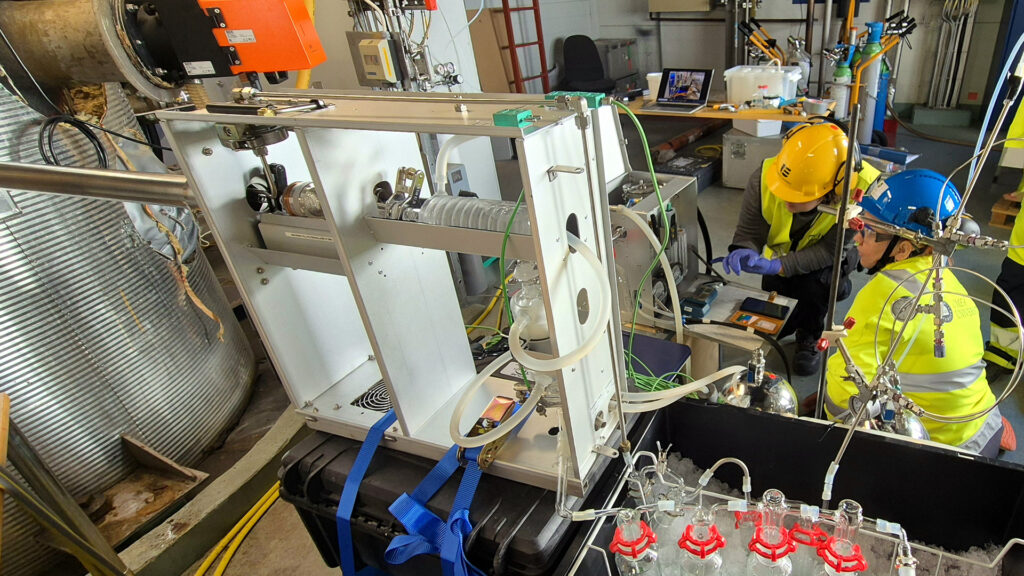
Advances in exhaust gas sampling have enabled comparative evaluation of PFAS detection and analysis methods. For decades, waste incineration has been considered a reliable way to deal with problematic materials, such as those containing per- and polyfluoroalkyl substances (PFAS). High-temperature combustion was expected to destroy these so-called “eternal chemicals.” But persistent questions remain. Are PFAS […]
Self-adaptive activation of self-resilient extension services

The NATWORK project is working to build and deploy the first economically realistic, energy-efficient, and viable 6G cybersecurity and resiliency framework. Adopting a holistic approach and considering all elements of the cross-sector business environment to address the diverse requirements and challenges that arise, NATWORK aims to establish and deploy an economically realistic, energy-efficient, and viable […]